| Rated Load Capacity |
High |
5–100 tonnes
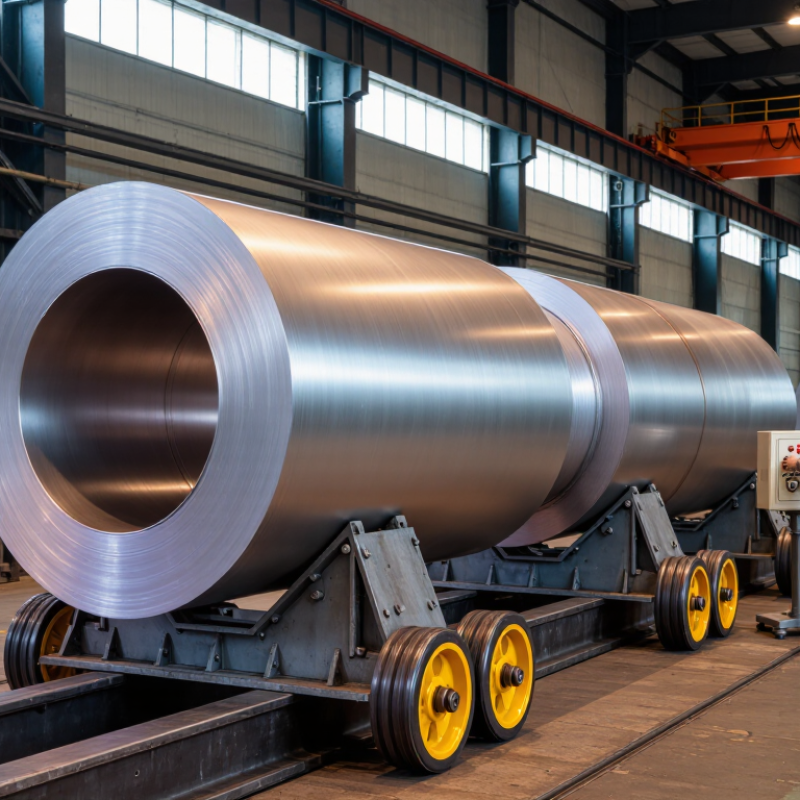
The selected capacity should normally include a safety margin of at least 20% above the heaviest regular workpiece.
|
Review the rated load, load distribution requirements, roller spacing, frame strength, and overload protection. Confirm whether the rating applies to the complete assembly or only one section.
|
Adequate capacity prevents frame deformation, unstable rotation, premature bearing wear, and unexpected stoppages during welding or assembly.
|
Critical |
| Workpiece Diameter Range |
High |
250–6,000 mm
The usable range depends on roller diameter, center distance, adjustment travel, and the geometry of the vessel or pipe.
|
Compare the minimum and maximum supported diameters with actual production drawings. Check whether the stated range applies to both self-aligning and conventional configurations.
|
A wider working range allows one machine to handle more vessel sizes and reduces setup time between jobs.
|
Critical |
| Rotation Speed |
High |
80–1,600 mm/min
Variable speed is generally preferred for different diameters, welding processes, and heat-input requirements.
|
Test the actual speed range under representative load conditions. Confirm smooth acceleration, low-speed stability, reversing capability, and speed-control accuracy.
|
Stable speed improves weld bead consistency, reduces operator correction, and helps control heat input on long circumferential seams.
|
Critical |
| Synchronization Accuracy |
High |
Typically within ±1–2%
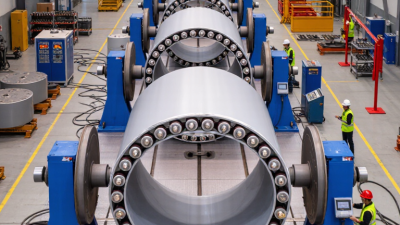
Multi-unit systems should maintain coordinated rotation without visible lag or irregular movement.
|
Run two or more units together with a loaded workpiece. Observe phase consistency, speed matching, stopping response, and behavior during forward/reverse operation.
|
Good synchronization limits workpiece skewing, roller slip, weld-joint movement, and uneven mechanical loading.
|
Critical |
| Self-Alignment and Anti-Slip Performance |
High |
Automatic alignment under normal load
Rollers should maintain stable contact without excessive lateral movement or frequent manual adjustment.
|
Test workpieces with different diameters and surface conditions. Check lateral displacement, roller contact, traction, and the response to eccentric loading.
|
Reliable alignment reduces setup work and lowers the risk of workpiece drift, surface damage, and unplanned interruptions.
|
Critical |
| Roller Material and Surface |
High |
Steel, polyurethane, or rubber-lined rollers
The surface should provide suitable traction while minimizing marking or deformation of the workpiece.
|
Check hardness, surface finish, concentricity, wear resistance, replaceability, and compatibility with painted, stainless-steel, or carbon-steel workpieces.
|
Correct roller material improves grip, protects the workpiece surface, and extends service life in repetitive production.
|
Critical |
| Drive System and Motor Control |
High |
AC motor with variable-frequency control
The drive should provide sufficient starting torque and stable low-speed operation under rated load.
|
Review motor power, gearbox ratio, braking method, thermal protection, overload response, control-panel functions, and emergency-stop performance.
|
A properly sized drive improves energy efficiency, starting reliability, control precision, and long-term operating stability.
|
Critical |
| Runout and Mechanical Balance |
High |
Low visible vibration and consistent rotation
Final acceptance should be based on measured runout and vibration under a representative load.
|
Inspect roller concentricity, shaft alignment, bearing condition, weld quality on the frame, and vibration at low and high operating speeds.
|
Low runout supports accurate welding, reduces fatigue on gears and bearings, and improves operator confidence.
|
Critical |
| Control and Operator Interface |
Medium |
Local pendant or remote control
Essential functions include start, stop, forward, reverse, speed adjustment, emergency stop, and status indication.
|
Check control visibility, button response, cable or wireless reliability, protection rating, language options, and ease of integration with welding equipment.
|
Intuitive controls reduce training time and help operators make precise adjustments without leaving the work area.
|
Important |
| Safety Protection |
High |
Emergency stop and overload protection
Equipment should include guarding where required, stable supports, electrical protection, and clearly marked operating controls.
|
Review risk assessment documents, emergency-stop response, electrical cabinet protection, grounding, pinch-point warnings, and compliance with applicable local regulations.
|
Effective safety systems protect personnel, reduce equipment damage, and support compliance with workplace safety requirements.
|
Critical |
| Frame Rigidity and Fabrication Quality |
High |
Rigid welded or machined steel structure
Load-bearing parts should be properly reinforced, aligned, and finished for long-term industrial use.
|
Inspect weld consistency, machining accuracy, base flatness, paint quality, anchor points, structural alignment, and the condition of exposed fasteners.
|
A rigid frame maintains alignment under load and reduces vibration, noise, and maintenance caused by structural movement.
|
Critical |
| Bearing and Gearbox Reliability |
High |
Industrial-duty bearings and enclosed gearbox
Components should be selected for the rated load, duty cycle, operating speed, and environmental conditions.
|
Review bearing type, lubrication method, gearbox service factor, sealing arrangement, spare-parts availability, and maintenance access.
|
Reliable transmission components reduce downtime, noise, heat generation, and the frequency of corrective maintenance.
|
Critical |
| Duty Cycle and Thermal Stability |
Medium |
Designed for repeated industrial operation
The required duty cycle should match actual welding duration, pauses, ambient temperature, and daily operating hours.
|
Conduct a continuous-load test and monitor motor, gearbox, bearing, and control-cabinet temperatures. Review rated duty-cycle information.
|
Adequate thermal capacity prevents overheating and maintains stable speed during long welding cycles.
|
Important |
| Maintenance Accessibility |
Medium |
Accessible lubrication and inspection points
Wear parts such as rollers, bearings, seals, and drive components should be serviceable without extensive disassembly.
|
Examine access covers, lubrication points, inspection procedures, replacement time for wear parts, and the clarity of maintenance documentation.
|
Easy maintenance lowers downtime, improves preventive-service compliance, and reduces total ownership cost.
|
Important |
| Power Supply Compatibility |
Medium |
Common industrial three-phase supply
Voltage and frequency must match the installation site, with suitable protection for voltage fluctuation and electrical noise.
|
Confirm rated voltage, frequency, current demand, grounding requirements, control-circuit voltage, plug standards, and compatibility with local electrical regulations.
|
Correct electrical matching avoids commissioning delays, nuisance trips, motor damage, and additional conversion equipment.
|
Important |
| Documentation and After-Sales Support |
Medium |
Manuals, wiring diagrams, test records, and spare-parts list
Support should cover installation, operation, maintenance, troubleshooting, and safety procedures.
|
Verify the completeness of technical documents, inspection records, response procedures, warranty terms, and availability of commonly replaced parts.
|
Good documentation shortens installation and troubleshooting time and improves equipment availability throughout its service life.
|
Important |
| Total Cost of Ownership |
High |
Purchase price plus operating and maintenance costs
Buyers normally compare capacity, reliability, energy consumption, consumables, service time, and expected service life.
|
Calculate cost per operating hour, expected roller and bearing replacement, energy use, downtime risk, installation requirements, and training costs.
|
A lower lifetime cost can provide better value than a lower initial price, especially in high-utilization welding production.
|
Critical |