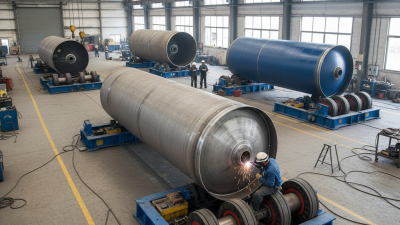
China Best Welding Rollers How to Choose the Right One?
Choosing the right welding rollers in China is not simply a price comparison. It is a decision about load, weld stability, operator safety, and long-term production costs. A vessel may look light before fabrication, yet its weight changes sharply after fixtures, end caps, and molten-metal work are added. That detail is easy to miss.
Dr. John C. Lippold, a respected welding metallurgy expert, has said, “Welding is not merely joining metals; it is controlling metallurgy and process conditions.” His observation also applies to welding rollers. Stable rotation supports consistent arc distance, better bead appearance, and fewer interruptions during fabrication. The wrong roller may slip, overload its gearbox, or create uneven rotation around the workpiece. Small problems become expensive defects.
This guide explains how to evaluate Chinese welding rollers with practical judgment. It considers pipe diameter, maximum load, surface condition, rotation speed, self-aligning structure, motor control, and available power. It also examines rubber wheel hardness, frame strength, emergency stopping, documentation, and after-sales support. Ask for load-test records, motor specifications, dimensional drawings, and clear warranty terms. Do not rely on photographs alone. A polished machine can still hide weak bearings or poor control logic.
There is no universal “best” model. A compact roller may suit thin pipes but fail under heavy vessels. A powerful unit may waste energy in a small workshop. My own selection experience suggests that overlooked details often decide reliability. Even this checklist has limits. Actual trials, verified data, and honest communication with the manufacturer remain essential.
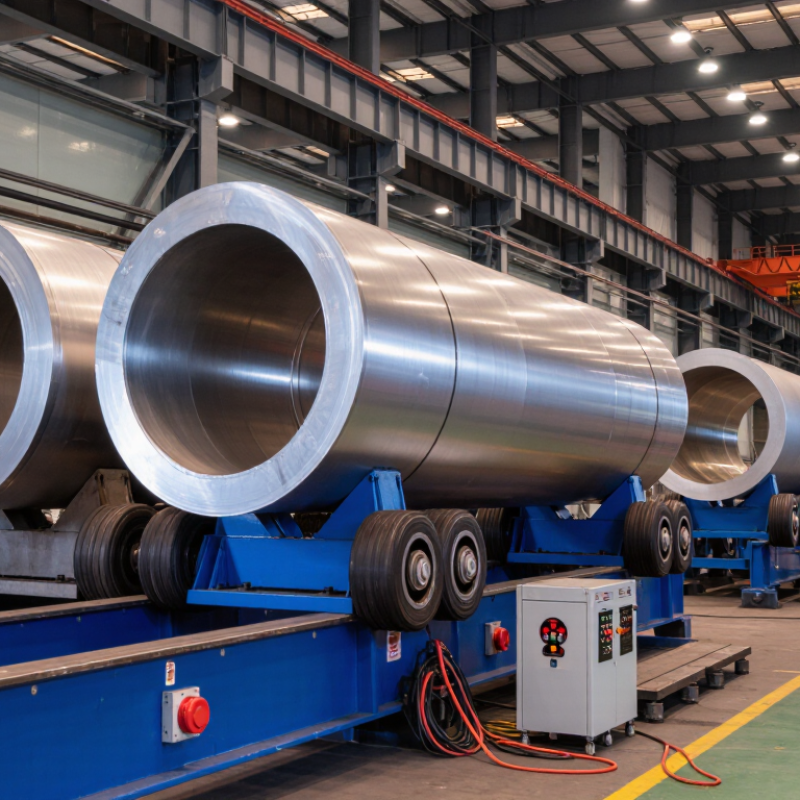
China Welding Rollers: Compare 1–500 t Capacity and 6–60 m/h Rotation Speed
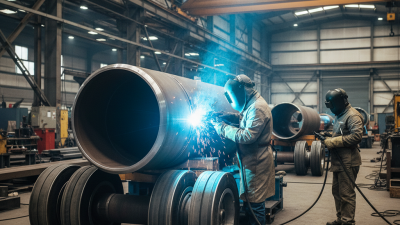
Choosing China welding rollers starts with the load, not the price. Available systems commonly cover 1 to 500 tonnes, but capacity must include the workpiece, fixtures, and uneven loading. A 20-tonne vessel may need higher rated rollers if its center of gravity shifts during rotation. I check shell diameter, surface condition, and support spacing before selecting a model.
Rotation speed is equally important. Standard ranges from 6 to 60 m/h suit many longitudinal and circumferential welds. Slow movement helps control heat input and torch positioning on thick steel. Higher speed can improve productivity on lighter shells, but only when welding parameters allow it. Variable-speed control is useful when operators adjust travel speed between root, fill, and cap passes.
Look closely at wheel material and contact pressure. Steel wheels carry heavy loads, while polyurethane wheels can reduce surface marking on finished shells. Self-aligning rollers follow diameter changes, yet they still need correct leveling. I have seen a small height error create visible shell drift. The first estimate is often wrong. Recheck the real load after fixtures are installed. Ask for motor torque, braking performance, control accuracy, emergency stopping, and test records. A reliable supplier should provide load calculations, dimensional drawings, operating instructions, and inspection evidence. Remote advice helps, but a practical trial with the actual workpiece reveals problems that a catalogue cannot.
Match Workpiece Diameter, Surface Load, and Self-Aligning Roller Design
Choosing the right welding roller starts with the workpiece diameter, not the roller’s appearance. A narrow vessel may need a different support range than a large pipe. Measure the smallest and largest diameters before comparing equipment.
Surface load matters just as much. Estimate the workpiece weight, then divide it across the contact points. Include temporary fixtures, weld attachments, and uneven loading. Rubber or steel wheels should match the surface condition and required grip. A polished shell can slip on a hard wheel, while a rough surface may wear soft material quickly.
Self-aligning roller design helps the vessel stay centered during rotation. It adjusts contact angles as the diameter changes, reducing manual repositioning. In practical use, this can improve welding consistency and reduce operator fatigue.
Still, alignment is not automatic perfection. I once selected a roller from the rated load alone and overlooked a short, heavy workpiece. The pressure became uneven. That choice needed review.
Tips: Check diameter at several points, not one. Confirm the total load rating with a safety margin. Watch the first rotation for slipping, vibration, or edge loading. Keep the roller surface clean. Small particles can change traction and damage the workpiece. Ask whether the self-aligning mechanism suits your actual diameter range, because “universal” is sometimes too optimistic.
Verify Welding Quality Systems Against ISO 3834 and ASME Section IX
China Best Welding Rollers: How to Choose the Right One?
Verify Welding Quality Systems Against ISO 3834 and ASME Section IX
Choosing welding rollers should begin with the quality system, not only load capacity or price. ISO 3834 requires controlled welding processes, qualified personnel, suitable equipment, and documented inspection records. ASME Section IX focuses on procedure and welder qualifications. The roller supports these controls, but it cannot replace them.
Check the roller’s rated load against the vessel’s actual weight, including temporary fixtures. Confirm stable rotation, speed control, alignment, and reliable stopping. Uneven movement can affect heat input, weld appearance, and operator control. Measure the workpiece diameter range carefully. Small errors here can create serious fitting problems.
Review calibration records for speed indicators and control devices. Keep maintenance logs, inspection reports, material certificates, WPS documents, PQR records, and welder qualifications together. I have seen projects pass visual inspection while missing traceability details. That weakness may surface during an audit. A checklist helps, but it is not perfect. Question unclear records. Ask who approved each revision and when.
Before production, run a practical test with a representative load. Observe slipping, vibration, noise, and emergency stopping. Record the results. In my experience, operators often notice problems before paperwork does. Their feedback matters. A technically compliant system can still be difficult to use. Reliable welding quality depends on equipment, procedures, people, and honest verification.
Check Safety and Controls Under ISO 12100 and IEC 60204-1
China Best Welding Rollers: How to Choose the Right One?
Choosing welding rollers requires more than checking load capacity and turning speed. Under ISO 12100, assess hazards before purchase or installation. Identify pinch points between rollers, unstable workpieces, unexpected rotation, and access during welding. Guards should block dangerous contact without creating new obstruction. The frame must remain stable on the workshop floor. A level indicator helps, but it cannot replace a proper load assessment. Small gaps can become serious risks.
IEC 60204-1 focuses on the machine’s electrical equipment and control functions. Check protective bonding, clearly marked wiring, isolation devices, and emergency-stop performance. Controls should prevent unintended startup after power recovery. Speed adjustment must remain predictable, especially when handling long or uneven cylinders. Test the stop function with a loaded workpiece, not only during an empty trial. A tidy panel may still hide poor labeling or weak connections. That deserves reflection.
Tips: Request the risk assessment, wiring diagrams, inspection records, and control descriptions. Confirm that operators can reach the emergency stop from normal working positions. Examine cables near moving parts for crushing or abrasion. Ask who will verify the system after installation. Do not rely on a certificate alone. Practical checks often reveal issues that documents miss.