7 Best Rotary Welding Positioners for Global Buyers
A rotary welding positioner can make circular welds easier to access, more consistent, and less tiring for the operator. For global buyers, choosing one involves more than comparing price or maximum load. The right machine must suit the workpiece, welding process, shop layout, and available power. A compact unit may fit a repair bench, while a heavier fabrication cell may need a larger faceplate, secure clamping, and controlled rotation under load.
Details matter. A positioner’s rated capacity, rotation speed, tilt range, control method, and mounting options should be checked against real jobs, not just catalog examples. Consider a thick steel ring that needs steady rotation, or a short production run with frequent changes in part size. In both cases, stable movement and practical setup can save time. Buyers should also verify voltage, documentation, spare-parts access, and service support for their location. These details vary by model and supplier, so confirm them before ordering.
This guide compares seven rotary welding positioner options for different applications and purchasing needs. It highlights useful features and trade-offs rather than treating one model as suitable for every workshop. Specifications alone do not tell the whole story; operator access and setup time matter, too. Some comparisons may still depend on the exact configuration offered. Use the shortlist as a starting point, then confirm current technical data with the manufacturer or authorized supplier.
What Rotary Welding Positioners Do and How They Work
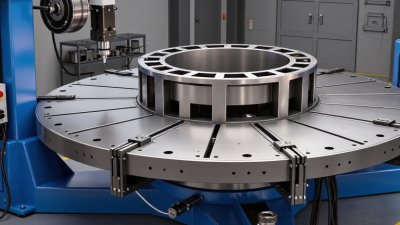
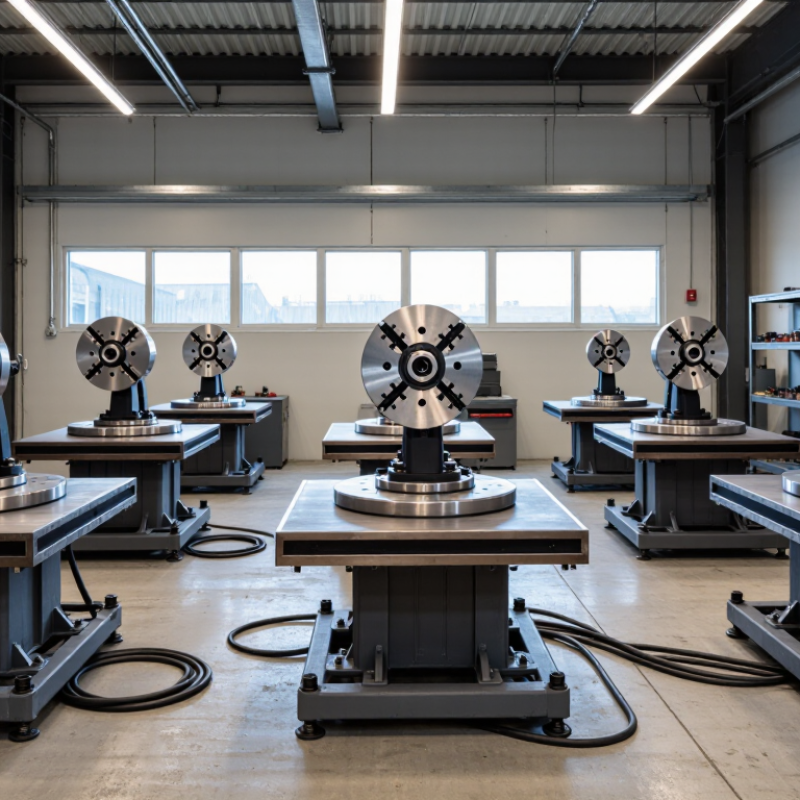
A rotary welding positioner holds a workpiece and turns it around a horizontal or vertical axis. Most units use a motor-driven table, chuck, or fixture, with controls for rotation speed and direction. Some models also tilt the table. The operator clamps the part, sets a safe speed, and rotates the joint into a comfortable welding position. This can help maintain a steady torch angle and reduce awkward reaching. The positioner does not weld by itself; the operator or a separate welding system still makes the weld.
Rotation is especially useful on cylindrical parts, such as pipes, tanks, and flanges. Instead of moving around a stationary joint, the welder can bring the seam past the torch at a controlled pace. The International Federation of Robotics’ World Robotics 2024 report counted 4,281,585 industrial robots operating worldwide in 2023, reflecting the scale of industrial automation. That figure is not specific to welding positioners, but it shows why repeatable workholding and motion matter in modern production. The fixture still matters. Poor clamping, an unbalanced load, or an unsuitable speed can cause vibration and inconsistent results.
Tips: Check the rated load and center of gravity before mounting a part. Keep cables clear of the rotating table, and test the rotation slowly before welding. A positioner can improve access, but it cannot correct a badly prepared joint.
Key Features to Compare When Choosing a Welding Positioner
When comparing rotary welding positioners, start with rated payload, including the fixture, clamps, and workpiece. A 500 kg part may need a higher-capacity table once its tooling is added. Check the center-of-gravity limit too; payload alone does not show whether a long, offset assembly will rotate safely. Confirm the tilt range, table diameter, rotation speed, and whether speed control stays steady during starts and stops. Smooth motion matters. It helps keep the weld pool consistent, especially on circular joints.
Electrical and control compatibility can decide whether a positioner fits a manual cell or an automated line. The International Federation of Robotics reported 541,302 industrial robot installations worldwide in 2023 in World Robotics 2024. That figure does not prove a positioner needs robot-ready controls, but it shows why buyers should check interfaces, repeatability, and integration options early. Ask for measured runout and repeatability values, not just “high precision.” Also inspect grounding, cable routing, emergency-stop access, and guarding around rotating parts. Small details.
For daily use, compare foot-pedal or pendant controls, setup time, maintenance access, and the availability of replacement parts. The American Welding Society has projected a need for 360,000 welding professionals by 2027; its workforce estimate underscores the value of equipment that supports consistent, teachable workflows. It is not a substitute for a production trial. Request a test with a representative fixture and workpiece, then observe loading, rotation, and weld access. One overlooked issue: a compact machine can still consume valuable floor space once operators need room to load parts and change fixtures.
Rotary Welding Positioners: Table-Edge Travel Speed
Compare how table diameter and rotation speed affect the linear speed at the table edge—useful when assessing a positioner’s rotation control for a welding task.
Illustrative calculations, not product specifications. Edge speed is calculated as π × table diameter × rotation speed; actual suitability depends on the workpiece, welding process, and positioner specifications.
Seven Rotary Welding Positioners for Global Buyers
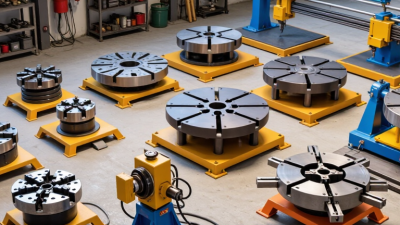
Rotary welding positioners vary widely in capacity, motion, and control. A compact tabletop model suits brackets and small assemblies, while a fixed-height turntable can handle repeatable production work. For angled joints, a tilting positioner lets operators bring the weld into a more accessible position. Small parts, steady rotation. Buyers should compare rated load with the workpiece’s center of gravity, not just its total weight.
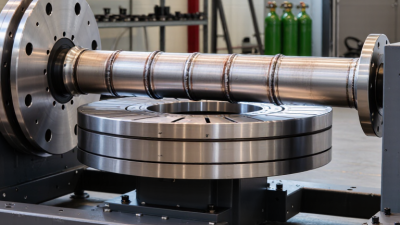
A headstock-tailstock positioner supports long components at both ends. Pipe-focused models can simplify circumferential welds, especially when alignment and rotation speed matter. Heavy-duty units serve large fabrications, but floor space and loading equipment become important. Programmable models offer stored rotation settings; portable versions trade some capacity for easier movement. Seven useful choices, different trade-offs. No single type fits every workshop.
Before purchasing, confirm table diameter, tilt range, rotation speed, control method, and duty cycle. Ask how the machine handles off-center loads and whether its electrical requirements suit the facility. Request test records and clear operating instructions from the supplier. A specification sheet can look convincing. Still, I would not choose by maximum capacity alone; real workpieces rarely sit perfectly centered, and that detail is easy to underestimate. Check service access, spare-part availability, and operator training options for the intended destination.
Comparing Load Capacity, Rotation, Controls, and Applications
Comparing seven rotary welding positioners starts with the real load, not the largest number on a spec sheet.
Include the workpiece, chuck, fixtures, and any offset from the rotation axis. A long pipe can strain a unit even when its weight appears modest. Check the rated load at the intended center of gravity, then confirm the manufacturer’s duty cycle and allowable torque.
Rotation range and speed affect how consistently operators can reach a seam. Variable-speed control helps when welding small fittings or large cylindrical parts. Controls matter, too: a foot pedal can support hands-on adjustments, while a pendant can make setup easier. Keep it simple. For repeat work, check whether the control offers predictable starts, stops, and speed changes. Small differences can matter at the weld.
The International Federation of Robotics reported
541,302 industrial robot installations worldwide in 2023,
with a global operational stock of about
4.28 million units
in its World Robotics 2024 report. These figures describe industrial robots broadly, not welding positioners, but they signal growing automation across manufacturing. For buyers comparing models, applications should guide the choice: circumferential pipe welds, tank seams, and compact assemblies place different demands on capacity and rotation. One point is easy to miss: a positioner may be technically adequate yet awkward beside the actual welding station. Check the footprint and cable access in the shop. I would verify both before ordering.
How to Match a Positioner to Your Production Requirements
Choosing a rotary welding positioner starts with the workpiece, not the catalogue.
Record the part’s weight, dimensions, and likely centre of gravity, including clamps and fixtures. A long frame can load a table unevenly, even when its total weight appears within the rated capacity. Check the manufacturer’s load and torque limits for the actual setup.
Ratings alone can mislead.
Match rotation speed and tilt range to the welds your operators need to reach. Slow, steady rotation may help with consistent circumferential welds; a compact component may need less travel but more precise control. Consider duty cycle, table diameter, floor space, and how parts are loaded.
Measure the doorway, too.
It is easy to forget.
Control options should fit the process: foot pedals can leave an operator’s hands free, while programmable settings may support repeatable jobs. Confirm the positioner works with your power supply and welding equipment, and ask how maintenance and service are handled. If production varies, compare more than one common job. A test with a representative fixture can reveal awkward access or imbalance that a spreadsheet misses.
The first estimate may be wrong; revise it before purchase.