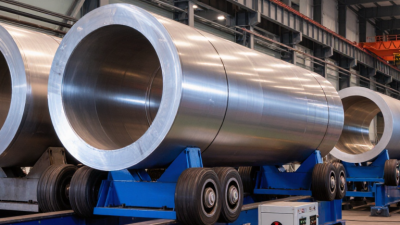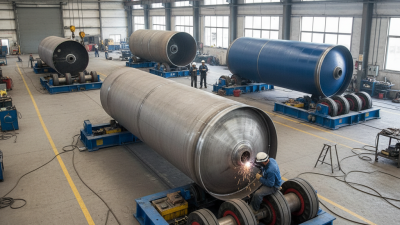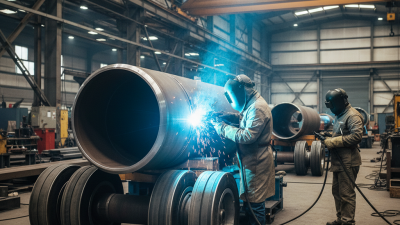
Choosing the right welding rollers can make a fabrication job steadier, safer, and easier to control. A vessel that turns smoothly lets welders maintain a consistent working position and reach the joint without repeatedly shifting heavy workpieces. But the right setup depends on more than the vessel’s weight.
Start with the workpiece. Its diameter, length, shape, and loaded weight all affect roller selection. A narrow tank may need a different roller spacing than a long pipe spool, even when both weigh the same. Consider the required rotation speed, too. Slow, controlled movement is useful for many welds, while variable speed can offer flexibility across different jobs. Small details matter. Surface condition matters as well: delicate coatings or finished shells may need wheels that reduce marking.
Capacity ratings are a useful starting point, not the whole answer. Check the manufacturer’s load information, including how the weight is distributed across the rollers, and confirm that the unit suits your shop’s power and floor conditions. Fit and alignment deserve attention. Poorly aligned rollers can cause tracking problems, uneven rotation, or extra adjustment during setup. A sizing chart may point you in the right direction, but real workpieces are not always perfectly round. That is worth admitting. Before choosing, compare the equipment’s specifications with your actual work, expected production, and maintenance needs. This guide explains the main factors to weigh when selecting welding rollers, so you can make a practical choice rather than relying on capacity alone.

Welding rollers support rotational welding by turning cylindrical workpieces at a controlled pace while the welder keeps a steady position. A typical set uses powered drive rollers and adjustable idler rollers. The drive unit supplies rotation; the idlers carry and guide the load. This arrangement can reduce repeated repositioning and help maintain a more consistent weld path. It is especially useful on tanks, pipes, and other round sections. Smooth rotation matters. Jerky movement can affect bead consistency and make torch control harder.
Choose rollers by checking the workpiece’s weight, diameter, and surface condition. Capacity should cover the full load, including any contents or attachments. Roller spacing must suit the diameter, or the workpiece may rock or drift. Match rotation speed to the welding process, and confirm that the controls allow fine adjustment. In practical setups, small alignment errors are easy to miss until the workpiece starts turning. Check that it tracks centrally, then adjust before welding. A perfectly smooth surface is not always realistic; inspect for dents, scale, or debris that could interrupt rotation.
Tips: Clean contact surfaces, secure the workpiece, and test rotation at low speed before striking an arc. Stop if tracking shifts or vibration appears. Recheck alignment after adjustments.
Use this guide to compare common welding-roller configurations. Load bands and operating details are indicative only; confirm the required capacity using the workpiece weight, diameter, center of gravity, support spacing, and the equipment manufacturer’s specifications.
| Roller Configuration | Indicative Workpiece Load | Workpiece Diameter | Rotation and Control | Suitable Applications | Key Selection Considerations |
|---|---|---|---|---|---|
| Conventional powered and idler set | Commonly available in capacity classes from around 1 tonne to 100 tonnes or more per set; capacity varies by design. | Best suited to cylindrical workpieces that remain stable on the rollers; check the specified minimum and maximum diameter. | One powered section turns the workpiece while an idler section supports it. Variable-speed control is commonly used for controlled rotation. | Pressure vessels, tanks, pipes, and other cylindrical fabrications with predictable dimensions. | Match the rated load to the complete workpiece weight and verify that the roller spacing provides stable support. |
| Self-aligning rotator | Available across a wide range of load classes, from smaller fabrications to very heavy vessels. | Useful when the diameter varies between jobs, within the equipment’s rated diameter range. | Roller assemblies adjust to accommodate changes in workpiece diameter; powered rotation is typically variable-speed. | Fabrication shops handling multiple vessel diameters or production runs with changing workpiece sizes. | Check the diameter range, load rating at the intended diameter, and the workpiece’s balance and roundness. |
| Adjustable conventional rotator | Selected by rated load; units are available for light, medium, and heavy workpieces. | Accommodates different diameters by manually or mechanically changing the spacing between roller sections. | Powered and idler sections are positioned to suit the workpiece before rotation. | Shops processing a limited set of repeat workpiece sizes. | Allow for setup time and confirm that the adjustment range keeps the workpiece stable during rotation. |
| Fit-up rotator | Choose a rating appropriate to the assembly weight and the loads created during fit-up. | Depends on the model and the geometry of the sections being joined. | Designed to help position and rotate sections for alignment and circumferential welding; controls may allow precise low-speed movement. | Joining pipe sections, shells, or vessel components before or during welding. | Check alignment requirements, allowable setup loads, clamping needs, and compatibility with the workpiece geometry. |
| Rollers with steel wheels | Capacity depends on the frame, wheel design, and contact conditions. | Suitable when the workpiece material and surface can tolerate steel-to-steel contact. | Provides a durable contact surface for rotating compatible workpieces. | Robust carbon-steel fabrications where surface marking is not a concern. | Assess surface condition, traction, contact pressure, and the possibility of marking or damaging the workpiece. |
| Rollers with polyurethane wheels | Confirm the wheel material’s load and temperature limits; these may differ from steel-wheel ratings. | Use within the specified diameter range and contact-pressure limits. | Polyurethane contact surfaces can provide traction and help reduce marking on suitable workpieces. | Workpieces requiring a less aggressive contact surface, when material and process conditions permit. | Consider heat, sparks, weld spatter, wheel wear, and compatibility with the workpiece surface. |
| Any powered roller system | Base the rating on the heaviest complete assembly, including attachments and temporary fixtures. | Verify the stated operating range and the effect of diameter on stability and drive performance. | Choose a controllable speed appropriate to the welding process; ensure the control system supports safe starts, stops, and direction changes. | Applications where consistent rotation helps maintain access and welding position around a cylindrical joint. | Also assess power supply, remote-control needs, emergency stopping, floor conditions, and safe operator access. |