Essential Tips for Choosing Welding Rollers?
Choosing the right welding rollers is crucial for efficient welding processes. According to a report by the American Welding Society, improper selection can lead to increased operational costs and decreased productivity. Welding rollers facilitate the movement of heavy materials, and their design impacts the effectiveness of welding operations.
Expert Mark Johnson, a prominent figure in the welding industry, states, "Selecting the right type of welding rollers can significantly enhance weld quality." This highlights the importance of knowledgeable decisions in roller selection.
Various factors influence the choice of welding rollers, including load capacity and material compatibility. A mismatch can affect not only performance but also safety during the welding process. This is often overlooked, leading to potential hazards in the workplace. Small details matter—incorrect roller height can lead to significant alignment issues.
Understanding the Purpose and Importance of Welding Rollers
Welding rollers play a crucial role in the fabrication process. Their primary function is to support, align, and rotate cylindrical workpieces during welding. This ensures uniform welds and reduces the likelihood of defects. According to industry reports, using welding rollers can enhance productivity by up to 30% during large-scale projects. This efficiency is essential in keeping project timelines on track.
In addition to improving efficiency, welding rollers help maintain safety in the workplace. Proper alignment prevents accidents and injuries that can occur from misaligned workpieces. An estimated 15% of industrial accidents are linked to equipment mismanagement. Therefore, investing in high-quality rollers can significantly lower risk factors. However, choosing the right roller can be challenging. It requires careful consideration of factors such as load capacity, material type, and environment.
The selection process is often complex. Many options exist, with varying specifications. It is crucial to assess the specific needs of a project to avoid costly mistakes. Understanding these variables will guide decisions and enhance operational reliability. Using precise measurements and adhering to professional standards can mitigate potential issues that arise from improper roller selection.
Essential Tips for Choosing Welding Rollers
| Criteria |
Description |
Importance |
| Capacity |
Ensure the rollers can support the weight of the workpiece. |
Critical for safety and functionality. |
| Material |
Choose rollers made from durable materials to withstand wear and tear. |
Affects longevity and performance. |
| Adjustability |
Look for rollers that can be adjusted for different sizes of workpieces. |
Enhances versatility in operations. |
| Wheel Diameter |
Consider the wheel diameter for stability during welding. |
Influences overall stability and ease of movement. |
| Surface Treatment |
Opt for rollers with protective coatings to resist corrosion. |
Essential for maintaining equipment integrity. |
| Price |
Balance between cost and quality to ensure value for money. |
Affects budget and returns on investment. |
Key Factors to Consider When Selecting Welding Rollers
When selecting welding rollers, several key factors must guide your decision. Understanding the specific requirements of your project is crucial. Consider the weight and size of the materials you will work with. The rollers need to support the load without bending or breaking. Stability is essential during the welding process, ensuring a smooth operation.
Material quality plays a vital role in your choice. Look for durable, corrosion-resistant materials. This helps maintain the integrity of your rollers over time. The surface texture can impact grip and stability as well. A non-slip surface may enhance performance during welding.
Another aspect to focus on is the roller's design. Different configurations serve various welding methods. Some models offer adjustment features for versatility. Evaluate whether you need fixed or adjustable rollers based on your application. Reflect on how these options will fit your workflow. Balancing all these factors will lead you to the most suitable welding rollers for your needs.
Types of Welding Rollers and Their Suitable Applications
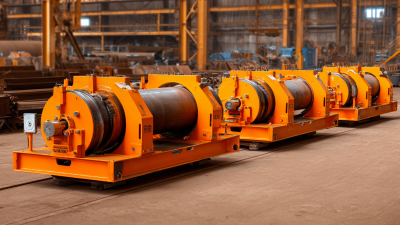
Welding rollers are crucial in various applications, from manufacturing to fabrication. Understanding the types available helps in making the right choice. Common types include fixed, adjustable, and powered rollers. Fixed rollers are best for simple projects, while adjustable ones offer more versatility. Powered rollers allow for enhanced control and efficiency but may require more maintenance.
It’s important to assess the load capacity needed for your specific task. For lighter materials, fixed rollers work well, but heavier projects may need powered options. Always check the weight ratings and stability of the rollers. The material of the rollers also influences performance. Steel rollers are durable but can be heavier. Consider aluminum for lighter applications.
Recognizing your project requirements can be challenging. Sometimes, what seems optimal may not fit all scenarios. Assessing workspace limitations is equally vital. Think about how much room you have to maneuver. Don't overlook safety features, as they can impact your workflow. Engaging in discussions with experienced professionals can provide insights into best practices and potential pitfalls to avoid.
Assessing Load Capacity and Size Compatibility for Welding Rollers
Selecting the right welding rollers involves careful consideration of load capacity and size compatibility. Load capacity is essential for ensuring the rollers can safely hold the welded materials. Each welding project may involve different weights and dimensions of workpieces. Assessing the specific weight of your materials helps avoid overloading the rollers. Overloading can cause failures, leading to potential safety hazards and equipment damage.
Size compatibility is another critical factor. Welding rollers must fit the workpiece snugly to allow for proper rotation and stability. Improperly sized rollers can lead to misalignment, affecting the quality of the weld. It's important to measure the diameter of your materials accurately. If the rollers are too large or too small, adjustments might be necessary. Sometimes, this can mean opting for adjustable roller systems, which allow for flexibility in size. This choice, while practical, can lead to reflection on the trade-offs between complexity and efficiency.
A common pitfall is neglecting the working environment. If the rollers are used in a dusty or wet area, their longevity may decrease. Choosing rollers designed for specific conditions can mitigate these issues. Regular maintenance checks will help identify wear and tear. Failure to do this can result in significant downtime. Understanding these factors can lead to smarter decisions that enhance productivity and safety in the welding process.
Essential Tips for Choosing Welding Rollers
This chart illustrates the load capacity and size compatibility of different types of welding rollers commonly used in various applications. It highlights the importance of selecting the right roller based on maximum load and diameter compatibility.
Maintenance Tips for Extending the Lifespan of Welding Rollers
When working with welding rollers, regular maintenance is crucial for extending their lifespan. One key practice is to execute routine inspections. Regular checks can help identify wear and tear early. Look for signs of rust or corrosion. Addressing these issues promptly can prevent bigger problems down the line.
Lubrication is another vital aspect. Keeping the rollers well-lubricated reduces friction. This action can greatly enhance their performance. Use appropriate lubricants and apply them according to manufacturer recommendations. Remember, too much lubricant can also attract dirt, leading to complications.
Additionally, store the welding rollers in a clean, dry environment. Exposure to moisture can cause rust and degradation. If possible, keep them covered when not in use. This simple step can preserve their condition. Lastly, always follow safety guidelines when using and maintaining the rollers. A safe work environment promotes better longevity.