How to Choose the Best Robotic Welding Cell for Your Needs?
Choosing the right robotic welding cell can significantly impact manufacturing efficiency and product quality. With the increasing complexity of welding tasks, the right technology is crucial. Brian Thompson, a renowned expert in automation, once stated, “The right robotic welding cell can transform production lines and reduce errors.”
As industries evolve, manufacturers must consider various factors before making a decision. They should assess workload requirements, space constraints, and compatibility with existing systems. These details are essential for optimizing operations. Careful consideration can lead to substantial long-term benefits.
However, choosing a robotic welding cell is not without its challenges. Potential buyers often feel overwhelmed by the variety of options. The need for training and maintenance can also weigh heavily on smaller companies. A focus on these factors can guide businesses in making well-informed decisions.
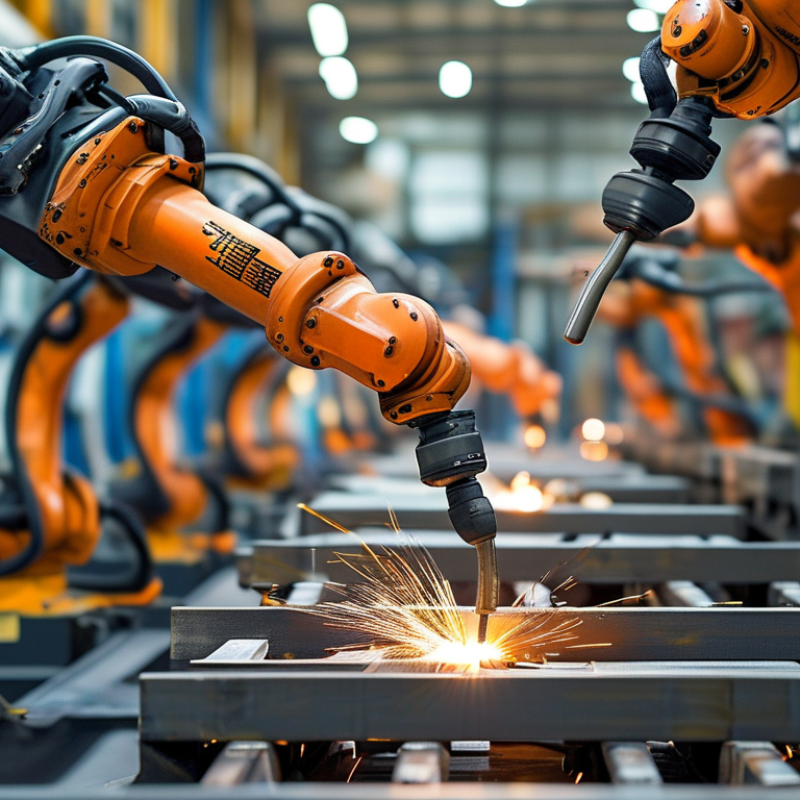
Understanding Your Welding Requirements: Key Considerations
When selecting a robotic welding cell, understanding your specific welding requirements is crucial. Consider the materials you will be working with. Different materials require unique welding techniques. Steel, aluminum, and stainless steel each have different properties. You might find that a cell suited for one material isn't optimal for another.
Additionally, think about the complexity of the components you will weld. Are they simple joints or intricate assemblies? More complex geometries often demand advanced capabilities in your welding cell. Also, reflect on the production volume. High volume might necessitate a more automated solution, while low volume could mean simpler equipment is sufficient.
Don’t overlook the workspace layout and the size of the parts. Ensure the robotic cell fits within your existing facility. You must also account for maintenance needs. Regular upkeep is essential for efficiency. Inadequate attention to maintenance can lead to downtime and affect overall productivity. Identifying these factors will help in making a more informed choice suitable for your welding needs.
Evaluating the Different Types of Robotic Welding Cells Available
When evaluating robotic welding cells, understanding the different types is crucial. The market features several options, including compact cells, gantry systems, and collaborative robots.
Compact cells are ideal for small spaces and offer flexibility. According to industry reports, these cells can reduce production time by up to 30%.
Gantry systems are better for larger projects, handling heavier components with precision.
Collaborative robots have gained traction in various sectors. They allow human workers and robots to work side by side safely. This co-working approach can enhance productivity. A recent study indicated that collaborative systems can boost overall efficiency by 25%. However, these cells may require more intensive training for operators to maximize their potential.
Choosing the right cell involves more than comparing features. Each type has strengths and weaknesses. For example, while compact cells save space, they may not handle large jobs effectively. Proper evaluation demands an understanding of specific needs. Engaging with robotic welding specialists can provide invaluable insights. They can help identify the system that aligns best with production requirements and budget constraints.
Assessing Compatibility with Existing Equipment and Workflows
When considering a robotic welding cell, compatibility with existing equipment is crucial. Many manufacturers overlook this aspect and later face integration challenges. A recent report from the International Federation of Robotics states that over 20% of welding systems fail due to compatibility issues. This number highlights the importance of assessing your current workflow and machinery before investing.
Understanding your existing setup can help to avoid costly changes. For instance, ensure the welding robots can work seamlessly with your current power supplies and data systems. Integration involves not only mechanical fit but also software compatibility. If your current systems are outdated, you may experience downtimes that affect productivity. According to industry studies, nearly 30% of companies report production delays due to poor integration of new technology.
Evaluate how the new robotic cell will interact with your workflows. Proper alignment can streamline operations and improve throughput. Without careful planning, you may find that your team is unprepared to utilize the new technology effectively. Inadequate training or adjustment time can lead to inefficiencies, negating the anticipated benefits of automation.
Analyzing Budget Constraints and Cost-Effectiveness
When analyzing budget constraints for robotic welding cells, consider the total cost of ownership. It's crucial to remember that the initial purchase price is just one part of the equation. Additional factors include installation, maintenance, and potential downtime costs. An inexpensive option may lead to higher long-term expenses.
Evaluate the return on investment (ROI) carefully. A higher upfront cost might yield better performance and reliability over time. Look for features that improve efficiency, such as advanced programming and adaptability to various tasks. Sometimes, an underperforming model does not justify its low price, prompting a costly reconsideration later.
Don't forget the training needs of your staff. Incorporating a robotic system requires skilled operators, which could add to your budget. Consider the learning curve and any potential interruptions in productivity during training. This holistic assessment will help ensure that your choice aligns with both your immediate and future needs.
How to Choose the Best Robotic Welding Cell for Your Needs? - Analyzing Budget Constraints and Cost-Effectiveness
| Parameter |
Description |
Estimated Cost ($) |
Maintenance Cost ($/year) |
ROI (%) |
| Cell Size |
Size of the welding area |
15,000 |
1,000 |
20 |
| Automation Level |
Degree of automation in operations |
25,000 |
1,500 |
25 |
| Material Compatibility |
Types of materials the cell can weld |
20,000 |
1,200 |
22 |
| Power Consumption |
Energy efficiency measures |
18,000 |
800 |
18 |
| Training Requirements |
Staff training costs and time |
10,000 |
500 |
15 |
Reviewing Maintenance and Support Services for Robotic Systems
When evaluating robotic welding cells, maintenance and support services are crucial. Reliable support can enhance productivity and reduce downtime. Look for providers that offer comprehensive training for staff. Skilled operators can troubleshoot minor issues promptly. This can prevent costly interruptions in production.
Another aspect to consider is the availability of spare parts. Suppliers should have an efficient logistics system. Quick access to parts ensures that your operations run smoothly. Additionally, ongoing maintenance monitoring can identify potential problems before they escalate. Regular check-ups can save both time and money in the long run.
It's also beneficial to assess customer feedback regarding support services. Real-world experiences give insight into how responsive and effective a supplier is. However, not all experiences will be perfect. Some customers may face delays or lack of communication. Reflecting on these points can aid in making an informed decision.
Robot Welding Cell Maintenance Costs
This bar chart illustrates the estimated maintenance costs associated with robotic welding cells based on different maintenance frequencies. Understanding these costs can help in budgeting and deciding on the best support services for your robotic systems.