What Is a Stainless Steel Fabricator?

A stainless steel fabricator turns flat sheets, tubes, and structural sections into useful, durable products. These professionals may build kitchen benches, pressure vessels, handrails, tanks, or custom machine frames. Their work combines material knowledge, accurate measurement, cutting, forming, and welding. It also requires careful surface finishing. A small scratch can matter in a food-processing room. A slight misalignment can delay equipment installation. This trade is practical, technical, and surprisingly detail-focused.

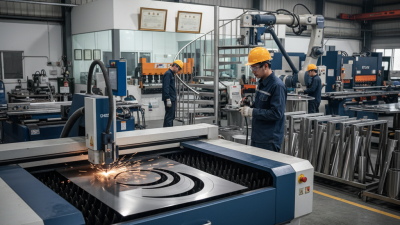
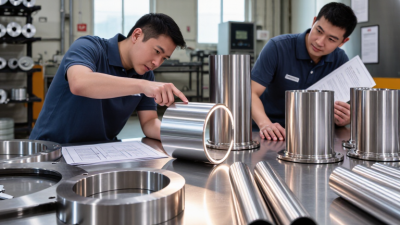
Experienced stainless steel fabricators read engineering drawings before touching the material. They check grades, thicknesses, weld symbols, dimensions, and surface requirements. They may use laser cutters, press brakes, orbital welders, grinders, and polishing equipment. Each tool leaves evidence of its use. Heat discoloration, uneven seams, or distorted panels can reveal weak control. Reliable fabricators inspect these details instead of hiding them. They compare completed work with drawings and agreed specifications. Clear records, photographs, and inspection notes strengthen customer confidence.

The best teams also understand the environment where each product will operate. Coastal exposure, cleaning chemicals, heat, vibration, and frequent washing can change the design decision. Material selection is not a simple preference. It should match performance needs, maintenance routines, and budget. Even experienced fabricators can face uncertain drawings or unexpected site conditions. That reality deserves honest discussion. A strong fabricator asks precise questions, explains limitations, and suggests workable adjustments. This article explores their responsibilities, tools, processes, and value. It also considers what separates careful craftsmanship from work that merely looks finished.
What Is a Stainless Steel Fabricator?

What Is a Stainless Steel Fabricator?

What Is a Stainless Steel Fabricator?

A stainless steel fabricator turns engineering drawings into usable metal components. The work includes measuring, cutting, bending, welding, polishing, and inspecting stainless steel. It may involve a handrail, food-processing frame, pressure vessel, or architectural panel. The fabricator must understand tolerances, weld sequencing, surface finishes, and material traceability.

Industry data shows why this skill matters. The International Stainless Steel Forum reported 58.4 million tonnes of global stainless crude steel production in 2023. The World Steel Association recorded about 1.89 billion tonnes of total crude steel production that year. Fabricators work inside this huge supply chain, but their decisions control the final product’s reliability. A small heat mark can damage a visible surface. Poor cleaning can also leave contamination that later causes corrosion.

Good fabricators select grades carefully, often comparing 304 and 316 stainless steel against moisture, chemicals, temperature, and service conditions. They use documented procedures, calibrated tools, welding qualifications, and inspection records. Standards such as ISO 3834 can support consistent welding quality, although certification alone does not guarantee good workmanship. That point deserves attention.

In practice, the best result is not always the brightest polish. A brushed finish may hide handling marks better and reduce maintenance. A fabricator should question unclear drawings before cutting expensive material. Mistakes still happen, especially when site measurements are rushed. Careful review remains cheaper than rework.

What Is a Stainless Steel Fabricator?

Dimension Factual Description Practical Importance
Definition A stainless steel fabricator is a specialist who cuts, forms, joins, finishes, and assembles stainless steel components into finished products or structures. The fabricator converts engineering drawings, measurements, or design requirements into usable metalwork.
Common Materials Frequently used stainless steel grades include 304 for general corrosion resistance and 316 where greater resistance to chlorides and marine exposure is required. Material selection affects corrosion resistance, strength, formability, appearance, and project cost.
Material Forms Fabricators commonly work with sheet, plate, tube, pipe, bar, angle, and other structural or decorative sections. The form and thickness of the material determine the suitable cutting, bending, welding, and handling methods.
Design and Planning Work may begin with technical drawings, computer-aided design files, site measurements, bills of materials, or customer specifications. Accurate planning helps control dimensions, material usage, tolerances, joining details, and installation requirements.
Cutting Processes Typical methods include sawing, shearing, laser cutting, plasma cutting, waterjet cutting, and abrasive cutting, depending on the material and design. The process influences edge quality, heat-affected areas, dimensional accuracy, and finishing work.
Forming and Shaping Bending, rolling, pressing, punching, and drawing are used to create curves, angles, holes, seams, and three-dimensional shapes. Stainless steel work-hardens during forming, so appropriate tooling, bend allowances, and process control are important.
Joining Methods Welding is common, especially gas tungsten arc welding and gas metal arc welding. Mechanical fastening, brazing, and other joining methods may also be used. The joining method affects strength, appearance, distortion, cleanability, and resistance to corrosion at the joint.
Surface Finishing Finishing can include deburring, grinding, brushing, polishing, passivation, and removal of heat tint or surface contamination. A suitable finish improves appearance, cleanability, handling safety, and the surface’s ability to resist corrosion.
Quality Control Inspection may cover material certificates, dimensions, weld appearance, surface condition, flatness, fit-up, and functional performance. Inspection confirms that the fabricated item meets the agreed drawings, specifications, tolerances, and safety requirements.
Typical Applications Applications include food-processing equipment, commercial kitchens, architectural features, handrails, tanks, enclosures, laboratory equipment, and industrial components. Stainless steel is selected where durability, hygiene, corrosion resistance, or a clean architectural appearance is needed.
Fabricator vs. Manufacturer A fabricator usually produces customized or project-specific metalwork, while a manufacturer may produce standardized products in repeated quantities. The distinction helps clarify whether a project needs custom fabrication, repeat production, or both.
Key Skills Important skills include blueprint reading, measurement, material identification, welding, forming, machining, finishing, inspection, and safe workshop practice. Combining technical knowledge with practical craftsmanship helps produce accurate, durable, and visually consistent stainless steel work.

What Services Does a Stainless Steel Fabricator Provide?

What Is a Stainless Steel Fabricator?

A stainless steel fabricator turns engineering drawings into durable, finished components. Services commonly include material selection, laser cutting, sawing, bending, rolling, welding, and surface finishing. Experienced fabricators also check grain direction, weld distortion, and dimensional tolerances before production begins. Small errors can become expensive during installation.

The International Stainless Steel Forum reported 58.4 million tonnes of global crude stainless steel production in 2023. That scale reflects demand across construction, food processing, transport, energy, and medical facilities. A qualified fabricator supports these sectors by matching grades to operating conditions. For example, austenitic grades often suit hygienic equipment, while molybdenum-bearing grades provide stronger resistance to chloride exposure. The decision should follow the environment, not appearance alone.

Detailed services may include CNC forming, TIG or orbital welding, pickling, passivation, electropolishing, and non-destructive inspection. Fabricators can also provide shop drawings, weld procedure records, material certificates, and final inspection reports. The OECD Steel Outlook 2024 continues to identify construction and machinery as important steel-consuming sectors, increasing the need for traceable production. Clean handling matters. Carbon-steel dust can leave embedded particles and later create surface corrosion. Still, fabrication is not always perfect. Even a careful workshop may overlook a tight corner or an unsuitable finish specification. Independent inspection and clear communication can expose those weaknesses before delivery.

How Does Stainless Steel Fabrication Work?

What Is a Stainless Steel Fabricator?

How Does Stainless Steel Fabrication Work?

Stainless steel fabrication turns flat sheet, tube, or plate into a measured working component. The process starts with drawings, site dimensions, and the required steel grade. A fabricator checks thickness, grain direction, tolerances, and exposure to heat or moisture. This planning stage prevents expensive rework, although drawings are not always clear enough. Experienced teams verify uncertain details before cutting.

Cutting may use saws, shears, lasers, or water jets, depending on thickness and edge requirements. Operators mark each piece carefully. Press brakes form clean bends, while rollers create cylinders or curved panels. Holes, slots, and openings are measured against the drawing, not guessed by appearance. Small errors multiply. They can misalign an entire frame.

After fitting, stainless components are welded, bolted, or mechanically joined. Welding requires controlled heat because excess heat can cause distortion or discoloration. Clean tools matter; carbon-steel dust can contaminate the surface and create rust staining. The finished assembly is inspected for dimensions, weld quality, sharp edges, and surface condition. Technicians may pickle, passivate, brush, or polish the metal, depending on its use. Inspection is rarely perfect. A practical fabricator rechecks critical joints, records measurements, and corrects problems before delivery.

What Skills and Equipment Do Fabricators Use?

What Is a Stainless Steel Fabricator?

What Skills and Equipment Do Fabricators Use?

A stainless steel fabricator turns drawings, sheets, tubes, and fittings into accurate components. The work demands more than welding. Fabricators read technical drawings, calculate bend allowances, control heat, and protect surfaces from contamination. They also check dimensions with calipers, micrometers, and weld gauges. The International Stainless Steel Forum reported 58.4 million tonnes of stainless steel production in 2023. That volume reflects a demanding industry, where small fabrication errors can become expensive material waste.

Common equipment includes TIG and MIG welders, press brakes, band saws, shears, drilling machines, and cutting systems. Skilled operators select tools according to thickness, joint design, and required finish. TIG welding often suits visible seams because it offers precise heat control. Press brakes create repeatable bends, but incorrect setup can leave springback or distorted edges. The U.S. Bureau of Labor Statistics projects about 42,600 annual openings for welders, cutters, solderers, and brazers from 2023 to 2033. Still, technical ability alone is not enough. A bright weld may hide weak penetration. That lesson deserves more attention.

Tips: Keep stainless steel tools separate from carbon-steel tools. Even a small iron particle can cause surface rust later. Clean the work area, verify measurements twice, and record heat settings. Fabricators should also inspect weld color, alignment, and finish under strong lighting. Mistakes happen. Careful review reduces repeated mistakes.

Where Are Stainless Steel Fabrication Services Used?

What Is a Stainless Steel Fabricator?

A stainless steel fabricator cuts, bends, welds, and finishes steel for specific applications. Fabrication services are used where strength, cleanliness, and corrosion resistance matter. Skilled fabricators read drawings, check measurements, and select suitable steel grades for each environment. They may produce counters, tanks, railings, frames, ducts, and custom machine parts.

In commercial kitchens, fabricated stainless steel appears as worktables, sinks, splashbacks, shelves, and extraction equipment. Smooth welds reduce areas where food residue can collect. Food-processing facilities use sealed vessels, conveyors, platforms, and hygienic guarding. Hospitals and laboratories often require cabinets, instrument tables, wall panels, and sterile-looking surfaces. These components must withstand frequent cleaning without creating hidden gaps.

Architectural projects use stainless steel for entrances, handrails, façades, and decorative screens. Water-treatment plants depend on fabricated tanks, pipe supports, access ladders, and service platforms. Marine environments need careful material selection because salt exposure can damage poorly finished surfaces. A polished appearance does not guarantee long-term performance. Crevices, contaminated tools, and weak welds can still cause problems. In practice, project drawings are sometimes incomplete. Fabricators may need to question dimensions before cutting expensive material. That extra check can prevent an awkward installation later. Even experienced teams occasionally revise a design after seeing the actual site. Practical judgment remains important.

What Is a Stainless Steel Fabricator? — Where Are Stainless Steel Fabrication Services Used?

Stainless steel fabricators cut, form, weld, finish, and assemble stainless steel components for applications such as food-processing equipment, architectural structures, medical devices, chemical-processing systems, and marine hardware. The chart compares the nominal chromium content of commonly fabricated stainless steel grades, which helps explain their corrosion-resistance characteristics.

Contact Us