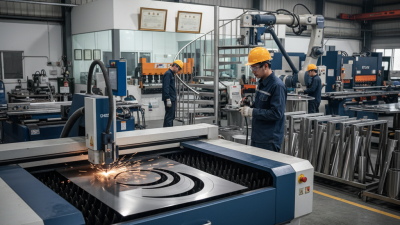
Choosing among stainless steel fabricators is not just a price comparison. It means finding a partner who can turn drawings, material specifications, and deadlines into reliable parts. World Stainless reported that global crude stainless steel production reached 58.4 million tonnes in 2023, a 4.6% increase from 2022. That figure signals a large, active supply chain, but it does not tell you which shop will meet your requirements. Scale matters. So does proof.
A useful evaluation starts with the details you can verify: experience with your alloy and product type, documented quality controls, and clear material traceability. Ask how the shop prevents mix-ups between stainless grades, controls heat during welding, and protects finished surfaces from scratches or contamination. Look for relevant certifications, such as ISO 9001 or ISO 3834, and confirm their scope rather than relying on a logo alone. Request examples of similar work, inspection records, and material test certificates. A polished sample helps, but a clean TIG weld bead cannot prove consistent production by itself. That is easy to overlook.
Compare lead times, communication, finishing options, and how changes are handled after approval. If a quote is unusually low, ask what it excludes: tooling, passivation, inspection, or packaging. The right fabricator should explain trade-offs in plain language and provide evidence for key claims. No checklist guarantees a perfect result. It does make the decision less dependent on guesswork.
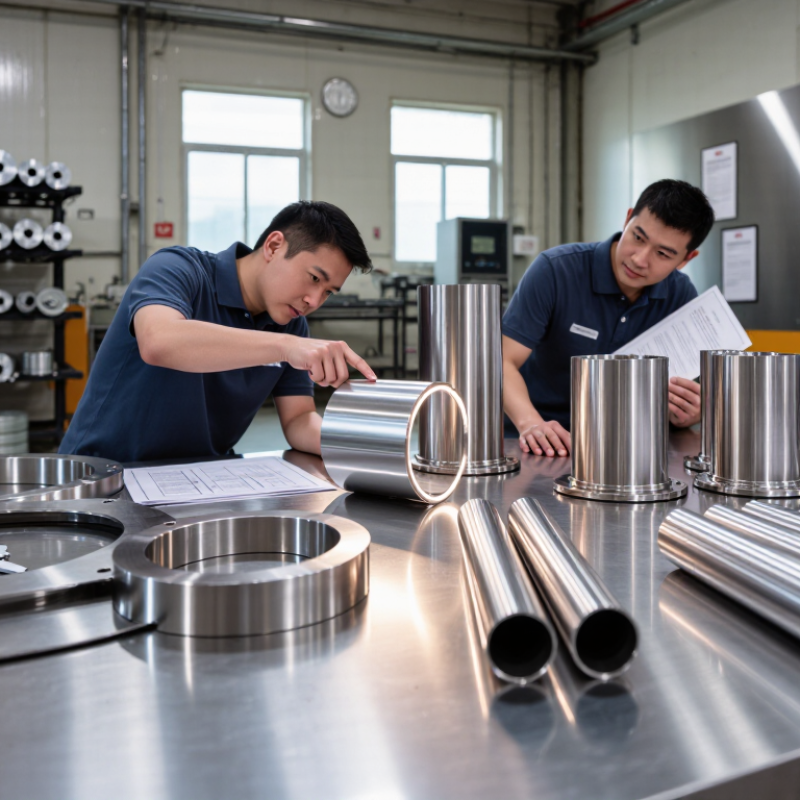
Before requesting quotes, define what the component must do and where it will operate. A food-preparation table needs cleanable surfaces; a coastal handrail faces salt spray. Record dimensions, load, quantity, service temperature, and exposure to moisture or chemicals. Specify the stainless grade, finish, thickness, and critical tolerances, not just “stainless steel.” If the grade is uncertain, ask fabricators to explain options against the actual environment. A polished finish can look excellent but still be wrong for a heavily scratched work surface. Small details count.
World Stainless Association reported global stainless steel melt-shop production of 58.4 million tonnes in 2023, up 7.4% from 2022. That scale reflects a broad material family, not one interchangeable grade. Give bidders the same drawings and specification sheet, including weld locations, edge treatment, and inspection expectations. Ask how they will protect finished surfaces during cutting and transport. Request samples when finish matters. A useful specification is rarely perfect on the first pass; revise it after checking assumptions with the people who will install and maintain the part. Cite the report year in your project file, and confirm that quoted substitutions meet the same performance needs.
| Requirement | Details to Define | Example or Practical Guidance | What to Confirm with the Fabricator |
|---|---|---|---|
| Application and service environment | Where the part will be used and what it will contact, including moisture, cleaning chemicals, salts, or outdoor exposure. | An indoor enclosure may have different corrosion needs from equipment exposed to coastal air or chloride-containing cleaners. | Ask how the proposed material suits the actual environment and whether additional cleaning or surface treatment is needed. |
| Stainless steel grade | Specify the grade and applicable material standard rather than describing the material only as “stainless steel.” | Type 304 is widely used for general-purpose fabrication; Type 316 contains molybdenum and is commonly selected for improved resistance to chloride-related corrosion; Type 430 is a ferritic grade and is magnetic. | Confirm the exact grade, product form, applicable specification, and whether material certificates are required. |
| Dimensions and tolerances | Provide a dimensioned drawing with units, critical dimensions, hole locations, bend angles, and permitted tolerances. | Identify dimensions that affect mating parts or assembly separately from non-critical dimensions. | Agree on tolerances, measurement methods, and inspection points before production; tolerances should reflect the design and manufacturing process. |
| Thickness and material form | State sheet, plate, tube, bar, or other form, along with nominal thickness or section dimensions. | For sheet parts, specify thickness in millimeters or inches and identify whether the stated value is nominal. | Confirm material availability, thickness tolerances, flatness needs, and any effects on forming or welding. |
| Surface finish and appearance | Specify the required finish, visible faces, grain direction, and acceptable cosmetic conditions. | Common sheet finishes include 2B, a smooth reflective finish, and No. 4, a brushed finish. Finish descriptions and appearance can vary by supply specification. | Request a sample or agreed visual reference for appearance-critical work, and specify which surfaces must remain visible or protected. |
| Fabrication and joining | List required cutting, bending, machining, welding, fastening, and assembly operations. | For welded parts, define weld locations, required appearance, and whether welds must be ground or blended. | Confirm the fabricator can meet the drawing requirements and explain how distortion, sharp edges, and weld discoloration will be managed. |
| Corrosion-control finishing | State whether post-fabrication cleaning, passivation, pickling, or another specified treatment is required. | Welding and handling can leave heat tint or embedded contaminants; suitable cleaning and treatment depend on the part and service environment. | Define the required process and acceptance criteria, and confirm how finished parts will be protected from contamination during handling. |
| Quantity and production schedule | Provide prototype and production quantities, delivery location, and required delivery dates. | Indicate whether the order is a one-time build or recurring production, since setup and material sourcing may affect lead time and cost. | Request a quote that separates material, fabrication, finishing, packaging, and delivery assumptions where practical. |
| Inspection and documentation | Identify required checks, records, certificates, and approval stages. | Possible requirements include dimensional inspection reports, material certificates, or first-article approval when specified by the purchaser. | Agree on inspection scope, document format, sampling plan, and responsibility for final acceptance before work begins. |
| Packaging and delivery condition | Specify packaging, surface protection, labeling, and handling needs during shipment. | Visible finished surfaces may need separators or protective coverings to reduce scratches during transit. | Confirm packaging prevents damage and contamination and is suitable for the delivery route and storage conditions. |