What is a Vacuum Sealer Machine and How Does It Work?
A Vacuum Sealer Machine is an innovative tool that offers numerous benefits in food preservation. Its primary function is to remove air from packaging, creating a vacuum-sealed environment. This process significantly extends the shelf life of various foods, making it essential for both home cooks and restaurant kitchens.
In recent years, the popularity of vacuum sealers has grown. Many people appreciate the convenience they provide. For example, vacuum sealing can reduce food waste by preventing spoilage. Moreover, it allows for efficient meal prepping, as food can be cooked and stored in advance. This machine can also protect items such as documents and electronics from moisture and air exposure.
However, some users may overlook certain aspects. Not all vacuum sealing methods are the same. At times, the sealing process might not remove all air, leading to potential spoilage. It's crucial to understand how to properly use a Vacuum Sealer Machine to maximize its effectiveness. By doing so, users can enjoy both the time-saving and cost-efficient advantages this device offers.
Definition and Purpose of a Vacuum Sealer Machine
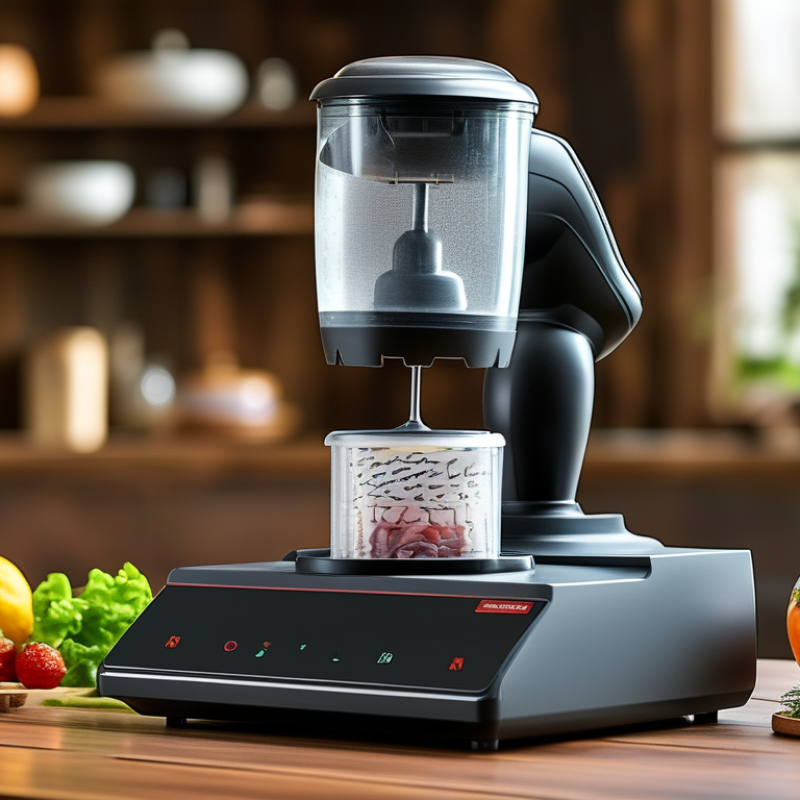
A vacuum sealer machine is an essential kitchen tool. Its main purpose is to remove air from packaging. This process helps preserve food by preventing oxidation and the growth of bacteria. Vacuum sealing keeps food fresh for a longer time compared to traditional storage methods. It’s particularly useful for meats, vegetables, and leftovers.
When using a vacuum sealer, ensure that the bags are suitable for the machine. Some bags may not seal properly, leading to spoilage. It's beneficial to pre-freeze moist foods for a bit, which helps in sealing. This can prevent any liquid from being sucked into the machine.
For best results, try to avoid overfilling the bags. This can prevent the machine from sealing effectively. Check for air pockets before sealing to achieve a tight seal. Practice makes perfect, and you might need a few tries to get it just right. Remember, vacuum sealers are not only for food. You can use them for documents or fragile items.
What is a Vacuum Sealer Machine and How Does It Work?
| Feature | Description |
| Definition | A vacuum sealer machine is a device that removes air from packaging to preserve food and prevent spoilage. |
| Purpose | To extend the shelf life of food items by limiting air exposure, thus reducing oxidation and freezer burn. |
| How it Works | The machine uses a pump to remove air from the bag and then seals the bag tightly, ensuring an airtight environment. |
| Types of Vacuum Sealers | External, chamber, and portable sealer models, each suitable for different sealing needs. |
| Common Uses | Food preservation, sous vide cooking, marinating, and vacuum packaging for storage. |
| Benefits | Reduce food waste, save money on groceries, maintain flavor and nutrients, and protect items from freezer burn. |
How Vacuum Sealer Machines Function Mechanically
A vacuum sealer machine is designed to extend food preservation. It removes air from bags before sealing them, reducing spoilage. According to industry reports, food waste can account for nearly 30% of the total food supply. This highlights the need for better preservation methods.
Mechanically, the vacuum sealer operates using a simple yet effective system. The machine utilizes a vacuum pump to draw air out of a bag or container. Once the air is removed, a heat sealing element fuses the bag shut. This process creates a tight seal, minimizing the risk of air and moisture spoiling the food. Studies show that vacuum sealing can increase food storage life by up to five times compared to traditional methods.
Despite the efficiency of vacuum sealers, challenges exist. Users may face issues with improper sealing if bags are not placed correctly. Additionally, if not maintained well, the machine can lose its suction power, decreasing effectiveness. Regular maintenance is crucial for ensuring optimal performance. A vacuum sealer is a valuable tool, but awareness of its limitations is important for maximizing benefits.
Different Types of Vacuum Sealer Machines Available
Vacuum sealer machines come in various types, each designed for specific needs. One common type is the external vacuum sealer. It works by placing a bag in the machine, which removes air and seals the bag. This type is widely used in households for its affordability and efficiency. Over 75% of users report enhanced food preservation through this method.
Another popular option is the chamber vacuum sealer. These machines create a vacuum inside a chamber, allowing users to seal liquids and delicate foods without damaging them. Research indicates that chamber sealers can extend the shelf life of products by up to five times compared to traditional methods. However, they often come with a higher price tag. Users must assess their needs before deciding.
A less common type is the handheld vacuum sealer. These portable devices offer convenience for on-the-go sealing of snacks or small items. While they may lack the power of full-sized machines, they are perfect for travelers or picnics. Industry reports show that handheld sealers are gaining popularity, especially among younger consumers looking for easy food storage solutions. However, some users find these machines less reliable in terms of durability. Each type has its pros and cons, requiring careful consideration of individual usage patterns.
Advantages of Using a Vacuum Sealer for Food Preservation
A vacuum sealer machine is a tool designed to extend the shelf life of food by removing air from packaging. This process effectively slows down spoilage and retains nutrients, making it a popular choice among home cooks and food enthusiasts. By eliminating the oxygen that causes food to deteriorate, a vacuum sealer can keep items fresh for months or even years longer than traditional storage methods.
Using a vacuum sealer offers numerous advantages for food preservation. First, it helps maintain the flavor and texture of food. For instance, vacuum-sealed meats retain their juiciness and taste much better than those stored in normal bags. Additionally, vacuum sealing can reduce freezer burn, which causes food to lose quality. Fruits and vegetables remain crisp and flavorful, enhancing meal prep and planning.
While vacuum sealing is effective, it is not entirely foolproof. Improper sealing can lead to air pockets and spoilage. Some foods, like certain cheeses, may not respond well to vacuum sealing. Understanding the nuances of this technology can help users optimize their food storage and reduce waste. This approach to food preservation is a practical solution, but it requires a bit of practice to get the best results.
Best Practices for Operating a Vacuum Sealer Machine
Operating a vacuum sealer machine requires some attention to detail for optimal results. One key practice is ensuring the sealer's surface is clean before use. Dust or residue can interfere with sealing. Properly placing the bag is also crucial. The open end should lay flat in the sealing area. This helps create a tight seal, preventing air leaks.
Monitoring the sealing process is essential. Watch for any unexpected noises or delays. If a seal doesn’t complete, it’s best to recheck the bag positioning. Additionally, don’t overload the machine. Too much material can compromise the vacuum process. It’s okay to pause and reassess if a seal seems off.
Using the right bag material matters as well. Thin bags may puncture easily. Choose thicker, puncture-resistant options for longer storage. Experimentation can lead to improvement. You might need a few tries to perfect your technique. Each attempt provides insight into making better seals, which increases food preservation and freshness.
Vacuum Sealer Machine Usage Statistics