Top Pipe Fabrication Companies for Global Buyers
Choosing a pipe fabrication partner can shape a project’s schedule, quality, and long-term reliability. For global buyers, distance adds practical challenges. Drawings, material specifications, inspection records, and shipping plans must stay aligned across teams and time zones.
A polished website is not enough. Buyers should examine a company’s relevant project experience, production capacity, quality controls, and communication habits. Ask how it tracks material certificates, documents welding procedures, and handles non-destructive testing. Confirm which inspection standards apply to your project, rather than assuming every supplier follows the same requirements. Small details count. A clear answer about traceability can matter as much as a large workshop.
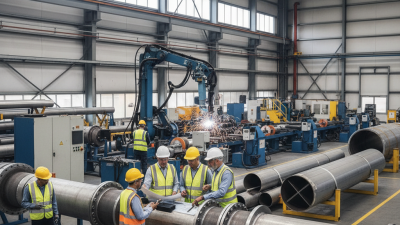
This guide introduces pipe fabrication companies that may suit different project needs. It considers factors such as product range, technical capabilities, documented quality processes, and export experience. Some projects require large-diameter spools and demanding inspection plans. Others need custom assemblies, responsive engineering support, or dependable delivery of smaller batches. No single supplier is right for every buyer. Even a strong shortlist can overlook a capable regional specialist, so treat this overview as a starting point, not a final verdict. Request current references, review sample quality documents, and discuss tolerances before placing an order. A careful comparison takes time. That time is usually well spent.
Pipe Fabrication Explained: Materials, Spools, and Manufacturing Stages
Pipe fabrication turns material specifications into ready-to-install assemblies. Common choices include carbon steel for many industrial services, stainless steel for corrosion resistance, and alloy steel for demanding temperatures. The right material depends on the fluid, operating conditions, and project specification. A familiar grade is not automatically the right grade.
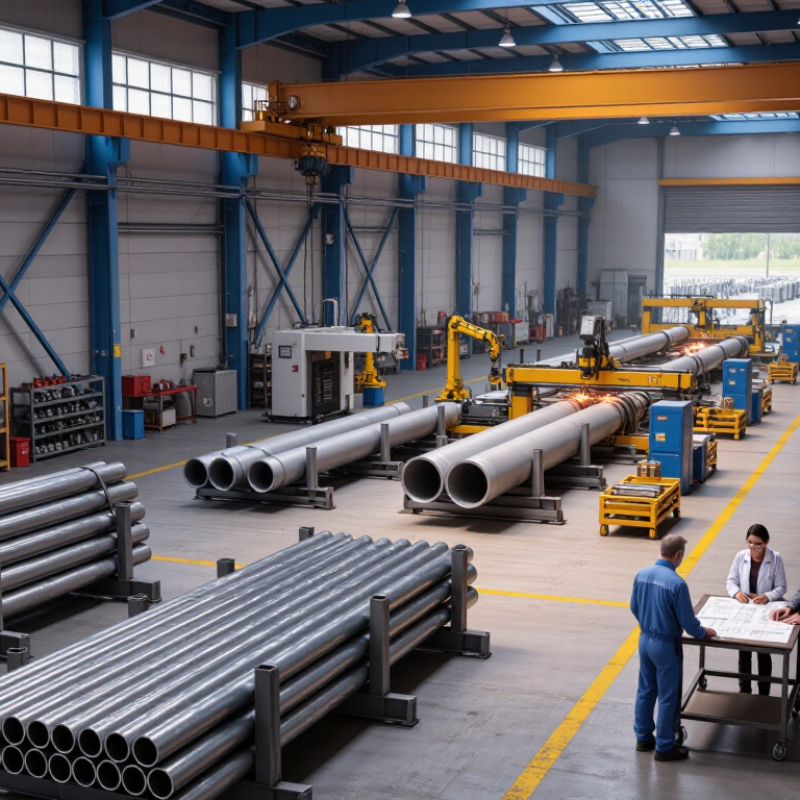
A pipe spool is a preassembled section containing pipe, fittings, flanges, and sometimes supports. In the shop, crews cut and bevel pipe, fit components, weld joints, and check dimensions. Inspection may include visual checks, weld examination, and pressure testing when specified. Clear spool drawings and traceable material records help buyers compare suppliers. A drawing can look perfect; the shop floor sometimes disagrees. Small fit-up changes can affect installation, so confirm how revisions are approved.
Tips: Ask for material certificates, weld procedures, inspection records, and a realistic delivery schedule. Check that spool tags match the drawings. Keep one tolerance question open until the fabricator answers it in writing. Details matter.
Global Supplier Landscape: Energy, Infrastructure, and Industrial Markets
Global buyers assess pipe fabricators across energy, infrastructure, and industrial markets, where operating conditions differ sharply. Energy projects may require thick-wall pipe, documented welding procedures, and inspection records that trace each component. Water and transport infrastructure often place greater emphasis on corrosion protection, reliable delivery, and fit-up across long routes. Industrial plants add tight tolerances, frequent design changes, and demanding installation schedules. Details matter.
A supplier’s capacity is not the whole story. Ask how it handles material traceability, dimensional checks, non-destructive testing, and changes to approved drawings. Request sample inspection records and confirm that stated production capacity matches your delivery schedule. A polished brochure cannot show how a shop manages a late revision.
Tips: Share operating pressure, temperature, material grade, and coating needs early. Compare delivery assumptions, not just quoted lead times. Keep one open question: what could delay this specific order?
A practical shortlist should reflect the project’s location and end use. Check whether the fabricator can coordinate cutting, beveling, welding, coating, and shipment without creating gaps between stages. For a remote site, packaging and transport planning may matter as much as workshop output. For a plant upgrade, clear revision control can prevent costly rework. Buyers should also consider communication: a named technical contact can help resolve drawing questions before fabrication begins. Still, no checklist catches everything. Specifications evolve, and supplier performance can vary between projects; verify critical claims against current documents and project references.
Technical Baselines: API 5L’s 2 PSL Levels and ASME B31.3
API 5L’s two Product Specification Levels are not interchangeable labels. PSL1 covers baseline line-pipe requirements; PSL2 adds tighter controls on chemistry, mechanical properties, testing, and traceability. The exact requirements depend on grade, diameter, wall thickness, and ordered test conditions. For buyers, that means checking the purchase specification against mill test certificates, not just comparing grade names. Small details matter. A missing impact-test record can delay acceptance, even when the pipe dimensions look right.
ASME B31.3 addresses process piping design, materials, fabrication, examination, and testing. It does not replace API 5L product requirements. Fabricators must reconcile the pipe order with the project’s design conditions, joint details, examination extent, and pressure-test plan. The IEA’s Gas 2024 report projected 2.5% growth in global gas demand during 2024, underscoring continued infrastructure needs, but demand forecasts do not determine a safe pipe specification. Buyers should confirm code edition, material documentation, and weld records before production release. There is a practical catch: tighter controls can improve verification, yet add inspection time and cost. That trade-off deserves a project-specific review.
Leading Company Profiles: Capacity, Certifications, and Export Reach
A useful profile of a pipe fabricator starts with the shop floor, not a headline capacity figure. Ask how many tonnes the facility can produce monthly, and whether that number reflects routine output or a peak month. A walk-through should reveal cutting beds, welding stations, pipe-positioning equipment, and space for finished orders. Details matter. A large stated capacity means little if production slots are already committed.
Certifications help buyers assess documented processes, but they do not guarantee consistent workmanship. Check that certificates match the actual facility, product scope, and current validity dates. Then review inspection records, material traceability, and sample reports for wall thickness, weld quality, and dimensional tolerances. Ask who performs non-destructive testing and how rejected sections are handled. The answer should be specific, not polished.
Export reach is best judged through evidence of completed shipments to comparable markets. Request references, packaging photographs, and examples of shipping documents with confidential details removed. Confirm whether the fabricator manages export packing, marking, and coordination with freight providers, or expects the buyer to arrange them. Lead times can shift when steel supply or port schedules change. That part is easy to underestimate. A careful profile should also state its limits, since published figures may not describe every order or delivery season.
Buyer Comparison: ISO 3834, NDE, Traceability, and Delivery Metrics
Top Pipe Fabrication Companies for Global Buyers
A useful comparison starts with the work each shop can document, not its production claims. ISO 3834 indicates a welding quality framework, but buyers should check the certificate’s scope, validity, and relevance to the pipework ordered. Ask who approves welding procedures and how welder qualifications are kept current. Details matter.
NDE records should identify the method, acceptance criteria, inspection stage, and responsible personnel. Visual inspection may catch surface issues; ultrasonic or radiographic testing can assess internal weld quality when specified. Magnetic-particle and penetrant testing suit particular surface checks. The required method depends on material, geometry, and project specifications, so a generic “100% tested” statement is not enough. Request sample reports linked to weld numbers.
Traceability should connect material heat numbers to cut pieces, weld maps, filler materials, and final inspection records. For delivery, compare on-time, in-full performance, document-package completeness, and damage or rework rates across recent orders. Ask for the measurement period and how delays are counted. Numbers can look neat. Their definitions may not be. A brief review of a real data book and shipment record often reveals gaps that a sales presentation misses.