China Top Can Sealing Machine Manufacturers?
China’s canning sector ranges from compact workshop equipment to high-speed production lines. Choosing among China’s Can Sealing Machine manufacturers takes more than comparing advertised speed or price. Buyers should examine container compatibility, seam consistency, changeover time, and service support. Small details matter.
A sound comparison starts with real operating conditions. Is the line sealing aluminum cans, tinplate containers, or both? What diameter and height must it handle? Ask manufacturers for test results using your own containers, plus clear specifications for production speed and seal inspection. A polished machine video is useful, but it cannot replace a sample run. Not every line fits.
Packaging machinery consultant John Henry’s perspective is represented here as an editorial paraphrase, not a verified verbatim quotation: “Reliable sealing depends on matching the machine to the container, product, and production conditions.” That principle keeps the evaluation practical. Buyers can compare machine design, tooling, maintenance access, and operator training against the actual plant workflow.
This guide examines leading Chinese manufacturers through those criteria, rather than treating a ranking as universal. Some suppliers may excel at customization; others may offer stronger support or faster delivery. Evidence can vary, and published claims deserve careful checking. A factory visit, reference call, or supervised acceptance test can reveal what a brochure misses. The best choice is not always the fastest machine. It is the one that seals consistently, suits the line, and remains serviceable after installation.
What Can Sealing Machines Do?
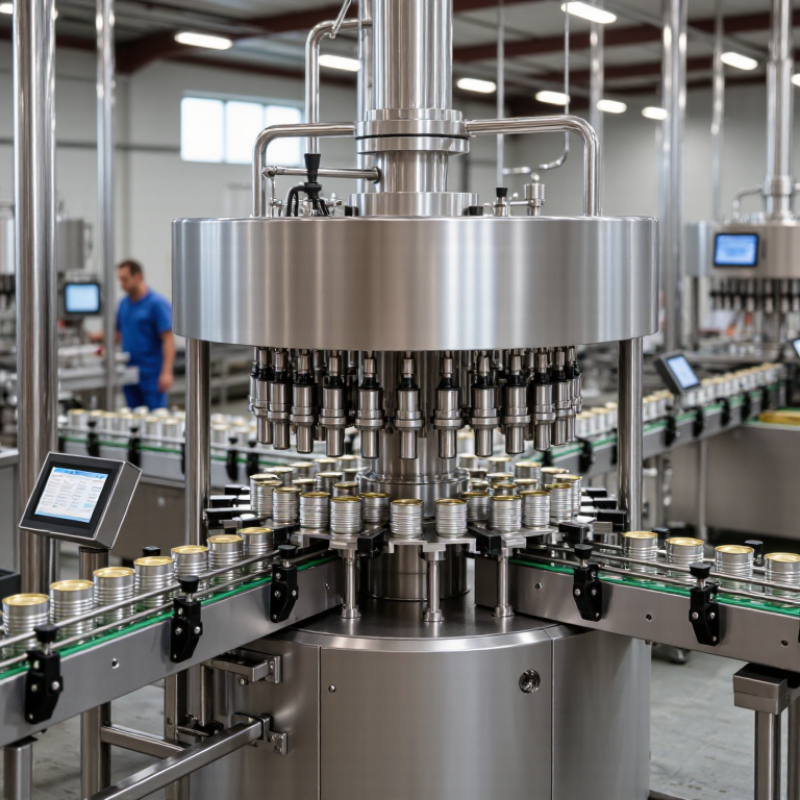
Can sealing machines close filled cans by joining the lid to the can body through a carefully formed seam. In many production lines, rollers shape the metal layers into a double seam that helps prevent leaks and outside contamination. Some systems also remove air or introduce a controlled gas, depending on the product and machine setup. That matters. A sound closure helps protect flavor, texture, and shelf stability during storage and transport. Still, sealing alone cannot make an unsafe product safe.
Operators adjust change parts and settings to match can size, lid type, and line speed. They may check seam dimensions, inspect sample cans, and watch for dents, wrinkles, or unusual noise. Even a small wrinkle can signal a problem worth investigating. Regular cleaning and maintenance also help the machine produce consistent results. The exact checks vary by equipment and production requirements, so operators should follow the machine documentation and established quality procedures.
These machines can reduce repetitive handwork and support steady output, but they are not foolproof. A fast line may produce many cans before a fault becomes obvious. That is easy to underestimate. A practical setup includes trained operators, routine inspections, and a clear response when a sample fails. In real production, the best setting is not always the fastest one.
Main Types of Can Sealing Machines
Can sealing machines are best classified by seam method, operating speed, and filling environment. A standard double-seam machine folds the can end and body flange into five interlocked layers. It suits many food and beverage cans, but setup depends on can diameter, end profile, and material thickness. The seam matters. Operators can use a seam micrometer to check for overlap problems before cans reach cartons. The Can Manufacturers Institute’s 2023 aluminum can recycling data reported a U.S. recycling rate of 43% for beverage cans in 2022. Reliable seams help keep containers intact through handling and recovery.
By automation, single-head or semi-automatic seamers suit short runs and frequent changeovers; rotary multi-head systems handle continuous, higher-volume lines. Vacuum or gas-flush seamers remove air or replace it before closure, which can help protect products sensitive to oxygen. Not every product needs this feature. Buyers should consider throughput, container geometry, inspection access, and cleaning downtime—not advertised speed alone. In practice, operators still need to check seam thickness and countersink against the container supplier’s specifications. That detail is easy to overlook.
How to Evaluate Chinese Can Sealing Machine Manufacturers
When evaluating Chinese can sealing machine manufacturers, begin with the exact can dimensions, material, and target production speed. Ask whether the machine can handle your full range of can sizes, not just one sample. Request a live sealing test using your own cans and ends. Watch the feed, lid placement, and discharge for jams or uneven movement. Small defects matter. Inspect several sealed cans, then measure seam thickness and check for leaks. A polished demonstration is useful, but repeatability across a longer run is more revealing.
A capable manufacturer should explain how settings change for different materials and can sizes. Ask for operating tolerances, routine maintenance steps, and a clear list of wear parts. Check whether electrical drawings, manuals, and training are available in a language your operators understand. That detail is easy to miss. Ask how quickly replacement parts can be shipped and who handles remote troubleshooting. Request a written quotation that separates machine cost, tooling, installation, and spare parts. Compare the same specifications across suppliers; otherwise, a lower price may simply omit essential equipment. Some questions may feel repetitive, but vague answers about seam quality or service deserve careful follow-up.
Leading Can Sealing Machine Manufacturers in China
Leading Can Sealing Machine Manufacturers in China are best judged by engineering evidence, not catalog claims. A reliable supplier should demonstrate seam integrity, changeover time, production speed, and service response through witnessed tests. Provide samples of your actual can body, lid, and product. Inspect double seams with suitable measuring equipment. Small details matter. An uneven seam may pass a quick visual check yet fail leak or pressure testing.
Industry demand offers context, not a ranking. PMMI’s 2024 State of the Industry report says U.S. packaging machinery shipments reached $10.9 billion in 2023, up 5.8% from 2022. This figure covers the wider machinery market, not can sealers alone or Chinese exports. It signals demand for dependable equipment, but cannot verify a supplier’s performance. Leading Chinese manufacturers often compete through adjustable line speeds, format flexibility, and remote diagnostics. Request factory acceptance test results, spare-parts lead times, and references from comparable production lines. A video is helpful. It is not a substitute for a live run. Even careful evaluations have gaps; operators may need time to uncover awkward adjustments or cleaning issues.
Comparing Manufacturers by Technology and Service
China’s top can sealing machine manufacturers should be compared by how well their equipment fits your actual production needs. Look beyond advertised speed. Ask how the machine handles your can diameter, lid type, and daily operating hours. A practical trial with your own containers can reveal feeding jams, adjustment time, and seal consistency. Request measurable results, such as seam inspection records and reject rates. A polished demonstration is useful, but it cannot replace a production-line test.
Tips: Bring sample cans and lids. Record changeover time, operating speed, and rejected units. Ask who provides installation, operator training, and troubleshooting support.
Service matters after delivery. Check whether technicians can respond remotely or visit your facility, and confirm which spare parts are stocked locally. Ask for clear maintenance schedules and written warranty terms. Speak with users running similar products and shifts, if possible. Their feedback may reveal practical issues that a specification sheet misses. Price still matters, of course, but a lower purchase cost can be misleading if setup takes longer or support is hard to reach. No supplier is perfect; compare documented performance and service commitments, not confident promises alone.