

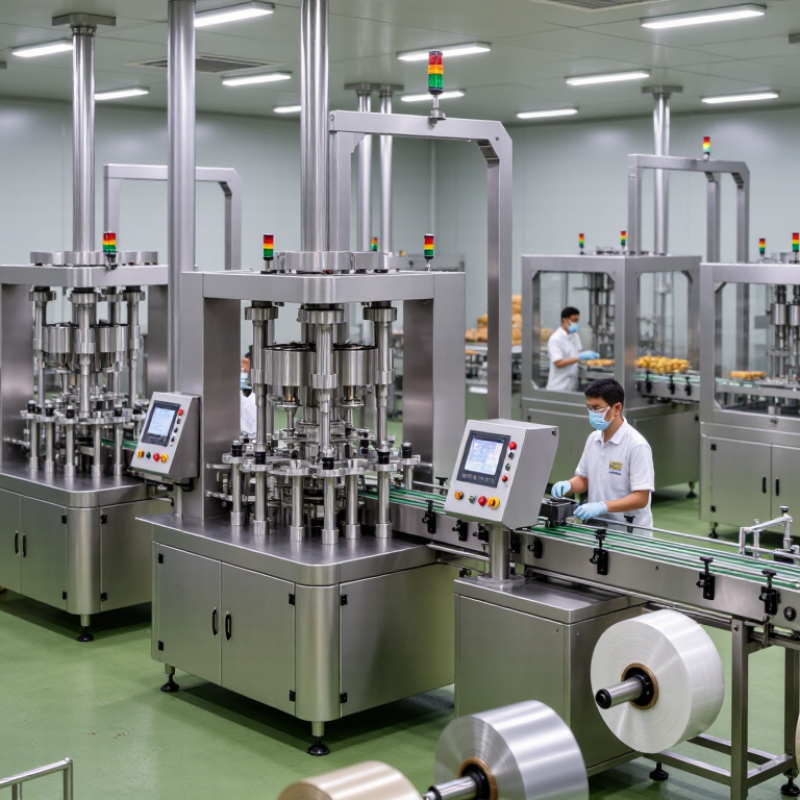
7 Best Pouch Machinery Manufacturers Worldwide

Choosing the right Pouch Machinery supplier can shape an entire packaging operation. The decision affects output, product protection, labor costs, and long-term reliability. Seven manufacturers often appear in global comparisons, but reputation alone cannot guarantee a suitable machine.

Jorge Izquierdo, a recognized packaging machinery specialist and former PMMI executive, once stated, “Packaging equipment creates value only when it supports the complete production system.” That principle remains practical. A fast pouch machine may impress during a showroom demonstration. It may struggle with dusty powders, soft films, or frequent format changes on a real factory floor. The details matter. Servo-driven filling, stable temperature control, accurate registration, and accessible sealing jaws can prevent costly interruptions. Operators also need clear controls, safe access, and short changeover procedures.

This guide examines seven leading Pouch Machinery manufacturers worldwide. It considers machine flexibility, sealing performance, filling accuracy, energy use, automation, and technical support. Service quality deserves equal attention. Spare parts delays can stop production for days. Training can also determine whether advanced equipment performs as promised.

No ranking is perfectly universal. A snack producer may value high-speed vertical packaging, while a coffee brand may prioritize airtight seals and degassing valves. Pharmaceutical and medical applications require stricter validation and documentation. Even attractive specifications need careful questioning.

Look beyond the brochure. Request sample trials. Examine seal strength, film waste, cleaning access, and actual cycle speeds. The strongest manufacturer is not always the largest. It is often the one that understands your product, operators, facility, and future production goals.

7 Best Pouch Machinery Manufacturers Worldwide

Pouch Machinery Market Scope: Formats, Speeds, and 200+ Pouches per Minute

7 Best Pouch Machinery Manufacturers Worldwide

The best pouch machinery manufacturers should be judged by usable output, not brochure speed. Pouch formats include three-side seal, four-side seal, stand-up, spouted, and flat pouches. Each format demands different forming, filling, and sealing controls. A narrow sachet may exceed 200 pouches per minute. A large stand-up pouch usually runs much slower. Material thickness, powder behavior, and zipper placement also affect performance.

Speed alone can mislead. A machine rated above 200 pouches per minute may deliver less during continuous production. Film tracking, seal temperature, product dust, and changeovers reduce real output. Ask for a factory trial using your film and product. Check reject rates, seal strength, filling accuracy, and stable operation over several hours. A neat spreadsheet can still mislead.

Reliable manufacturers provide servo-driven systems, accessible maintenance points, and clear operating data. They should explain format limits without hiding difficult conditions. Spare-part availability and remote support matter when a sealing jaw stops unexpectedly. Safety guarding, electrical documentation, and hygienic construction should be verified before purchase. The ideal supplier also helps optimize feeding, coding, inspection, and case packing. Some specifications remain uncertain until testing. That is normal, and it deserves honest discussion.

7 Best Pouch Machinery Manufacturers Worldwide — Pouch Machinery Market Scope: Formats, Speeds, and 200+ Pouches per Minute

Typical maximum rated output by pouch format. Actual production speed varies with pouch size, film structure, filling volume, sealing method, and machine configuration.

Sachet and stick-pack systems generally achieve the highest pouch counts because of their compact format, while spouted and larger stand-up pouches typically run at lower speeds due to additional forming, filling, and sealing requirements.

How to Assess Seven Manufacturers: Accuracy, OEE, Automation, and Service Data

7 Best Pouch Machinery Manufacturers Worldwide

How to Assess Seven Manufacturers: Accuracy, OEE, Automation, and Service Data

Comparing seven pouch machinery manufacturers requires more than reading brochures. Ask for verified data from comparable pouch formats, film structures, and production speeds. Accuracy should cover fill weight, seal temperature, registration, and pouch dimensions. Request test-run records, not only laboratory results.

A useful benchmark includes weight variation, rejected pouches, changeover time, and sustained output across several shifts. Small errors often become expensive during long production runs.

OEE reveals how equipment performs in real conditions. Examine availability, performance, and quality separately, rather than accepting one attractive percentage. Ask how downtime is recorded and whether minor stops are included.

Automation should reduce manual adjustments without making troubleshooting difficult. Check recipe control, sensor feedback, remote diagnostics, and integration with inspection systems. A simple interface may outperform a highly complex one when operators work under pressure. That point is sometimes missed.

Seven Global Leaders in VFFS, HFFS, and Premade-Pouch Machinery

The seven best pouch machinery manufacturers worldwide stand out through dependable VFFS, HFFS, and premade-pouch systems. VFFS machines form bags from film rolls, making them practical for powders, grains, and snacks. HFFS equipment offers precise horizontal sealing for bars, medical packs, and flat products. Premade-pouch machinery improves presentation and supports zippers, spouts, and custom shapes.

In real plant evaluations, reliable equipment shows its value during changeovers. Operators need clear controls, accessible sealing jaws, and fast cleaning access. Servo-driven systems can improve film control and reduce wasted material. However, speed alone can mislead buyers. A machine running at 100 bags per minute may struggle with humid powder or uneven filling. The best manufacturers provide application testing, spare-part planning, and responsive technical training. Small details matter, such as stable pouch opening and consistent seal pressure. Not every impressive specification survives production.

Tips: Test your actual product before purchasing. Bring the intended film, pouch size, filling weight, and closure style. Record seal strength, changeover time, dust levels, and rejected packs. Ask for maintenance intervals in writing. Also inspect the operator interface. It should be understandable at the end of a long shift. A factory demonstration can look perfect, but real materials often behave differently. That gap deserves careful attention.

7 Best Pouch Machinery Manufacturers Worldwide - Seven Global Leaders in VFFS, HFFS, and Premade-Pouch Machinery

Global Position Manufacturer Profile Primary Machinery Focus Supported Pouch Formats Typical Output Range
(pouches/min)
Common Product Applications Notable Engineering Capability
01 Global Leader 01 High-speed VFFS and integrated multihead weighing systems Pillow, gusseted, block-bottom, and quad-seal bags 40–120 Snacks, confectionery, frozen foods, grains, and pet food Continuous-motion sealing, servo-driven film control, and automatic weighing integration
02 Global Leader 02 HFFS machinery for flexible and specialty packaging Three-side-seal, four-side-seal, doy-pack, and shaped pouches 30–90 Sauces, ready meals, medical products, household goods, and personal care items Accurate web registration, zipper application, spout insertion, and corner forming
03 Global Leader 03 Premade-pouch filling and sealing lines Stand-up, flat, zipper, spouted, and vacuum pouches 25–80 Coffee, powders, liquids, sauces, pet treats, and nutraceuticals Flexible dosing architecture with nitrogen flushing, vacuum sealing, and checkweighing options
04 Global Leader 04 VFFS systems for powder, granule, and liquid products Stick packs, sachets, pillow bags, and gusseted bags 50–220 Coffee, spices, detergents, instant beverages, and liquid condiments Auger, volumetric, and pump dosing systems with recipe-based machine controls
05 Global Leader 05 HFFS machinery for premium stand-up pouch production Doy-pack, flat-bottom, quad-seal, and resealable pouches 35–100 Pet food, snack foods, coffee, detergents, and premium dry goods Modular stations for zippers, valves, spouts, laser coding, and multi-lane production
06 Global Leader 06 Premade-pouch systems for liquid, viscous, and particulate products Spouted, stand-up, flat, vacuum, and retort-ready pouches 20–70 Baby food, sauces, soups, cleaning liquids, and retort meals Servo-controlled filling, clean-in-place options, seal-jaw monitoring, and pouch inspection
07 Global Leader 07 Integrated VFFS, HFFS, and premade-pouch automation platforms Pillow, gusseted, stand-up, zipper, spouted, and specialty pouches 25–150 Food, pharmaceuticals, cosmetics, chemicals, and agricultural products End-of-line integration, vision inspection, metal detection, coding, and remote diagnostics

Note: Output figures are typical commercial ranges and vary according to pouch size, product characteristics, filling system, film structure, and required sealing conditions.

Sustainability Benchmarks: Film Waste, Energy Use, and Recyclable Pouch Support

7 Best Pouch Machinery Manufacturers Worldwide

Sustainability should be measured on the production floor, not only in brochures. When comparing pouch machinery manufacturers worldwide, examine film waste during start-up, format changes, sealing, and rejected packs. A practical benchmark is consistent waste below 2% in stable production, although material type and pouch design affect this figure. Request machine trial data with the same film structure and pouch dimensions.

Energy use also needs careful measurement. Ask for electricity consumption per 1,000 finished pouches, including heaters, servo drives, compressors, and auxiliary equipment. Efficient machines may reduce idle heating and compressed-air demand. Small details matter. A leaking air line quietly increases costs.

Recyclable pouch support requires more than running a mono-material film. The machine should control tension, temperature, registration, and sealing pressure without damaging thinner structures. It should also handle recyclable PE or PP films with stable feeding and accurate cutting. Ask whether technicians have tested these materials in real production conditions. Film suppliers, local recycling systems, and packaging rules can change the result. A recyclable pouch may still lack practical recovery infrastructure. That uncomfortable gap deserves attention. Some manufacturers publish impressive waste figures, but the testing method may be unclear. Independent trials, maintenance records, and operator feedback offer stronger evidence than polished claims. Mistakes happen, especially during rapid changeovers. The best equipment makes them visible, measurable, and easier to correct.

Selecting the Best Supplier by ±1% Fill Accuracy, Capacity, and Total Cost

7 Best Pouch Machinery Manufacturers Worldwide

Selecting a pouch machinery supplier requires more than comparing brochures. In plant trials, fill accuracy, output, and operating costs often change under real conditions. A supplier claiming ±1% accuracy should provide test data, product samples, and clear measurement methods. Ask whether the result applies across different pouch sizes, powders, granules, or liquids. One impressive sample proves little.

Capacity must match your actual production rhythm. A machine rated for 100 pouches per minute may slow down after changeovers, cleaning, or material adjustments. Request a full-cycle demonstration. Measure sealing time, film waste, rejected pouches, and operator intervention. Small delays become expensive across several shifts. Faster is not always better.

Total cost includes more than the purchase price. Review energy use, spare parts, maintenance access, training, software support, and planned downtime. A cheaper machine can become costly when a common sensor needs overseas replacement. I would also inspect the supplier’s service records and customer references. Speak with operators, not only sales teams. Their comments may reveal noise, difficult adjustments, or frequent calibration needs. No spreadsheet captures everything. Even reliable accuracy can drift when humidity, temperature, or product density changes. Leave room for testing, honest doubts, and future improvements before selecting among the seven leading manufacturers.

Contact Us