Top 10 Tips for Using a Benchtop Welding Positioner Effectively
In the realm of metal fabrication and welding, efficiency and precision are paramount. A benchtop welding positioner is an invaluable tool that significantly enhances the effectiveness of welding tasks by allowing for better access and control over the workpiece. This versatile equipment is designed to hold and rotate components in various orientations, ensuring that welders can achieve consistent and high-quality results. However, to maximize the benefits of a benchtop welding positioner, it's essential to understand the best practices for its use.
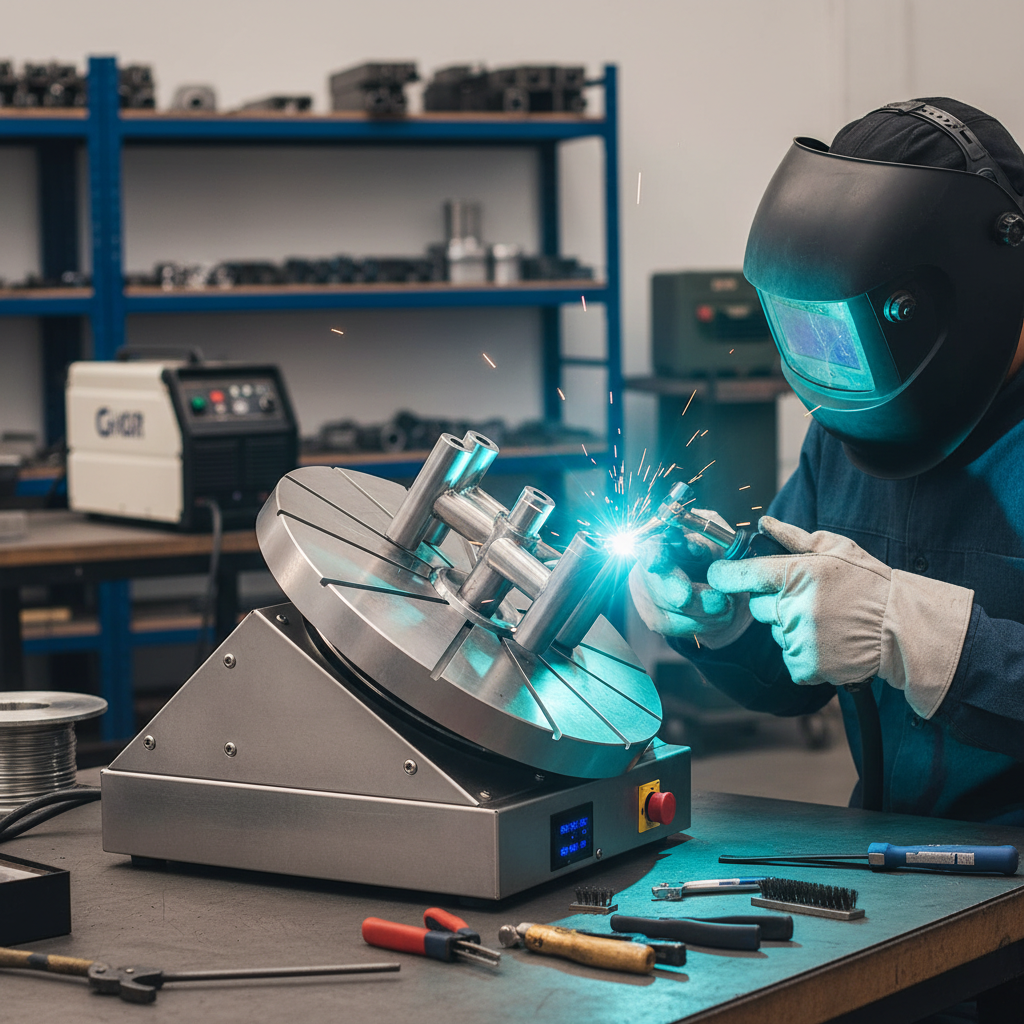
This guide presents the top 10 tips for using a benchtop welding positioner effectively, catering to both novice and experienced welders. By incorporating these strategies into your workflow, you can streamline the welding process, reduce fatigue, and minimize the risk of errors. Whether you're working on small-scale projects or large assemblies, these tips will help you harness the full potential of your benchtop welding positioner, ultimately leading to improved productivity and weld quality.
Understanding the Basics of Benchtop Welding Positioners
Benchtop welding positioners have become essential tools in modern fabrication environments, enhancing precision and efficiency. Understanding the basics of these positioners is crucial for maximizing their benefits. According to a report by the American Welding Society, nearly 25% of welding inconsistencies arise from improper positioning of the workpieces. This highlights the inadequate investment in automation and positioners, which can lead to increased labor costs and decreased productivity.
A benchtop welding positioner allows welders to manipulate the workpiece to an optimal angle, facilitating a more comfortable and effective welding process. By leveraging rotational and tilt functionalities, welders can achieve consistent welds that adhere to strict industry standards. Industry studies reveal that integrating such positioners can improve weld quality by up to 30%, reducing the need for rework. As the trend towards automation in welding continues, understanding the operation and applications of benchtop welding positioners becomes increasingly critical, enabling businesses to stay competitive while delivering high-quality welds efficiently.
Top 10 Tips for Using a Benchtop Welding Positioner Effectively
Choosing the Right Welding Positioner for Your Projects
When selecting the right welding positioner for your projects, it's essential to consider several factors that can significantly impact your productivity and weld quality. According to the American Welding Society (AWS), an efficient welding positioner can enhance welding speed by up to 30%, which is particularly crucial in high-volume applications. This means that a well-chosen positioner not only streamlines workflow but also optimizes material usage and reduces waste.
Another important aspect is the positioner's weight capacity and versatility. Models that support varying load ranges allow for multiple project applications, accommodating different sizes and types of materials. In a recent market analysis by Research and Markets, the global welding positioner market is expected to grow at a CAGR of 4.5% from 2022 to 2030, driven by increasing automation in manufacturing and the need for precision in welding practices. Choosing a positioner that meets the specific requirements of your projects can enhance operator safety and precision, leading to improved overall outcomes.
Proper Setup and Calibration Techniques for Optimal Performance
Proper setup and calibration of a benchtop welding positioner is crucial for achieving optimal performance. Start by selecting a stable and flat surface to place your positioner, ensuring it is securely anchored to avoid any movement during operation. This will help maintain accuracy and consistency in your welding tasks. Next, adjust the height of the positioner to match the workpiece, allowing for comfortable access and reducing strain on the operator. Ensuring that the workpiece is centrally located on the positioner will enhance balance and further improve the quality of the weld.
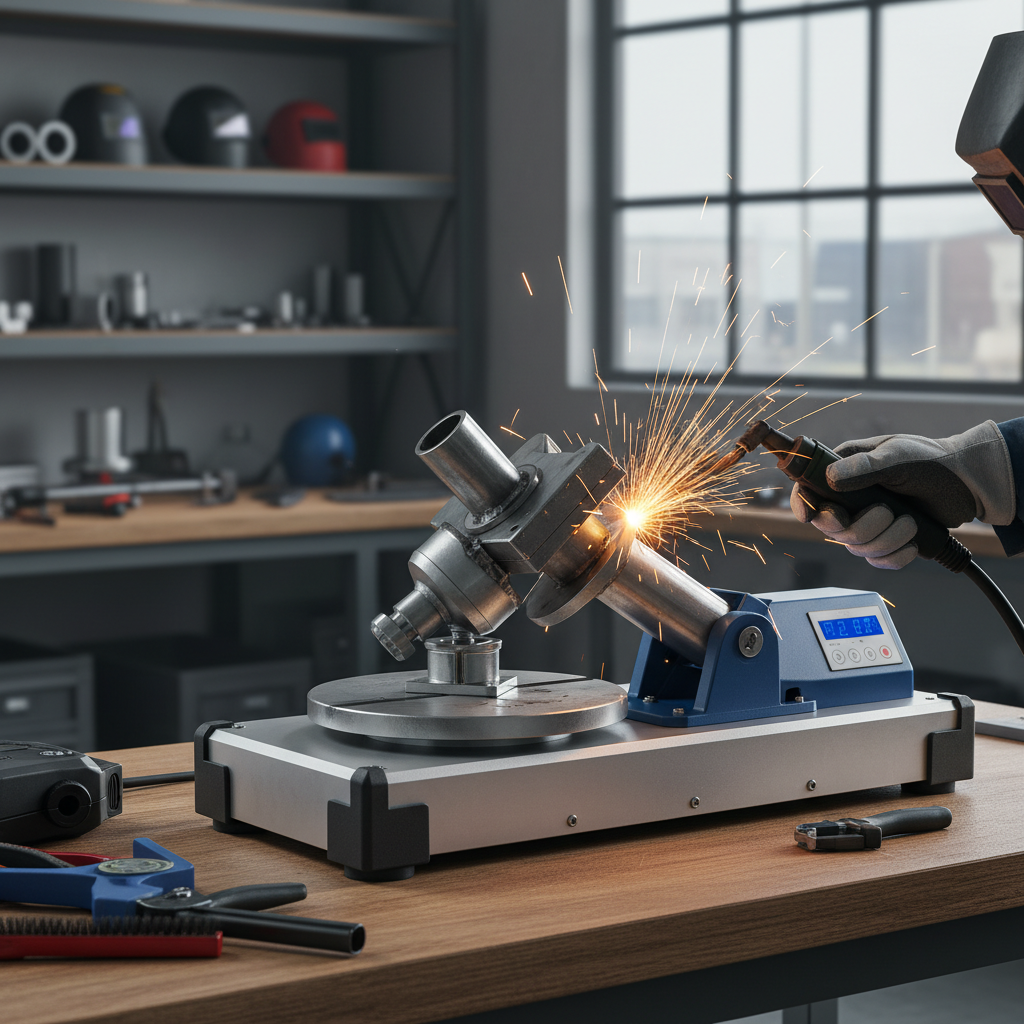
Calibration is another essential step in maximizing the effectiveness of your welding positioner. Begin by checking the alignments of all components, including the pivot points and gears. Regularly verify that the angle settings correspond to the desired welding position, and make fine adjustments as necessary. Employing a digital protractor can aid in achieving highly precise angle measurements. Finally, after initial setup and calibration, conduct test runs with scrap materials to confirm that all settings yield the desired outcomes before proceeding with actual projects. These steps will not only ensure efficiency but also prolong the life of the equipment.
Safety Best Practices When Using Welding Positioners
When using a benchtop welding positioner, safety should always be the top priority. Before beginning work, operators must conduct a thorough inspection of the equipment. This includes checking for any mechanical issues, ensuring that all safety guards are in place, and confirming that the positioning device is securely fastened to the workbench. Wearing appropriate personal protective equipment (PPE) is crucial; this includes safety glasses, gloves, and fire-resistant clothing to protect against sparks and heat.
Additionally, maintaining a clean and organized workspace can significantly reduce the risk of accidents. Ensure that hoses, electrical cords, and materials are kept tidy to avoid tripping hazards. Operators should also be well-trained in using the positioner, understanding its controls and limits. Regular breaks and vigilance are important to prevent fatigue, which can lead to lapses in concentration. By prioritizing safety and adhering to best practices, users can enhance their welding experience while minimizing risks.
Maintenance Tips to Extend the Life of Your Positioner
To ensure the longevity of your benchtop welding positioner, regular maintenance is essential. One key aspect is to keep the device clean. After each use, make sure to remove any spatter or debris from the work surface and joints. This not only enhances safety but also prevents dirt from interfering with the mechanical components.
Additionally, periodically check for loose bolts and connections. Tightening these can prevent unexpected vibrations and misalignments during operation. It’s also beneficial to lubricate moving parts as recommended by the manufacturer to reduce friction and wear on the machine.
By incorporating these simple maintenance tips, you can significantly extend the life of your welding positioner. Remember that proactive care can help avoid costly repairs and downtime, ensuring your equipment remains reliable for all your welding projects.
Top 10 Tips for Using a Benchtop Welding Positioner Effectively
| Tip Number |
Maintenance Tip |
Description |
Frequency |
| 1 |
Clean Regularly |
Remove dust and debris from the unit. |
Daily |
| 2 |
Check Alignment |
Ensure the workpiece is aligned properly. |
Before Each Use |
| 3 |
Lubricate Moving Parts |
Apply appropriate lubricant to joints and bearings. |
Monthly |
| 4 |
Inspect Electrical Connections |
Look for frayed wires or loose connections. |
Quarterly |
| 5 |
Test Safety Features |
Verify that all safety mechanisms function correctly. |
Monthly |
| 6 |
Keep Work Area Clean |
Maintain a tidy workspace to enhance safety. |
Daily |
| 7 |
Monitor Operating Temperature |
Ensure the positioner does not overheat during use. |
During Use |
| 8 |
Use Correct Settings |
Adjust the speed and rotation settings based on application. |
Before Each Use |
| 9 |
Secure Workpieces Properly |
Ensure the workpieces are clamped securely. |
Before Each Use |
| 10 |
Store Properly |
Store the positioner in a dry, safe place when not in use. |
Whenever Not in Use |