What is a Sheet Feeding Paper Bag Machine and How Does It Work?
The rising demand for sustainable packaging solutions has propelled the paper bag industry into the spotlight. According to recent market studies, the global paper bag market is expected to reach $5.84 billion by 2027, growing at a CAGR of 4.8%. This surge highlights the importance of efficient manufacturing processes, such as the use of a Sheet Feeding Paper Bag Machine.
A Sheet Feeding Paper Bag Machine automates the bag-making process, allowing for higher production rates and less labor dependency. These machines can produce various bag styles, catering to different industries. However, not all machines on the market provide the same quality or speed, which can influence production speed and overall cost-effectiveness. Many manufacturers face challenges in balancing efficiency with the need for sustainability.
In an industry where innovation is crucial, finding a reliable and effective Sheet Feeding Paper Bag Machine is essential. It is imperative for businesses to invest in machines that not only meet their production needs but also align with environmental goals. Not all machines deliver on their promises, leading manufacturers to assess their return on investment carefully. The right choice can propel businesses ahead, while poor decisions may hinder progress.
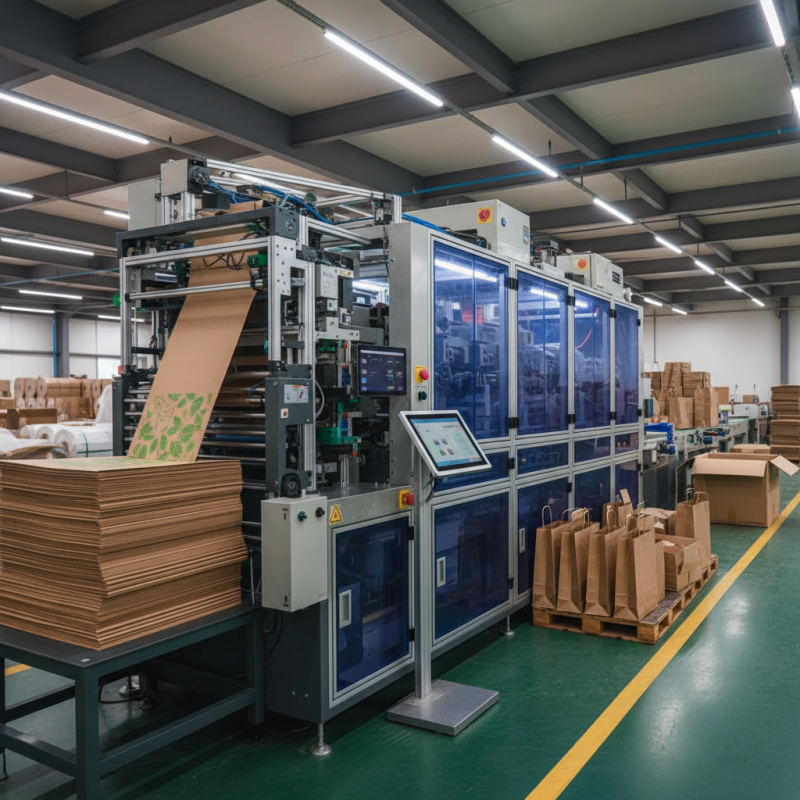
What is a Sheet Feeding Paper Bag Machine?
A sheet feeding paper bag machine is a specialized device designed for producing paper bags efficiently. It works with flat paper sheets, which are fed into the machine. The process starts when the machine separates these sheets and aligns them for processing. This ensures that each bag is uniform and precise.
The machine then cuts, folds, and glues the paper to form a finished bag. The paper can come in various sizes and weights, depending on needs. Adjustments may be necessary to cater to different specifications, which can be a challenge. Variations in paper quality can also affect the final output. Regular maintenance is crucial to prevent errors and ensure consistent performance.
These machines have gained popularity due to their efficiency. They are particularly useful in industries where speed and precision matter. However, operators must be trained to handle the equipment properly. Mistakes can lead to wastage and increased costs, which calls for vigilance. A well-maintained machine can produce thousands of bags with minimal errors, but not every setup achieves that level of efficiency. Understanding these nuances is key to making the most of the technology.
Components of a Sheet Feeding Paper Bag Machine
A sheet feeding paper bag machine is a specialized piece of equipment designed for producing paper bags efficiently. It incorporates several critical components that work together to ensure smooth operation. One of the key elements is the feeder. This part holds and feeds the sheets of paper into the machine. Proper synchronization of the feeder is crucial. If it malfunctions, the entire process can be disrupted.
Another essential component is the printing unit. This section allows for customization of the bags. It can apply various designs or logos, adding personal touches. However, aligning the printing correctly can be challenging. Misalignment leads to wasted materials, underscoring the need for precise adjustments. Operators must regularly check the printing quality to avoid common pitfalls.
The folding and gluing section follows next. It shapes the paper into bags and secures the seams. This area requires careful monitoring. Sometimes the glue application may not be adequate, leading to weak seals. Operators should be trained to spot these issues quickly. In summary, while each component plays a vital role, efficiency also relies on skilled operators who can manage and troubleshoot the machine effectively.
What is a Sheet Feeding Paper Bag Machine and How Does It Work?
| Component | Description | Functionality |
| Feeding System | Consists of rollers and guides that feed flat paper sheets into the machine. | Ensures precise alignment and consistent feeding speed for the manufacturing process. |
| Printing Unit | Includes ink transfer mechanisms and drying units for printing designs on bags. | Allows customization of bags with various designs and logos, enhancing brand visibility. |
| Bag Forming Section | Mechanisms that fold and seal the paper sheets into bag shapes. | Transform flat sheets into functional paper bags through folding, cutting, and sealing processes. |
| Control Panel | An interface for operators to manage machine settings and monitor operation. | Provides control over speed, temperature, and machine diagnostics for efficient production. |
| Collecting Device | A system that stacks and collects finished bags for packaging and shipping. | Ensures a smooth transition from production to storage, facilitating workflow efficiency. |
How the Sheet Feeding Process Works in the Machine
The sheet feeding process in a paper bag machine is crucial for producing high-quality bags efficiently. This process involves loading flat sheets of paper into the machine, where they are precisely cut and shaped into bags. Automation plays a significant role here, reducing manual handling and increasing production speed. According to industry reports, the market for paper packaging is expected to grow by 4.5% annually, indicating a rising demand for efficient production techniques.
Each sheet is fed into the machine, where specialized rollers guide it through several stages. The paper is then creased, folded, and glued to form the bag structure. Accurate feeding is vital, as any misalignment can lead to wasted materials and delayed production. Studies have shown that precise sheet feeding can enhance efficiency by up to 30%. However, challenges still exist. Regular maintenance and calibration are needed to prevent jams or misfeeds that can cause costly downtime.
Factors such as paper type and thickness also impact the feeding process. Thicker materials may require different feeding mechanisms to ensure smooth operation. Operators must constantly monitor the process to address any inconsistencies. Industry experts emphasize that understanding these dynamics can lead to better outcomes and improved product quality. Balancing efficiency with the quality of materials remains a key concern for manufacturers in this competitive landscape.
The Key Benefits of Using Sheet Feeding Paper Bag Machines
Sheet feeding paper bag machines offer significant advantages in the packaging industry. These machines are efficient, enabling high-speed production of paper bags from flat sheets. According to a report by Smithers Pira, the global paper bag market is projected to reach $5.1 billion by 2025, highlighting the increasing demand for sustainable packaging solutions.
One key benefit is their adaptability. These machines can produce various bag styles and sizes. Customization allows businesses to meet specific client needs, which is essential in a competitive market. In addition, using paper bags is a more environmentally friendly choice. Studies indicate that paper bags, being biodegradable, have a lower carbon footprint compared to plastic options.
Investing in sheet feeding paper bag machines can result in cost savings over time. They reduce material waste and energy consumption during production. However, initial setup costs can be high. Not all manufacturers may fully utilize the machine's capabilities. Regular training and maintenance are necessary to ensure optimal performance. This can sometimes be overlooked, leading to subpar production efficiency and waste.
Applications and Industries Utilizing Sheet Feeding Paper Bags
Sheet feeding paper bags are gaining traction across various industries. Their versatility and eco-friendliness are appealing to many sectors. These bags are widely used in retail, food services, and packaging applications. Retailers appreciate sheet feeding bags for their customizability. They can easily print logos and designs, enhancing brand visibility.
Food services benefit from these bags as well. They are perfect for packaging takeout meals and grocery items. The durability of paper bags ensures that food stays fresh and secure. Many restaurants prefer these bags for their sustainable approach. They align with the increasing consumer demand for green packaging solutions.
The manufacturing process for these bags is complex and requires precision. Each bag must be produced to exact specifications. The sheet feeding machine has its limitations. Sometimes, it may not produce bags quickly enough for high-demand situations. This can lead to delays and affect customer satisfaction. Nevertheless, the continual improvements in machine technology are promising. They offer a glimpse into a more efficient future for manufacturers and consumers alike.