2026 How to Optimize Pressure Vessel Fabrication for Global Sourcing?
The optimization of pressure vessel fabrication is crucial in today’s global sourcing environment. A recent report by Grand View Research indicates that the global pressure vessel market is projected to reach USD 56.2 billion by 2025. As demand grows, the importance of effective fabrication strategies cannot be understated. Companies must consider design, materials, and manufacturing techniques that comply with international standards.
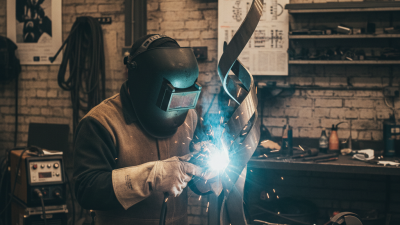
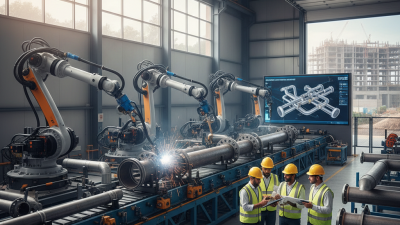
Moreover, the intricacies involved in pressure vessel fabrication require both expertise and precision. For instance, utilizing advanced welding techniques can significantly enhance product longevity. However, organizations often face challenges in maintaining quality amidst cost pressures. This balancing act can lead to trade-offs that impact overall project outcomes.
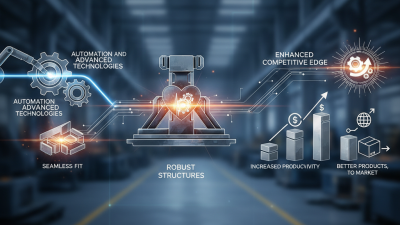
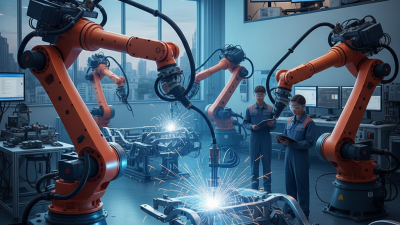
The rise of digital technologies offers new avenues for improvement. Innovative tools, such as 3D modeling and automated production lines, can streamline processes. Yet, the integration of such technologies requires a cultural shift within organizations. Firms must reflect on their current practices and adapt to changing market dynamics to stay competitive. Embracing these challenges is essential for achieving optimal results in pressure vessel fabrication.
Understanding Pressure Vessel Fabrication in a Global Context
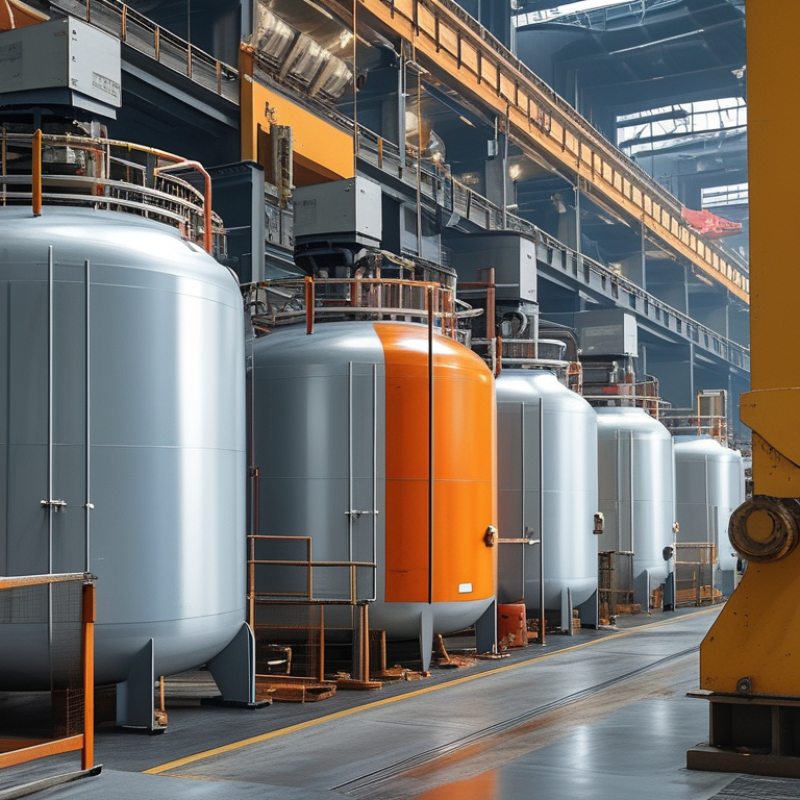
Pressure vessel fabrication is a complex process requiring precision. Understanding this process in a global context is crucial for optimizing sourcing. Different countries have varied regulations and standards. This can complicate the fabrication process. Not all manufacturers possess the same level of expertise or reliability.
When sourcing globally, it is essential to evaluate potential suppliers rigorously. Some may offer lower costs but compromise on quality. Establishing clear communication channels can help bridge cultural and operational gaps. Frequent evaluations can prevent misunderstandings. Companies often need reminders that cost-saving shouldn’t undermine safety or compliance.
Sustainability is another key aspect of global sourcing. Using environmentally friendly materials can reduce long-term impacts. However, this shift requires careful planning. Adopting new practices may be challenging. Not all suppliers prioritize sustainability, which can lead to ethical dilemmas. The balance between cost, quality, and sustainability should always be a point of reflection.
Key Factors Influencing Global Sourcing of Pressure Vessel Components
In the competitive landscape of pressure vessel fabrication, global sourcing becomes vital. Companies must evaluate key factors that influence this process, ensuring efficiency and quality. Supplier selection plays a crucial role. It's essential to consider the manufacturer's location, reputation, and production capabilities. A local supplier may reduce shipping costs but might not meet all technical specifications.
Quality assurance is another significant factor. Different regions may have varying standards for pressure vessel components. Companies should prioritize suppliers with stringent quality control measures. Engaging experts to assess these standards can lead to better sourcing decisions.
Communication is often overlooked but is key in global sourcing. Misunderstandings can arise due to language barriers and cultural differences. Establishing clear communication protocols with suppliers can mitigate risks. However, it's not always easy. Time zone differences may lead to delays in responses. Adjusting to these factors requires ongoing reflection and adaptation in sourcing strategies.
2026 Optimization of Pressure Vessel Fabrication for Global Sourcing
Strategies for Cost-Effective Pressure Vessel Production Worldwide
Pressure vessel production is critical in various industries. To optimize fabrication for global sourcing, companies must adopt strategic approaches. One effective method is leveraging local suppliers. Sourcing materials closer to the production site can reduce shipping costs and lead times. Local suppliers often understand regional regulations better, ensuring compliance and quality.
However, relying solely on local sources may pose risks. Not every region offers the same quality or availability of materials. Companies need a solid evaluation process to select reliable suppliers. Establishing partnerships is essential. Trust is built over time, but careful assessment is necessary. Qualifying suppliers based on previous performance can help mitigate risks.
Technology also plays a significant role. Implementing digital tools can streamline operations and enhance collaboration. Real-time data sharing allows teams to respond quickly to changes. Yet, not every company is ready for a tech overhaul. Training and adaptation can be challenging. Companies must reflect on their readiness for such changes. Balancing technology with traditional methods might be the key to sustainable success in pressure vessel fabrication.
Quality Assurance Practices in Global Pressure Vessel Manufacturing
In today’s global marketplace, quality assurance in pressure vessel manufacturing is paramount. Various factors influence quality, including materials, fabrication techniques, and final inspections. Implementing standardized practices ensures that each stage of production meets stringent safety and performance criteria.
Many companies face challenges when they source materials and labor internationally. Discrepancies in workmanship and variations in local standards can lead to significant issues. Remote audits and regular inspections help maintain quality throughout the supply chain. However, even with stringent checks, errors can still occur, highlighting the need for continuous improvement.
Investing in staff training is crucial. Skilled workers ensure high-quality outputs, yet training programs can be inconsistent across different regions. Communication barriers may lead to misunderstandings, affecting the final product's integrity. Regular feedback loops and collaborative problem-solving sessions can foster a culture of quality assurance, but organizations must be willing to address shortcomings openly.
2026 How to Optimize Pressure Vessel Fabrication for Global Sourcing? - Quality Assurance Practices in Global Pressure Vessel Manufacturing
| Dimension |
Material Used |
Manufacturing Process |
Quality Assurance Method |
Country of Source |
| 10,000 liters |
Carbon Steel |
Welding |
Ultrasonic Testing |
China |
| 5,000 liters |
Stainless Steel |
Casting |
Radiographic Inspection |
India |
| 20,000 liters |
Alloy Steel |
Forging |
Visual Inspection |
Germany |
| 7,500 liters |
Copper Nickel |
Bending |
Magnetic Particle Inspection |
USA |
| 15,000 liters |
Titanium |
Spinning |
Destructive Testing |
Japan |
Emerging Technologies Impacting Pressure Vessel Fabrication Efficiency
Emerging technologies are transforming pressure vessel fabrication efficiency. Advanced automation is at the forefront of these changes. By implementing robotic welding and machining, manufacturers can reduce production times. According to a recent report by the American Welding Society, automated processes can enhance weld quality and cut cycle times by up to 30%.
Digital twins are another innovative solution. They allow for real-time monitoring and simulation of the fabrication process. As noted in a study by the National Institute of Standards and Technology, this technology can improve overall efficiency by identifying bottlenecks before they occur. However, reliance on software also presents challenges. Companies must invest in training to maximize these tools.
Additive manufacturing, or 3D printing, introduces new possibilities. It enables the production of complex geometries not possible with traditional methods. A report from the International Journal of Pressure Vessels revealed potential material savings of 50%. Nonetheless, quality control in these processes can be inconsistent. Continuous development and validation remain crucial for optimal outcomes.