

Precast concrete production depends on repeatable setups, clean mould edges, and secure formwork. A Shuttering Magnet helps hold side forms in position on a steel casting bed without drilling or welding. Its magnetic force supports fast placement, while the switch or release mechanism allows crews to reposition it between pours. Small details matter: a magnet that sits flat on a clean bed can reduce movement when concrete is placed and vibrated.
A practical principle for this guide is: “Choose the magnet for the formwork load and casting conditions, not by holding force alone.” This is an editorially composed expert takeaway, not a verified quotation from a named specialist. Real operating conditions vary. Form height, vibration, bed condition, and magnet spacing all affect performance. A setup that works for a short wall panel may not suit a taller, heavier form.
This article examines why precast teams choose Shuttering Magnet systems, how they support flexible mould layouts, and what to check before selection. It also considers limitations. Magnets need suitable steel contact, regular cleaning, and careful handling. They are useful tools, not substitutes for sound formwork design or production checks. The goal is straightforward: understand where they save setup time, and where a closer review is needed.
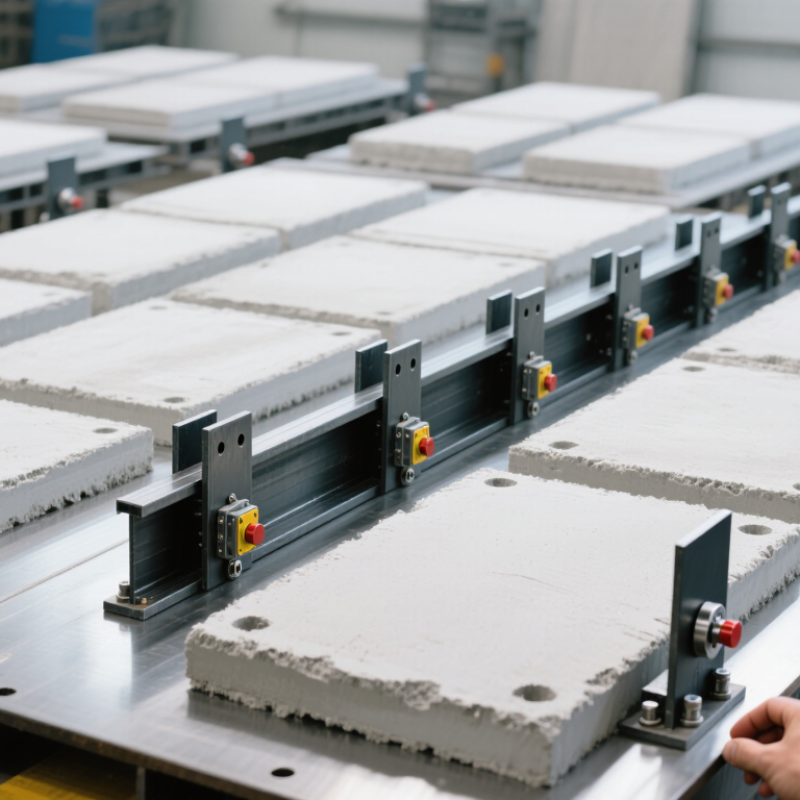
Shuttering magnets are compact assemblies that secure formwork to a steel casting bed during precast concrete production. A typical unit contains permanent magnets inside a steel housing, with a switch or lever to activate and release the magnetic hold. The housing often attaches to a formwork profile, keeping the mould in position without drilling into the bed.
When activated, the magnets direct their force through the housing and into the steel surface beneath them. That contact helps resist movement as concrete is placed and vibrated.
No drilling required.
Operators position the form, engage the magnets, then check alignment and end joints before pouring. A clean, flat bed matters: rust flakes, concrete residue, or a small gap can reduce effective holding force.
In practice, a quick visual check is easy to skip, especially during a busy production run. It is still worth doing.
Magnet capacity must suit the formwork design and expected loads; the magnets alone do not guarantee a leak-free mould or correct alignment.
After curing, operators release the units and inspect them for wear or trapped debris.
Shuttering magnets secure formwork by pressing steel side rails firmly against a precast bed. Their magnetic force holds the rails in position without drilling or welding. This helps keep the casting area clear and makes form adjustments easier between pours. Small details matter.
Before placement, crews should remove loose concrete, dust, and oil from the bed’s contact surface. A thin layer of debris can reduce contact and allow a rail to shift. Set each magnet at the spacing required by the formwork design, then engage its locking mechanism. Check the rail’s line and height with a straightedge or measuring tool. Do not assume it is aligned just because the magnet feels tight.
During pouring, concrete pressure and vibration can test the setup. Use magnets rated for the application, and follow the system’s load guidance rather than relying on appearance. Watch for movement as concrete is placed, especially near corners and joints. Even careful crews can miss a small gap. That is worth reflecting on: magnets hold the form, but they cannot correct a warped rail or an uneven bed. After curing, release them with the intended tool, not by striking the formwork.
How magnets secure formwork on precast beds
Shuttering magnets attach formwork to a compatible steel casting bed, helping hold panels in position without drilling or welding. The bars show example nominal holding-force classes, not test results or a universal product range. Actual force depends on the magnet design, steel contact, surface condition, and loading direction; check the rated specification for the application.
Why Choose Shuttering Magnets for Precast Concrete?
Key Benefits for Precast Concrete Production
Shuttering magnets hold steel formwork in position on a casting bed without drilling or welding. Operators can place a unit, engage its switch, and check the panel line before pouring. This setup can reduce layout time, especially when a production run uses several panel sizes. Fewer drilled holes also mean less patching and fewer points where slurry can leak. On a busy floor, small gains matter. Less rework.
Their clamping force helps resist movement from concrete pressure and vibration, supporting straighter edges and more consistent dimensions. Magnets can be repositioned between pours, allowing crews to adjust a bed without rebuilding its framework. This is useful for custom openings, door recesses, and changing panel widths. Still, performance depends on clean contact surfaces, correct placement, and suitable formwork. Paste or rust beneath a magnet can weaken its hold; this detail is easy to overlook. A practical routine includes wiping the bed, checking release mechanisms, and confirming alignment before each pour. Magnets do not replace sound engineering or inspection, but they can make repeatable setup easier. Some crews may find handling them awkward at first. A short trial can help refine spacing and lifting habits.
Why Choose Shuttering Magnets for Precast Concrete?
Factors to Consider When Selecting Shuttering Magnets
Selecting shuttering magnets starts with the loads they must resist, not the largest force printed on a data sheet. ACI 347R-14, Guide to Formwork for Concrete, identifies placement rate, concrete temperature, and mixture properties as factors affecting fresh-concrete pressure. For a practical reference, concrete at 2,400 kg/m³ creates about 23.5 kPa of hydrostatic pressure per metre of depth. This is an estimate, not a complete formwork design. Small details matter. Vibration and fast placement can increase demands, while gaps or uneven steel surfaces can reduce a magnet’s effective grip.
Check the panel’s steel thickness, flatness, and cleanliness against the magnet’s tested conditions. Then consider sliding, overturning, and handling forces, not only direct pull-off force. Leave a safety margin and confirm the layout with a load calculation or a controlled trial on the actual form. Temperature and repeated use matter too; concrete residue can prevent full contact. A magnet that performs well on a clean test plate may behave differently on a worn panel. That is easy to overlook. Compare test data, release mechanism, and access for safe removal. When placement conditions are uncertain, ask the formwork engineer to review the assumptions before production.
Across precast projects, shuttering magnets secure side forms to steel casting beds without drilling or welding. They are used for wall panels, floor slabs, beams, columns, stair units, and balcony elements. On a wall-panel line, crews can position a side rail, check dimensions, then lock it down with a magnet. Small adjustments matter. A few millimeters can affect panel edges and later assembly. Magnets also help with repeat production, where the same form layout returns each shift. For openings, recesses, and narrow edge forms, compact units can keep the setup tidy, though unusual shapes may still need brackets or extra support.
Sandwich panels often use magnets to hold perimeter rails and internal block-outs during casting. They can also support adjustable forms for varied panel widths. The right choice depends on form weight, concrete pressure, bed condition, and vibration. Clean contact surfaces are essential; dried paste or grit can reduce holding performance. Test the arrangement before pouring, and follow the manufacturer’s load guidance. Not every setup is ideal. Magnets can speed changes, but they do not replace sound formwork design or careful inspection. Crews may need a trial run to find spacing that stays secure without slowing release. That extra check can feel fussy. It is often cheaper than correcting a chipped edge or misaligned insert.
Contact Us
Pemamek Ltd