How to Choose the Right Container Forming Machine for Your Business?
Choosing the right container forming machine is essential for maximizing efficiency in production lines. In recent years, the global container forming machine market has seen a significant growth rate, projected to reach $5 billion by 2025 according to industry reports. This growth emphasizes the importance of making an informed choice.
Industry expert Dr. Elena Rodriguez, a well-respected figure in packaging technology, states, “Selecting the appropriate container forming machine can drastically improve your operational workflows and reduce costs.” Her insights reflect the need for businesses to consider various factors carefully. These include machine versatility, production speed, and the types of materials being handled.
However, the decision-making process is often challenging. Many businesses overlook crucial details, like the compatibility of the machine with existing equipment. Adequate research and understanding can prevent costly mistakes and enhance productivity. Investing time in evaluating options can yield substantial benefits in the long run. Ultimately, the right container forming machine can be transformative for your operations.
Understanding Container Forming Machine Types and Technologies
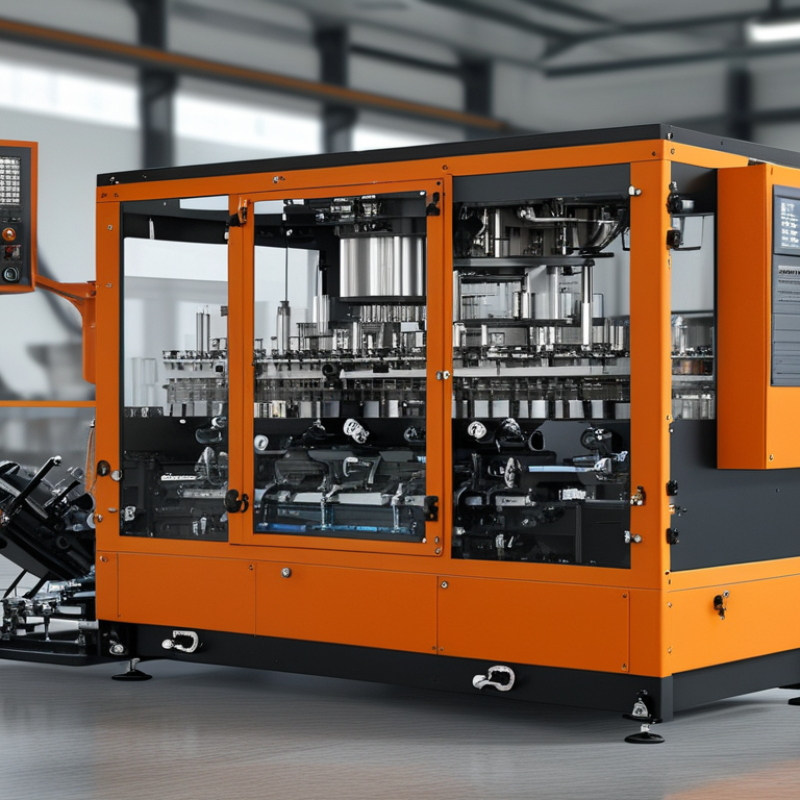
Container forming machines come in various types, each designed for specific applications. It's crucial to understand these differences to choose the right one. For instance, thermoforming machines heat plastic sheets and mold them, perfect for creating drink cups or packaging. In contrast, injection molding machines inject molten materials into molds, offering precision for complex shapes. Understanding these technologies gives you a clearer vision of your production needs.
When selecting a machine, evaluate your production volume and the material types you plan to use. Some machines excel with certain materials while struggling with others. For example, a blow molding machine is ideal for hollow containers, while a compression molding machine is better suited for solid shapes. It's essential to assess your target market and ensure your machine can meet those demands effectively.
Reflecting on past experiences can also inform your choice. Consider any challenges you've faced with previous equipment. This can highlight areas for improvement, such as efficiency or production speed. Stay updated on technological advancements too; machines are continually evolving. Investing time in research can lead to more informed decisions.
Container Forming Machine Types and Their Popularity
Key Factors in Selecting the Right Capacity for Your Business Needs
Choosing the right container forming machine requires careful consideration of your business's capacity needs. The production capacity directly influences your operational efficiency and profitability. A report from the Container Manufacturers Association indicates that companies with machines capable of producing over 10,000 units per day show a 25% higher profit margin compared to those that produce fewer.
When selecting a machine, assess your current and projected demand. If your business anticipates growth, investing in higher capacity machinery can prevent bottlenecks. A smaller machine may save initial costs, but could lead to longer lead times. According to industry insights, 40% of businesses regret opting for lower capacity to save money. These choices lead to unexpected delays and lost sales opportunities.
Consider also the machine's versatility. Some models adjust production speed and output based on demand fluctuations. This flexibility helps manage costs effectively. A study found that adaptable machines reduced operational costs by 15% for companies during peak seasons. Evaluate your specific requirements and future plans to ensure that your investment aligns with your strategic objectives.
Evaluating Production Speed: Balancing Efficiency and Quality Standards
Choosing the right container forming machine requires careful evaluation of production speed. Efficiency is vital, yet it shouldn't compromise quality. According to a recent industry report, over 20% of manufacturers reported quality issues as a direct consequence of prioritizing speed. This underscores the importance of balancing both elements.
Production speed can range widely among different machines. Some high-speed models can produce up to 600 containers per minute. However, many experts suggest that aiming for a slightly lower output, around 400 containers per minute, leads to better quality control. Machines operating at this speed tend to have fewer defects, as there is more time for monitoring and adjustments during production.
Additionally, the technology used in these machines significantly impacts both speed and quality. Integrating smart sensors can optimize production rates while maintaining standards. Yet, some manufacturers hesitate to adopt such technologies due to initial costs. This reluctance can lead to missed opportunities for improved efficiency and product quality. Continual reflection on production processes is crucial for businesses aiming to enhance their operational effectiveness while upholding rigorous quality standards.
Cost Analysis: Initial Investment vs. Long-Term Operational Expenses
Choosing the right container forming machine involves more than just the purchase price. Initial investments can be significant. However, long-term operational expenses often outweigh these costs. Businesses need to consider energy consumption, maintenance, and workforce requirements. Ignoring these factors can lead to unexpected financial strains.
Operational expenses can accumulate rapidly. For instance, energy-efficient machines may cost more upfront, but they offer savings over time. Regular maintenance is another critical factor. Machines that require frequent repairs can eat into profits. Additionally, an ideal machine should be easy to operate. Complex machinery may necessitate skilled labor, increasing labor costs.
An accurate cost analysis can be a challenge. Real expenses may differ from initial quotes. Businesses should track performance over time. Analyze downtime and repair costs. Reflect on actual operational costs versus forecasts. This can provide valuable insights. A detailed evaluation helps in making informed decisions for sustainable growth.
Industry Trends and Innovations in Container Forming Machinery
The container forming machinery industry is evolving. Recent advances focus on efficiency and sustainability. Manufacturers are now prioritizing machines that minimize waste and energy consumption. They aim for reliable performance while reducing the environmental footprint. This shift reflects a broader trend towards eco-friendly practices in the manufacturing sector.
Innovations in technology play a significant role in this transformation. Automation in container forming machines enhances precision and speed. Smart technologies, like IoT integration, allow real-time monitoring. However, not every business can adapt quickly. Some may struggle to integrate these advanced systems. It’s essential to balance innovation with practical capabilities. This balance often reveals gaps in operational readiness.
As the competition increases, investing in the right technology is crucial. Businesses must analyze their unique needs and capabilities. Overlooking these factors can lead to costly mistakes. The growth of container forming machinery will likely continue. Yet, companies should invest thoughtfully, considering future needs and market trends. Ensuring alignment with innovation and practical application will determine long-term success.