

7 Butterfly Valve Buying Tips for Global Buyers

Choosing a Butterfly Valve for an international project can look simple on a product page. Yet a mismatch in seat material, pressure rating, or connection type may lead to leakage, delays, or expensive rework. Small details matter. A low unit price is only one part of the decision. Buyers also need to confirm that the valve suits the fluid, temperature range, operating cycle, and installation conditions.

These seven buying tips focus on practical checks that help reduce uncertainty. Compare body and disc materials against the actual service environment. Review pressure and temperature limits, connection dimensions, actuator needs, and available test records. Ask suppliers for clear drawings and product documentation, not just a short catalogue description. Check production capacity, inspection steps, packaging, shipping terms, and after-sales support. A sample or reference project can be useful, but it does not replace checking the specifications for your own system.

Global purchasing adds another layer. Time zones, communication gaps, transport damage, and differing documentation practices can complicate an otherwise sound order. Put key requirements in writing and confirm them before production begins. Ask direct questions when an answer seems vague. No checklist removes every risk. And a polished quotation is not proof of suitability. It is worth pausing over assumptions, especially when replacing an existing valve: the old unit may not have been correctly selected either. With careful comparison, buyers can make a more informed choice and avoid treating the Butterfly Valve as a commodity alone.
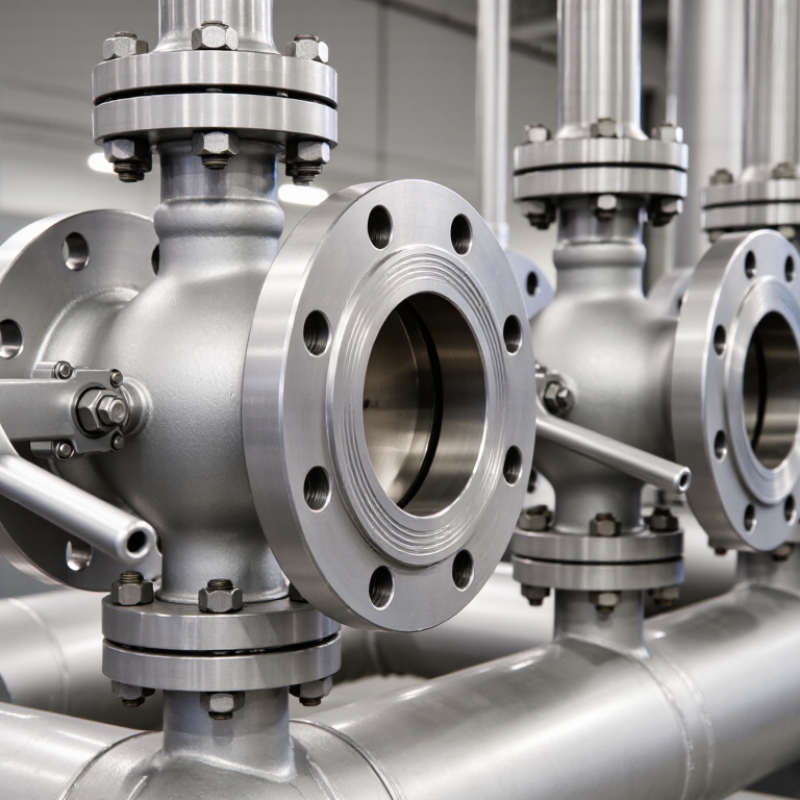
7 Butterfly Valve Buying Tips for Global Buyers

Define the Operating Conditions and Valve Requirements

Before requesting quotations, map the valve’s actual operating conditions. Note the fluid, temperature range, pressure, flow direction, and whether it carries grit or fibers. A clean-water line at steady pressure is very different from a slurry line that cycles throughout the day. Record both normal and peak conditions; design decisions based only on averages can miss important stresses.

Tip: Share a simple operating profile with suppliers: “water with fine solids, 5–45°C, 6 bar, frequent cycling.” Include pipe size, connection type, and available installation space. Small details matter. If conditions vary by season or process stage, say so rather than choosing one convenient number.

Then define what the valve must do. Specify shutoff expectations, opening frequency, manual or automated operation, and any required fail position. Check that the body, disc, shaft, and seat materials suit the fluid and temperature. Ask for pressure ratings and compatible face-to-face dimensions, too. A larger actuator is not automatically safer; torque needs depend on pressure, seat design, and service conditions. These records are rarely perfect, and that is worth acknowledging. Flag unknowns and ask the supplier to identify assumptions before selection.

7 Butterfly Valve Buying Tips for Global Buyers — Define Operating Conditions and Valve Requirements

Example Operating Conditions vs. Design Limits

This illustrative water-service case uses buyer-defined design limits of 10 bar(g) and 80°C. Normal operation is 6 bar(g) and 45°C; peak operation is 9 bar(g) and 75°C. Confirm pressure and temperature ratings, materials, media compatibility, and applicable standards for the specific valve before purchase.

Select the Butterfly Valve Type and Suitable Materials

A butterfly valve’s type should match the pipe layout, operating pressure, and maintenance plan. Wafer valves fit between flanges and suit many compact installations. Lug-style valves can support end-of-line service when the design allows it. For larger pipes or demanding conditions, a double-flanged body may offer a more suitable connection. Check the valve’s pressure and temperature limits against actual operating data, not just typical conditions.

Material choice depends on the fluid and the full operating range. A ductile iron body may suit many water systems, while stainless steel can better resist some corrosive environments. The disc, stem, and seat also need attention: an incompatible liner or elastomer can wear, swell, or leak. Small details matter. Do not guess. Confirm chemical compatibility and review technical documentation with a qualified supplier, especially when the fluid contains solids or the temperature varies.

Tip

Share the fluid composition, temperature range, pressure, pipe size, and connection standard when requesting a quote. If some details are uncertain, say so; assumptions can lead to the wrong selection. I have seen buyers focus on the body material and overlook the seat, which can be the weak point. Recheck the complete assembly before ordering.

Verify Pressure Ratings, Standards, and Certifications

For a butterfly valve, the pressure rating must match the actual service—not just the number on a sales sheet. Check the maximum working pressure at the operating temperature, since seat materials and body design can limit performance. Also confirm whether the stated rating applies to the valve body, the shut-off differential, or both. These figures are not always interchangeable. A valve facing frequent pressure surges may need a different selection than one in steady, low-pressure water service.

Tip: Ask for the pressure-temperature table, not only a headline rating. Match the end connection and test requirements to the piping specification. Relevant documents may reference standards such as API 609, EN 593, or ISO 5208, depending on valve type and project requirements. Confirm the standard’s edition and scope; a familiar number alone proves little.

Request certificates tied to the exact model and materials being offered. Check that the manufacturer, test date, traceability details, and inspection results are clear. For critical service, verify whether independent inspection is required and who will perform it. A certificate can look convincing and still leave gaps. I would pause if documents describe a similar valve rather than the supplied one. Also, avoid assuming that one approval automatically satisfies every destination or industry requirement; confirm the project specification with the responsible engineer.

Assess Manufacturer Quality and Technical Support

A butterfly valve’s price and delivery date matter, but they do not prove that its maker can deliver consistent quality. Ask for material certificates, dimensional drawings, and documented pressure-test results for the exact valve configuration. Check whether serial numbers connect finished valves to inspection records. Ask for evidence. A clear, traceable answer is more useful than a glossy brochure.

Review how the manufacturer controls casting, machining, assembly, and final inspection. If possible, request recent quality records or arrange a qualified supplier audit. Confirm that the proposed seat, disc, and body materials suit your fluid, temperature, and operating conditions. Ask how the supplier verifies leakage performance and applicable design requirements. A test report should identify the tested model and acceptance criteria, not just show a passing stamp.

Technical support matters after shipment, too. Ask whether engineers can help check sizing, flow conditions, actuator torque, and installation details. Request a realistic response time and a named contact for commissioning questions. Clear spare-parts lists and maintenance instructions can prevent avoidable delays. That matters. Still, no checklist catches everything; site conditions can surprise even a careful team. Share operating data early, and keep written records of assumptions and answers. A supplier that admits a limitation and explains the next step may be more dependable than one that promises everything.

Compare Total Costs, Delivery, and Export Logistics

A low unit price does not always mean a lower buying cost. Compare the valve price with freight, packing, customs documentation, insurance, and any inspection fees. Ask whether the quote covers the actuator, mating parts, and spare seals. Small details matter. For example, a heavier-than-expected crate can change the shipping charge, while unclear flange dimensions may cause costly delays at installation. Request a written breakdown and confirm the currency, quote validity, and payment milestones.

Delivery promises need checking, too. Ask for the production lead time, dispatch date, and estimated transit time separately. A shipment may leave on schedule but still miss your project window if port handling takes longer than expected. For export logistics, confirm the delivery term, final destination, crate dimensions, gross weight, and required shipping documents before placing the order. Share your site’s unloading limits; a large crate may need lifting equipment. Keep a buffer. I have seen careful buyers focus on transit days and overlook local delivery arrangements. That is an easy mistake to make, and a useful one to question before confirming the purchase.

7 Butterfly Valve Buying Tips for Global Buyers - Compare Total Costs, Delivery, and Export Logistics

Buying Tip What to Compare Practical Checks Cost, Delivery, or Logistics Impact
1. Compare landed cost, not unit price Valve price, actuator and accessories, inspection, packaging, freight, insurance, import duty, taxes, and local handling. Request a line-item quotation and compare offers using the same valve specification, quantity, destination, and Incoterms® 2020 rule. A lower quoted valve price may not mean a lower delivered cost. Confirm which charges are included and which are payable by the buyer.
2. Match valve design to the pipeline Wafer, lug, or double-flanged body; face-to-face dimensions; connection type; and available installation clearance. Check the mating flange standard, pressure class, bolt pattern, pipe size, and whether the line requires dead-end service. Confirm lug-valve suitability with the manufacturer for the specified pressure and installation. Correct dimensions help avoid adapters, rework, and installation delays. Body style and pressure rating can affect price, weight, and freight volume.
3. Verify materials against the process fluid Body, disc, stem, seat, and seal materials, considering fluid composition, concentration, temperature, and cleanliness. Ask for a material list and compatibility confirmation for the actual service. For example, elastomer suitability depends on both the chemical and operating conditions; do not select by material name alone. Material choices affect initial price, expected service life, maintenance needs, and replacement-part availability.
4. Confirm pressure, temperature, and testing requirements Operating and shut-off pressure, temperature range, pressure-temperature limits, leakage acceptance, and inspection scope. Check the applicable product and test requirements in the purchase specification. API 609 and EN 593 are commonly referenced butterfly-valve standards; ISO 5208 and API 598 are commonly used valve testing standards. Confirm the exact edition and scope required. Higher ratings, special testing, witness inspections, or additional documentation may affect quotation price and production schedule.
5. Size the actuator and accessories correctly Manual lever or gear operator, pneumatic or electric actuator, fail-safe position, control signal, voltage, and required accessories. Provide the valve torque requirements and operating conditions. Check actuator mounting compatibility; ISO 5211 specifies a mounting interface for part-turn actuators, but the complete assembly still needs to be verified. A complete, matched assembly can reduce installation work. Actuator selection can materially affect price, package dimensions, power requirements, and lead time.
6. Get a delivery schedule with defined milestones Manufacturing lead time, inspection and test time, packing time, dispatch date, transit estimate, and any required approval stages. Ask whether the quoted schedule starts after order confirmation, drawing approval, or receipt of payment. Confirm the production quantity, delivery destination, and whether the estimate is for dispatch or arrival. Clear milestones make project planning more reliable. Custom materials, actuators, testing, and peak shipping periods can change the schedule.
7. Check export documents and shipment terms Commercial invoice, packing list, transport document, certificate of origin when required, inspection records, and any destination-specific certificates. Agree the Incoterms® 2020 rule and named place in the quotation. Confirm who books freight, handles export clearance, arranges insurance, and completes import clearance. Verify tariff classification and document requirements with the destination-country customs authority or broker. Incomplete documents or unclear responsibilities can lead to customs delays and extra charges. Confirm packing dimensions and gross weight before booking transport.

Note: Costs, lead times, customs duties, and document requirements vary by specification, order quantity, route, and destination. Obtain project-specific quotations and verify applicable standards and import rules before placing an order.

Contact Us