Selecting the right welding materials is not a simple purchasing task. It affects joint strength, production speed, worker safety, and long-term maintenance costs. A low-priced electrode may appear attractive, yet poor storage or unsuitable chemistry can create porosity, cracking, and costly rework.
Industry forecasts show continued demand. Fortune Business Insights valued the global welding materials market at about USD 13.35 billion in 2023. Its report projects the market could reach approximately USD 20.91 billion by 2032. MarketsandMarkets reports different figures, reflecting varied definitions of consumables, equipment, and regional coverage. The gap matters. Buyers should question market estimates, not copy them blindly.
Material performance remains the central issue. Professor John C. Lippold describes weldability as “the capacity of a material to be welded under the imposed fabrication conditions into a specific, suitably designed structure.” That definition highlights an often-missed point: no welding material is universally best. Carbon steel may require different fluxes, wires, and shielding gases than stainless steel or aluminum. A humid warehouse can also damage flux-coated electrodes before production begins.
The 10 Best Welding Materials for Global Buyers compares practical options across these conditions. It considers tensile strength, corrosion resistance, deposition efficiency, storage needs, certification, and supply reliability. Data from the International Energy Agency and the World Steel Association also show why infrastructure and manufacturing demand remain important market drivers. Still, product claims need independent verification. Regional standards, operator skill, and actual joint design can change the result. That is where careful testing beats confident assumptions.
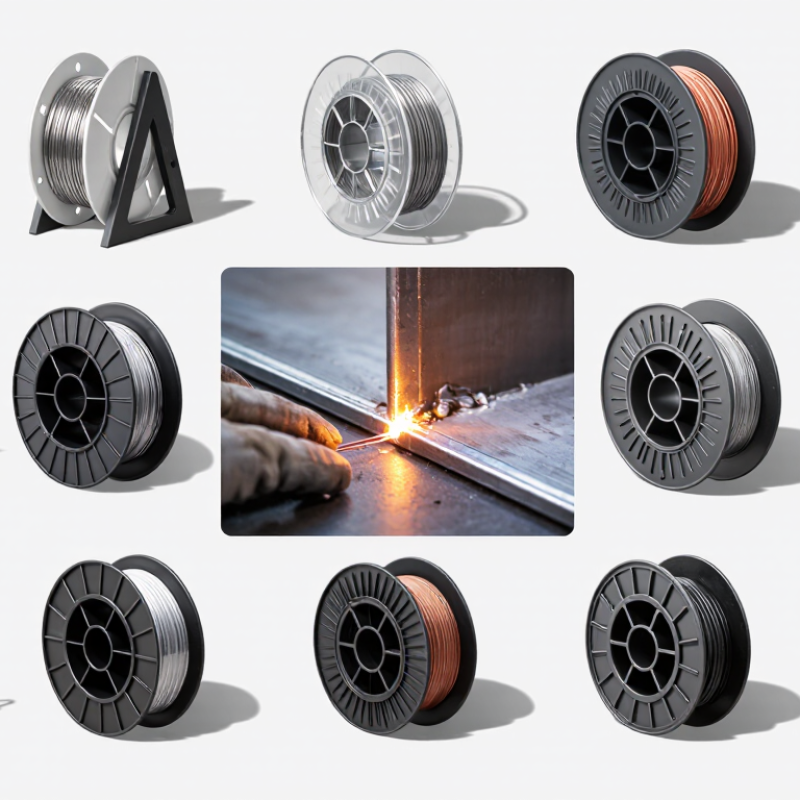
Welding materials are the products used to join, protect, prepare, or finish metal. Global buyers usually classify them by function, form, and base-metal compatibility. Consumables include electrodes, solid wires, flux-cored wires, and filler rods. Shielding gases protect the molten weld from air. Abrasives, cleaners, and backing materials support preparation and finishing.
Classification is rarely perfectly uniform. A filler rod may be grouped by alloy, diameter, welding process, or international standard. Buyers should check tensile strength, chemical composition, coating type, and recommended welding position. Stainless steel, carbon steel, aluminum, and heat-resistant alloys require different material choices. A low price can hide poor coating consistency or unstable feeding. I have seen product descriptions that looked complete but lacked batch traceability. That creates avoidable inspection problems.
Tips: Build a clear purchasing sheet before requesting quotations. Include base metal, thickness, process, diameter, package weight, and required certificates. Ask for test reports and storage conditions. Confirm whether documents match the shipment, not only the sample. Local standards also matter, and one certificate may not satisfy every market. Leave room for review; classification can change when the application, climate, or welding position changes.
10 Best Welding Materials for Global Buyers
How to Match Welding Materials With Different Metal Applications
Selecting welding materials starts with the base metal, not the product label. In practical fabrication work, I check the alloy, thickness, joint design, and service environment before choosing consumables. Mild steel commonly suits solid wire or coated electrodes with compatible strength. Thin sheet needs controlled heat, or burn-through may occur.
Stainless steel requires filler metal that matches its corrosion and strength requirements. A mismatched filler can discolor the joint or reduce durability. Aluminum usually needs clean surfaces, suitable wire, and stable shielding gas. Its high thermal conductivity can make the weld pool change quickly. Slow preparation causes trouble.
Cast iron demands caution because it can crack from rapid heating and cooling. Nickel-based electrodes may help, but preheating and gradual cooling remain important. Copper transfers heat aggressively, so higher energy input and careful joint preparation are often necessary. Galvanized steel needs coating removal near the weld area and strong ventilation. The coating can create hazardous fumes.
For outdoor structures, moisture-resistant electrodes and sealed storage matter. For pressure-related applications, buyers should verify qualified procedures, testing records, and mechanical requirements. I have seen technically correct materials fail because storage was ignored. That detail is easy to underestimate. Material certificates, lot tracking, and supplier competence improve purchasing reliability. Yet no universal filler works for every workshop, especially when operators, machines, and local conditions differ.
10 Best Welding Materials: Uses, Benefits, and Limitations
Mild steel remains a practical choice for frames, brackets, machinery, and general fabrication. It welds easily and costs less than many alternatives. Its limitation is poor corrosion resistance without paint, coating, or careful storage. Stainless steel suits food equipment, piping, and outdoor structures. It resists rust and creates clean-looking joints. Excessive heat can cause distortion or reduce corrosion performance. Aluminum is useful for vehicle parts, marine structures, and lightweight frames. It offers low weight and good conductivity. However, its oxide layer demands thorough cleaning and controlled technique.
Cast iron works for engine housings, machine bases, and older repairs. It handles compression well, but cracking remains a serious risk. Preheating and slow cooling may help. Copper transfers heat quickly, making it valuable for electrical components and heat exchangers. That same property makes welding difficult. Brass provides attractive fittings and workable machining characteristics. Zinc fumes require strict ventilation and sensible process control. Titanium offers high strength with low weight. It needs exceptional shielding because contamination can weaken the joint. It is not forgiving. Nickel alloys perform well under heat, pressure, and corrosive service. They cost more and often require specialized procedures.
Low-alloy steel supports bridges, pressure equipment, and heavy structures. Its strength is useful, though hydrogen-related cracking needs careful control. Flux-cored wire improves deposition rates and outdoor productivity. Wind can disrupt shielding, however. Welding rods remain dependable for repair work and remote fabrication. Moisture can damage their performance. In practice, the “best” choice depends on thickness, joint design, service temperature, and operator skill. I have seen a cheap material become expensive after repeated repairs. Specification checks should happen before purchasing, not after failure.
| Material | Typical Welding Processes | Common Applications | Key Benefits | Main Limitations | Preparation and Quality Considerations | Relative Weldability |
|---|---|---|---|---|---|---|
| Mild Carbon Steel | GMAW/MIG, SMAW, GTAW/TIG, FCAW, SAW | Structural frames, machinery, pressure vessels, automotive parts, general fabrication | Widely available; relatively low cost; good strength; compatible with many filler metals and welding processes | Can corrode without protection; higher-carbon grades may crack in the heat-affected zone; distortion is possible on thin sections | Remove oil, paint, rust, and moisture. For thicker or higher-carbon sections, preheating and controlled interpass temperature may be required. | High |
| Stainless Steel | GTAW/TIG, GMAW/MIG, SMAW, FCAW | Food-processing equipment, chemical tanks, piping, architectural components, medical and marine equipment | Good corrosion resistance; attractive finish; available in austenitic, ferritic, martensitic, and duplex grades | Higher material and filler cost; heat tint can reduce surface corrosion resistance; distortion and sensitization may occur if heat input is poorly controlled | Use dedicated stainless tools to avoid iron contamination. Select filler metal according to the specific grade and service environment. Clean and passivate when required. | Medium to High |
| Aluminum Alloys | GTAW/TIG, GMAW/MIG, specialized friction welding | Transportation structures, heat exchangers, marine components, storage tanks, lightweight frames | Low density; good electrical and thermal conductivity; natural oxide film provides corrosion resistance; suitable for lightweight designs | High thermal conductivity increases heat demand; oxide layer has a much higher melting point than the base metal; hot cracking, porosity, and distortion can occur | Remove the oxide layer and contaminants immediately before welding. Use appropriate shielding gas, clean wire, correct polarity, and controlled heat input. | Medium |
| Copper and Copper Alloys | GTAW/TIG, GMAW/MIG, brazing, resistance welding | Electrical busbars, cables, plumbing, heat exchangers, power-generation components | Excellent electrical and thermal conductivity; strong corrosion resistance; good ductility in many grades | Rapidly conducts heat away from the joint; may require high heat input or preheating; some alloys are susceptible to porosity or hot cracking | Clean thoroughly and use a joint design suitable for heat flow. Select filler metal based on alloy chemistry, conductivity requirements, and service conditions. | Medium |
| Cast Iron | SMAW, GTAW/TIG, brazing, cold-repair welding methods | Engine blocks, pump housings, machine bases, gearboxes, industrial castings | Good compressive strength; excellent wear and vibration-damping characteristics; repair welding can extend component life | Brittle structure; high risk of cracking and hard heat-affected zones; residual stress can cause delayed failure | Identify the cast-iron grade, remove damaged material, preheat when appropriate, use short weld passes, and control cooling carefully. Post-weld machining may be necessary. | Low to Medium |
| Galvanized Steel | GMAW/MIG, FCAW, SMAW, resistance welding | Building components, guardrails, HVAC systems, agricultural equipment, light structural products | Zinc coating provides sacrificial corrosion protection; steel substrate offers good strength and availability | Zinc fumes are hazardous when inhaled; coating damage near the weld can reduce corrosion protection; porosity and spatter may increase | Remove coating locally where practical, provide strong ventilation, and use appropriate respiratory protection. Repair exposed areas with a suitable corrosion-protection system. | Medium |
| Nickel-Based Alloys | GTAW/TIG, GMAW/MIG, SMAW, pulsed-arc welding | Chemical-processing equipment, gas turbines, high-temperature components, power-generation systems | Excellent resistance to heat, oxidation, corrosion, and many aggressive chemicals; retains strength at elevated temperatures | High cost; comparatively difficult to machine and weld; susceptible to hot cracking, lack of fusion, and contamination-related defects | Maintain strict cleanliness, use compatible filler metal, control heat input, and protect the weld from drafts and atmospheric contamination. Procedure qualification is often essential. | Medium |
| Titanium Alloys | GTAW/TIG, plasma arc welding, electron-beam welding, laser welding | Aerospace structures, chemical equipment, medical devices, marine components, high-performance assemblies | High strength-to-weight ratio; excellent corrosion resistance; maintains useful properties across a broad temperature range | Very sensitive to oxygen, nitrogen, hydrogen, and moisture at welding temperatures; requires high cleanliness and specialized shielding; relatively expensive | Use an inert, high-purity shielding arrangement for the weld pool and heated zones. Reject welds showing gray, blue, or other signs of excessive contamination. | Low to Medium |
| Duplex Stainless Steel | GTAW/TIG, GMAW/MIG, FCAW, SMAW | Offshore structures, desalination plants, chemical piping, pressure equipment, oil and gas systems | High strength; strong resistance to chloride stress-corrosion cracking; useful combination of austenitic and ferritic properties | Incorrect heat input or cooling rate can disturb the phase balance; excessive ferrite or harmful intermetallic phases may reduce performance | Follow qualified welding procedures, control interpass temperature, use suitable filler metal, and avoid excessive heat input or unnecessary post-weld heating. | Medium |
| Hardfacing Alloys | SMAW, FCAW, GMAW/MIG, PTA, thermal-spray-related deposition methods | Mining tools, agricultural wear parts, crushers, valves, pumps, earthmoving equipment | Improves resistance to abrasion, impact, erosion, or metal-to-metal wear; can reduce replacement frequency and restore worn dimensions | Deposits may be brittle; cracking can be intentional in some formulations but unacceptable in others; machinability is often limited | Match alloy type to the dominant wear mechanism. Prepare the substrate properly, use buffer layers when required, and control dilution, preheat, and cooling. | Medium |
Note: Welding performance depends on the exact alloy grade, thickness, joint design, filler metal, welding procedure, heat treatment, and applicable safety standards. Always validate the selected material through a qualified welding procedure and inspection plan.
When global buyers compare the 10 best welding materials, quality means more than a clean surface. Carbon steel, stainless steel, aluminum, copper, nickel alloys, titanium, cast iron, low-alloy steel, duplex steel, and heat-resistant alloys each suit different conditions. Check chemical composition, tensile strength, impact performance, weldability, and corrosion resistance. A bright finish can hide poor internal quality.
Ask suppliers for mill test certificates, batch numbers, heat numbers, and full traceability. ISO 9001 supports quality management, while ISO 3834 focuses on welding quality requirements. Depending on the project, buyers may also need ASTM, ASME, AWS, or EN compliance. These standards are not interchangeable. Confirm the exact grade, testing method, certificate scope, and issuing laboratory. Independent inspection can expose inconsistencies before shipment. I have seen documents look complete but miss impact-test temperatures.
Tips: Compare the certificate with the material marking. Request sample reports before placing large orders. Check weld procedure qualifications and operator credentials. Confirm packaging protects edges from moisture and contamination. Ask whether certificates cover the actual production batch, not only a similar grade. Do not treat a familiar standard as automatic proof of suitability. A material may pass chemical analysis yet perform poorly after welding. Project temperature, joint design, storage time, and post-weld treatment can change the result. The comparison process is imperfect, but detailed records make its risks visible.
Global buyers need more than a long product list when choosing welding materials. Rods, wires, fluxes, shielding gases, and abrasives behave differently during transport. Start with the joint design, base metal, welding process, and required strength. Ask for technical data, safety data, certificates, and recent batch information. A low price can hide poor consistency. It can also create rework on the shop floor.
When sourcing across borders, compare suppliers by traceability, production capacity, inspection routines, and export experience. Request samples from the same production route used for bulk orders. Check diameter, coating condition, moisture level, packaging weight, and visible damage. Independent testing may be useful for critical structures. However, paperwork alone is not proof. I have seen neat documents fail to explain uneven arc behavior, so practical trials still matter. Keep communication precise. State the applicable standard and acceptance limits in writing.
Storage begins before the container arrives. Use sealed, undamaged packaging and record lot numbers at receiving. Keep consumables off concrete floors, away from rain, salt air, oils, and sudden temperature changes. Follow the material’s recommended humidity and temperature range. Some electrodes require controlled drying and holding procedures; do not guess. Rotate stock by age, not convenience. Inspect opened packages before use. A small storage mistake can waste an entire shift. Regional warehouses may need different controls, especially during humid seasons. Recheck your process annually; the cheapest method is not always the most reliable.
Contact Us
Pemamek Ltd