

10 Best Fuel Pumps for Cars in 2026

A failing Fuel Pump rarely announces itself with a dramatic bang. More often, the engine hesitates at a green light, struggles on a cold start, or loses power while climbing a hill. Those small clues matter: the pump must deliver fuel at the pressure and volume the engine requires.

Vehicle age makes careful parts selection increasingly relevant. S&P Global Mobility reported that the average age of U.S. light vehicles reached 12.6 years in 2024. Older cars may need replacement components, but age alone does not diagnose a faulty pump. A weak battery, clogged filter, damaged wiring, or pressure regulator can produce similar symptoms. Check the vehicle’s service information and test the fuel system before buying parts.

For a practical guide, we compare ten fuel pumps for 2026 by fitment, pressure specifications, construction, warranty, and installation considerations. Bosch, Delphi, and other established suppliers publish application and technical information that can help verify compatibility. Still, no ranking replaces the exact part number for your vehicle.

One limitation deserves attention. A pump can look identical to the original and still have the wrong pressure rating or connector. Check twice.

S&P Global Mobility analyst Todd Campau has reported the rising average age of U.S. vehicles; this introduction paraphrases that finding, not a direct quotation. Because no verified, attributable Fuel Pump expert quotation was provided, we will not invent one. Reliable advice starts with evidence, not a polished quote.
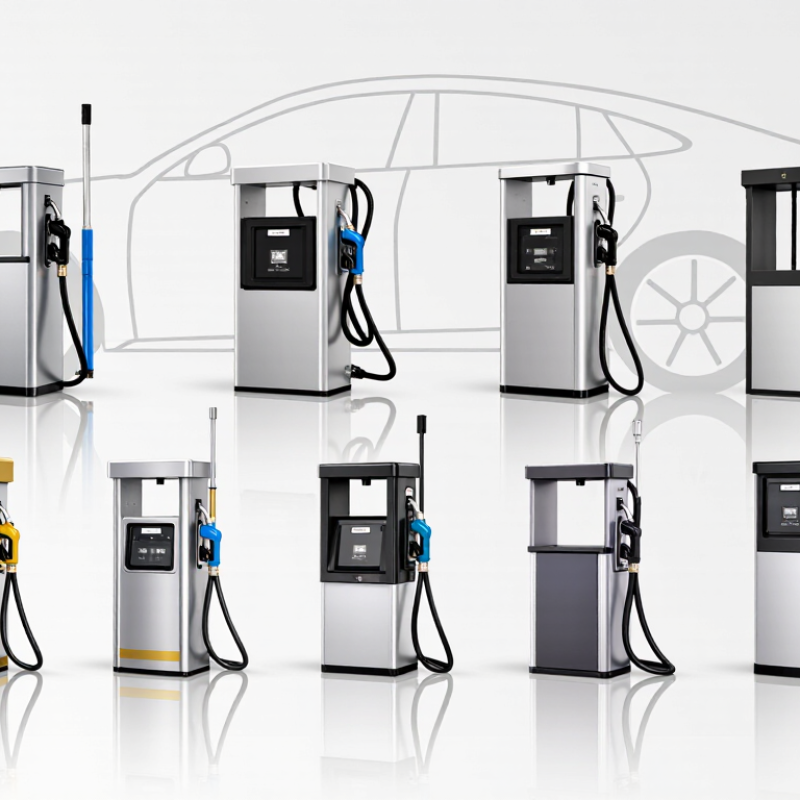
10 Best Fuel Pumps for Cars in 2026

Fuel-Pump Types and Pressures: Bosch GDI Systems Reach 350 bar

A fuel pump is not defined by pressure alone. Port-injection systems commonly deliver fuel at about 3–5 bar, while gasoline direct-injection systems use a low-pressure supply pump and a mechanically driven high-pressure pump. SAE International technical papers describe modern direct-injection rail pressures reaching roughly 350 bar, or 35 MPa. That is a serious difference. At the upper end, tiny leaks can become hazardous, so pressure ratings, seals, and fittings must match the engine specification.

The U.S. Environmental Protection Agency’s 2023 Automotive Trends Report shows direct injection in roughly six out of ten new U.S. light-duty vehicles in model year 2022. The figure explains why pump compatibility matters during replacement: the wrong pressure range can cause hard starting, weak acceleration, or fault codes. Check the service data for the exact engine, not just the vehicle model. Pressure varies by operating condition. A rail may not hold its peak figure at idle, and that detail is easy to overlook. Measure with the specified diagnostic procedure; a generic gauge may not be rated for high-pressure fuel systems.

How to Match Pump Flow, Pressure, Voltage, and Fitment to OEM Specs

Matching a fuel pump means matching its flow at the required pressure, not just its advertised maximum flow. Check the vehicle’s service data for operating pressure, minimum flow, and current draw. A pump that moves enough fuel at low pressure may fall short under load. One that draws excessive current can overheat wiring. Measure voltage at the pump connector, too; a weak supply can make a good pump look faulty.

Small detail. Big consequences.

Fitment includes more than the housing. Compare connector shape, outlet direction, strainer position, and seal dimensions against the original module. SAE J2044 covers fuel-system quick-connect requirements, while SAE J30 addresses fuel-hose performance; neither standard confirms a replacement pump’s vehicle-specific output. Use the OEM service procedure for pressure and flow tests, with the pump running at its specified voltage. Don’t rely on a catalog’s “direct fit” label alone.

In practice, I’d verify the module depth and electrical plug before ordering. It is easy to miss one.

One caveat: test conditions matter, and published flow figures may not match the car’s installed voltage or fuel pressure.

Compare 10 Fuel Pumps for 2026 by Flow Rate, Fitment, Warranty, and Use

A useful 2026 fuel-pump comparison looks beyond advertised flow rate. Match the pump’s pressure and delivery to the vehicle’s engine requirements, not just its peak flow figure. A higher rating is not automatically better. Check whether the specification applies at the required pressure, since flow can drop as pressure rises. For ten pumps, compare figures under similar conditions whenever possible; otherwise, the numbers may not tell a fair story.

Fitment matters just as much. Confirm the vehicle’s year, engine, fuel system, electrical connector, and mounting dimensions before choosing. A pump that nearly fits can still mean extra work or unreliable connections. Review each warranty’s coverage period and exclusions, including installation requirements. Then consider intended use: a standard replacement, a modified engine, and a vehicle used for frequent towing may need different capacities. A spec sheet can seem reassuring, but real-world compatibility is less tidy than a table suggests.

Tips: Keep the old pump’s connector and dimensions handy for comparison. Verify the recommended pressure, inspect the wiring, and replace a clogged filter when appropriate. If fitment details conflict, pause and confirm them before installation.

10 Best Fuel Pumps for Cars in 2026 — Compare by Flow Rate, Fitment, Warranty, and Use

This brand-free comparison covers common fuel-pump types and capacity classes, not specific product models. Flow figures are indicative advertised ranges; actual delivery depends on fuel pressure, voltage, fuel type, and pump design. Confirm the exact part’s specifications and warranty before purchase.

Rank Pump Type / Capacity Class Indicative Flow Rate Typical Fitment Warranty Best Use Key Check Before Buying
1 Direct-fit in-tank replacement Vehicle-specific; verify the rated flow for the exact application Original-style module or pump assembly in the factory tank Varies by exact part and seller; check written terms Stock vehicles needing an original-style replacement Connector, module design, pressure rating, and vehicle compatibility
2 Low-pressure carbureted pump Commonly advertised around 20–35 GPH (76–132 LPH); pressure is low by design Carbureted fuel systems; often mounted externally Varies by exact part and seller; check written terms Carbureted street cars and mild engine builds Required pressure, regulator needs, and fuel compatibility
3 Standard EFI replacement pump Application-specific; compare flow at the vehicle’s specified operating pressure Electronic fuel-injection systems, commonly installed in-tank Varies by exact part and seller; check written terms Factory-power gasoline vehicles and routine repairs Specified pressure, electrical connector, and module compatibility
4 High-flow in-tank pump, approximately 190–255 LPH class Often advertised in the 190–255 LPH range; delivery falls as pressure rises Compatible in-tank hanger or module; vehicle-specific installation may be needed Varies by exact part and seller; check written terms Mildly modified EFI engines and moderate power increases Flow at target pressure, wiring capacity, and tank-hanger fit
5 High-flow in-tank pump, approximately 300–340 LPH class Often advertised around 300–340 LPH under specified test conditions Modified in-tank systems with a compatible pump mount and wiring Varies by exact part and seller; check written terms Higher-output naturally aspirated or boosted EFI builds Flow at working pressure, fuel type, current draw, and heat management
6 High-capacity in-tank pump, 400+ LPH class Some units are advertised above 400 LPH; ratings are test-condition dependent Custom or upgraded tank assemblies with suitable wiring and plumbing Varies by exact part and seller; check written terms High-power builds where a single pump meets the calculated fuel demand Verified flow at operating pressure, electrical load, and fuel-system capacity
7 External inline EFI pump Model-dependent; compare the flow curve at the required pressure Inline installation between tank and engine, subject to inlet and mounting requirements Varies by exact part and seller; check written terms Custom systems, accessible service layouts, or supplemental fuel delivery Inlet restriction, noise, mounting position, and fuel-pressure rating
8 Diesel lift / feed pump Engine- and system-specific; gasoline-pump flow ratings are not interchangeable Diesel low-pressure supply circuit or vehicle-specific assembly Varies by exact part and seller; check written terms Replacing a diesel feed pump with the correct system-rated unit Diesel compatibility, pressure specification, filtration, and exact application
9 Flex-fuel-compatible pump Depends on the specific pump and fuel blend; confirm flow using the intended fuel Compatible EFI tank system configured for the vehicle and fuel blend Varies by exact part and seller; check written terms Vehicles calibrated for gasoline-ethanol blends within the pump’s stated limits Explicit fuel-blend approval, seals, wiring, and required flow margin
10 Dual in-tank pump setup Combined flow depends on pump models, controls, plumbing, and operating pressure Custom tank or multi-pump hanger with dedicated electrical control Each component has its own terms; check coverage for the complete setup High-demand builds requiring staged or parallel fuel delivery Pump staging, wiring relays, fuel return, tank baffling, and total system capacity

Selection note: A pump’s free-flow figure is not its delivered flow at operating pressure. Match the pump to the vehicle’s required pressure, fuel type, engine demand, electrical system, and physical fitment; use the exact manufacturer test data for final selection.

Reliability Checks: Verify SAE J30 Fuel-Hose Compatibility and Electrical Load

A fuel pump can fit the tank and still be a poor reliability choice if its hose or wiring is mismatched. Check the hose’s SAE J30 classification and whether it is approved for the pump’s actual location, including in-tank service where required. “Fuel compatible” is not specific enough. The U.S. EPA reports that E15 contains 10.5% to 15% ethanol by volume; confirm that every wetted hose and seal is suitable for the fuel used. SAE J30 is a useful specification reference, not proof that every hose suits every blend.

Electrical checks matter just as much. Measure pump current under operating conditions, then compare it with the vehicle’s service specifications. Also check voltage at the pump under load; a weak ground or corroded connector can cause excess voltage drop, heat, and unreliable delivery. A fuse rating alone does not verify compatibility. I would double-check the installation details, too—catalog listings can make the match seem simpler than it is.

Tips: Before installation, inspect hose markings and connector condition under good light. Record the pump’s current and voltage readings, then compare them with OEM service data. If the readings disagree, stop and investigate rather than assuming the pump is defective. Small wiring losses are easy to overlook. Sources: SAE J30 fuel-hose specification; U.S. EPA E15 fuel information.

Fuel-Pump Reliability Checks for 2026

Fuel-blend ethanol content is one compatibility screening point—not a pump reliability rating.

Bars show the stated upper ethanol content: E0 0%, E10 up to 10%, E15 up to 15%, and E85 up to 83% (seasonal U.S. range: 51–83%). These are fuel-blend figures, not test results for fuel pumps. Before choosing a pump, verify that its manufacturer approves the intended fuel, confirm the exact SAE J30 hose specification for that application, and compare measured electrical load with the vehicle and pump specifications.

Installation and Testing: Confirm Fuel Pressure Against Manufacturer Data

After installing a replacement fuel pump, check pressure with a suitable gauge and the vehicle’s service information. Do not rely on a universal figure; specifications vary by engine and fuel system. Relieve pressure as directed before opening a line, work in a well-ventilated area, and keep ignition sources away. Fuel can spray farther than expected. Wear eye protection and contain any spills safely.

Cycle the ignition to let the pump prime, then compare the reading with the manufacturer’s specified range. If the procedure calls for it, check pressure at idle and under load as well. Watch for leaks around connections, and confirm that pressure holds after shutdown when the service data requires that test. A single reading can mislead. Low pressure may point to a wiring, filter, or regulator problem, not just the pump. It is easy to rush this check. Recheck gauge connections and battery voltage before removing parts again; I would not treat an approximate result as proof of a successful installation.

Contact Us