

Choosing a Chemical Equipment supplier in China involves more than comparing prices or browsing product photos. Buyers need to assess whether a manufacturer can build equipment for their process, operating conditions, and production scale. A stainless-steel vessel may look suitable online, yet material specifications, weld quality, and surface finish matter just as much. Details matter.
This guide explores how to identify credible Chinese suppliers and compare their capabilities. It considers product range, engineering support, customization, quality-control practices, delivery planning, and after-sales service. Useful evidence can include clear technical drawings, traceable material records, inspection reports, and direct answers to practical questions. A responsive sales contact helps, but communication alone cannot prove manufacturing competence.
There is no single supplier that fits every project. Some companies focus on standard tanks and mixers; others offer more complex process systems. A lower quotation may leave out installation support, spare parts, or important documentation, so comparing scope is essential. Even a careful shortlist has limits. Supplier information can change, and published claims deserve verification. Where possible, request references, review relevant project experience, and confirm specifications before placing an order. The aim is not to declare one universal winner, but to help buyers make a better-informed choice.
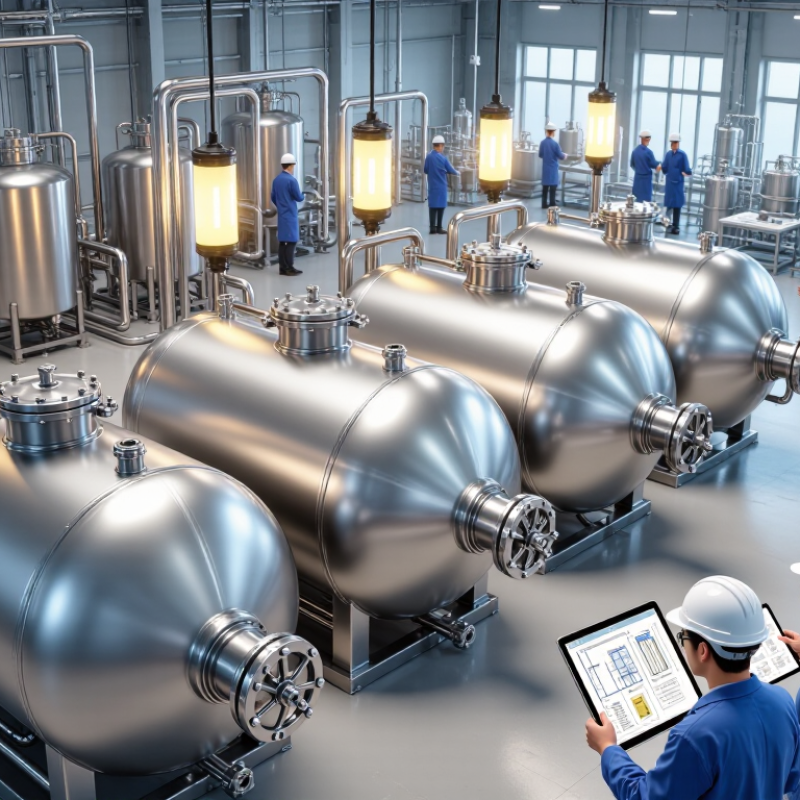
A chemical equipment supplier in China is more than a company that sells tanks, pumps, or reactors. A capable supplier can explain how equipment is designed, manufactured, inspected, and supported. It should ask about the process, operating temperature, pressure, materials, and cleaning needs before recommending a configuration. Specific questions matter. A supplier that discusses these details is better positioned to identify practical limits than one relying only on a catalog.
Reliable suppliers provide clear drawings, material specifications, inspection records, and operating instructions. Ask how welds, seals, and key components are checked, and whether test records can be linked to the delivered unit. A factory visit or live video inspection may help clarify production practices. After-sales support also matters: confirm who handles installation questions, spare parts, and troubleshooting. No checklist catches every issue. Even a detailed quotation may leave gaps, so review assumptions and exclusions carefully.
Tips: Request a sample inspection report and a drawing for the exact equipment model. Compare materials, tolerances, delivery scope, and service terms—not just price. If an answer is vague, ask for a concrete example. A polished catalog is not enough.
Chinese chemical equipment suppliers provide process vessels, storage tanks, heat exchangers, distillation columns, and filtration systems. Many also manufacture pumps, mixers, dryers, and material-handling equipment. Options range from individual machines to integrated process skids. A reactor may include an agitator, jacket, temperature sensors, and control panel. Materials and finishes vary, so confirm they suit the process, cleaning routine, and operating conditions.
Some suppliers focus on standard equipment, while others build to drawings or site-specific requirements. Glass-lined vessels, stainless-steel tanks, and corrosion-resistant components are common choices for different duties. Ask for drawings, material certificates, inspection records, and a clear list of included instruments. Check connection sizes and maintenance access too. Small mismatches can delay installation. I would not assume a detailed catalogue guarantees a good fit; verify technical details with the engineering team.
Tips: Share the fluid properties, capacity, temperature, pressure, and cleaning method before requesting a quote. Ask who performs testing, and clarify what documentation and spare parts come with delivery.
| Equipment Category | Typical Equipment | Primary Function | Common Construction Options | Key Selection Considerations |
|---|---|---|---|---|
| Reaction and Mixing | Batch reactors, stirred tanks, blending vessels | Mixing, heating, cooling, or carrying out chemical reactions in a controlled vessel. | Stainless steel, carbon steel, glass-lined steel, or other materials selected for process compatibility. | Process chemistry, working volume, operating pressure and temperature, agitation needs, and corrosion resistance. |
| Heat Transfer | Shell-and-tube, plate, and other process heat exchangers | Transfer heat between process fluids for heating, cooling, or heat recovery. | Metal alloys and exchanger configurations chosen according to fluid properties and service conditions. | Heat duty, flow rates, allowable pressure drop, fouling tendency, and material compatibility. |
| Separation and Filtration | Filter presses, cartridge filters, centrifuges, and separators | Remove solids from liquids or separate phases in process streams. | Metal housings, filter cloths, filter media, or other wetted components selected for the application. | Particle size, solids concentration, required product clarity, throughput, and cleaning method. |
| Distillation and Evaporation | Distillation columns, evaporators, condensers, and reboilers | Separate or concentrate mixtures using differences in volatility and heat transfer. | Process-compatible metals and, where appropriate, corrosion-resistant linings or components. | Mixture properties, separation targets, operating pressure, thermal sensitivity, and energy use. |
| Storage and Handling | Storage tanks, day tanks, hoppers, and transfer vessels | Store and manage liquid, solid, or intermediate process materials. | Carbon steel, stainless steel, lined steel, or suitable polymer materials, depending on the stored material. | Material compatibility, capacity, design pressure, temperature, ventilation, and applicable safety requirements. |
| Fluid Transfer | Centrifugal, diaphragm, gear, and metering pumps | Move, circulate, or accurately dose process fluids. | Wetted parts and seals selected to suit the fluid; configurations vary by pump type and duty. | Flow rate, head, viscosity, solids content, chemical compatibility, and dosing accuracy. |
| Gas Treatment and Conveying | Industrial fans, blowers, scrubbers, and gas-handling units | Move process gases or remove selected contaminants from gas streams. | Metal or corrosion-resistant construction selected for gas composition, moisture, and operating conditions. | Gas composition, flow, temperature, pressure drop, emissions targets, and corrosion risks. |
| Drying and Solids Processing | Tray, rotary, fluidized-bed, and vacuum dryers; mills and mixers | Dry, blend, or reduce the size of solid materials used in chemical processes. | Process-contact surfaces and liners selected for product compatibility and cleaning requirements. | Moisture target, particle characteristics, heat sensitivity, dust control, and batch or continuous operation. |
| Process Automation | Instrumentation, control panels, sensors, and process control systems | Monitor and regulate process variables such as temperature, pressure, flow, and level. | Components and enclosures selected for the operating environment and required control functions. | Control strategy, measurement range, integration needs, electrical requirements, and safety functions. |
What Are the Best Chemical Equipment Suppliers in China?
Which Industries Rely on China’s Chemical Equipment Suppliers?
Chemical equipment suppliers in China serve a wide range of industries. Chemical plants use reactors, storage tanks, heat exchangers, and pumps to manage production. Pharmaceutical facilities may need cleanable vessels and precise temperature controls. Food processors also rely on stainless steel tanks and mixing systems, where hygiene matters. Water treatment plants use filtration units, dosing equipment, and corrosion-resistant piping. Mining and energy operations need robust pumps and separators that can handle abrasive or hot materials.
These needs vary by site. A paper specification may look complete, but actual process conditions can reveal gaps. Check material compatibility, operating pressure, temperature limits, documentation, and maintenance access before choosing equipment. Ask how welds are inspected and whether spare parts are available. No supplier fits every plant; that sounds obvious, yet it is easy to overlook when delivery dates are tight.
Tips: Share process data early, including fluid properties and expected operating ranges. Request drawings and inspection records, then confirm critical dimensions with your engineering team. A small mismatch can cause installation delays. Allow time for technical review, and clarify who handles commissioning support.
Evaluating a chemical equipment supplier starts with evidence, not polished brochures. Ask for material certificates tied to actual heat numbers, welding procedure records, inspection reports, and pressure-test results for the equipment you plan to buy. Paperwork is not proof. Check that document identifiers match nameplates and drawings, and confirm who performed each inspection. For vessels or pumps, review the design conditions, wetted materials, surface finish, and operating limits against your process requirements. A technically neat quote can still hide a mismatch.
Reliability shows up in factory routines and communication. Request a factory audit, sample quality-control records, and a schedule showing inspection hold points. Ask how defects are documented, corrected, and prevented from recurring. That matters. Speak with recent customers about delivery accuracy, spare-part response, and whether manuals arrived in usable English. Compare promised lead times with production capacity and component sourcing; do not rely on a deadline alone. One successful reference cannot predict every order. Define specifications and acceptance criteria in writing, and consider independent inspection for critical checks.
Choosing a chemical equipment supplier in China starts with the process, not the catalogue. Define the material, operating temperature, pressure range, capacity, and cleaning requirements. Then ask whether the supplier has built comparable equipment. Request drawings, material specifications, inspection records, and references for similar projects. Details matter. A polished brochure is not proof of consistent production quality.
Tips: Check certificates with the issuing organization, and compare the name and address on each document with the supplier’s business details. Ask for a live video tour or arrange an independent factory audit. Review weld inspection methods, pressure-test records, delivery schedules, warranty terms, and spare-parts support. If possible, inspect a sample or a completed unit before placing a large order.
A suitable supplier should answer technical questions clearly and flag design limits instead of promising everything. Compare the same specifications across quotations; a lower price may exclude controls, testing, or installation support. Keep agreed drawings and acceptance criteria in writing, and document changes during production. One call cannot reveal every risk. Even careful buyers can miss small details, so use staged payments tied to verifiable milestones.
Contact Us
Pemamek Ltd