Top 10 Benefits of Using a Welding Manipulator for Projects
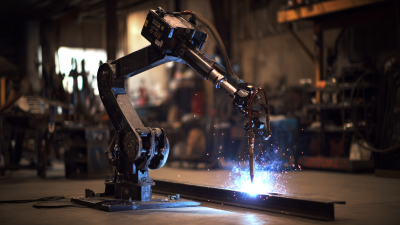
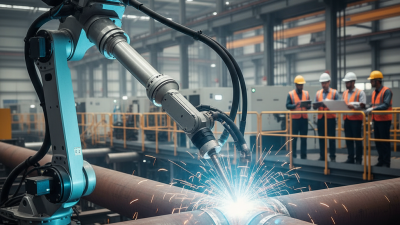
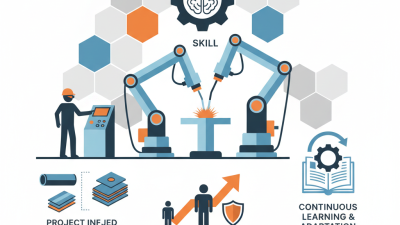
In the realm of metalworking, utilizing a welding manipulator has become a game changer. These advanced machines streamline welding processes, offering an impressive array of benefits for various projects. From precision to efficiency, a welding manipulator elevates the quality of work while reducing labor costs. It allows welders to focus on technique rather than awkward positioning.
Integrating a welding manipulator means increased safety on the job site. This equipment minimizes the risk of injuries caused by repetitive movements. Additionally, it ensures consistent weld quality, tackling the challenges posed by complex assemblies. Yet, it is essential to understand that not all tasks may benefit equally from this technology. Customization might be necessary to fit specific requirements.
Adopting a welding manipulator can require a significant upfront investment. However, many industries find that the long-term savings and enhancements outweigh these costs. For teams willing to adapt, the potential rewards are substantial. As manufacturing demands evolve, welding manipulators prove to be not just a trend, but a reliable tool for modern welding applications. Exploring these benefits can guide decision-making in tool selection for your upcoming projects.
Advantages of Welding Manipulators in Various Industries
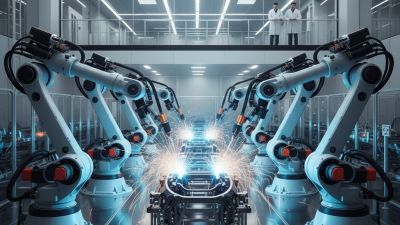
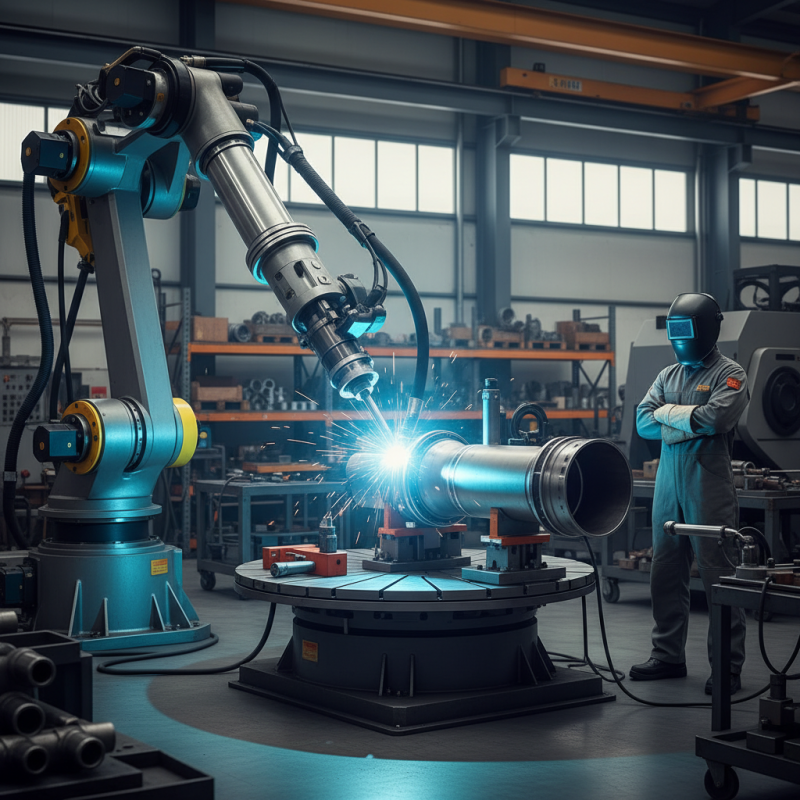
Welding manipulators have become essential in various industries, enhancing efficiency and safety. These devices allow for better control over the welding process. This results in higher quality welds and reduced waste. Many manufacturers have adopted manipulators to streamline operations, making projects more cost-effective. Different sectors benefit from this technology, including
shipbuilding,
construction, and
automotive.
In shipbuilding, manipulators adjust heavy components easily. This flexibility decreases the risk of accidents and improves worker conditions. In automotive production,
precision and
speed are vital. Manipulators provide consistent weld patterns, minimizing human error. However, some businesses may struggle to adapt to this technology.
Training workers to use these machines can take time.
Mechanization can sometimes lead to oversight regarding the importance of skilled welding techniques. While manipulators offer technological advantages, the human touch still matters. Each industry must find the right balance between
automation and skilled labor. Adapting to manipulative technology requires ongoing reflection on both strengths and weaknesses.
Enhanced Precision and Quality in Welding Processes
Welding manipulators significantly enhance precision and quality in welding processes. According to industry reports, projects utilizing manipulators see a 30% reduction in common welding defects. This is crucial, as defects can lead to costly reworks and safety issues. By maintaining consistent distance and angle, manipulators ensure a more uniform weld, leading to stronger joints.
The flexibility offered by manipulators also allows for complex geometries to be welded efficiently. A recent study highlighted that fabricators utilizing these tools reported a 25% increase in production speed. This speed does not come at the expense of quality. Manipulators provide an opportunity for welders to focus on technique rather than physical strain. This focus leads to greater attention to detail, directly impacting the end product.
However, there are challenges in implementing welding manipulators. Not every project may benefit equally. Some setups require significant adjustments, which can offset the time savings initially offered. Skilled training is essential to maximize efficiency and prevent mistakes. As the industry evolves, the balance between technology and human expertise remains paramount.
Improved Worker Safety and Ergonomics During Operations
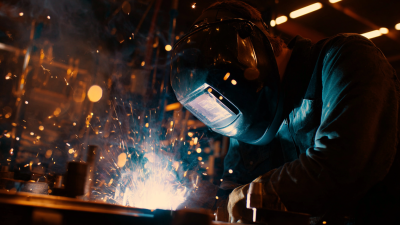
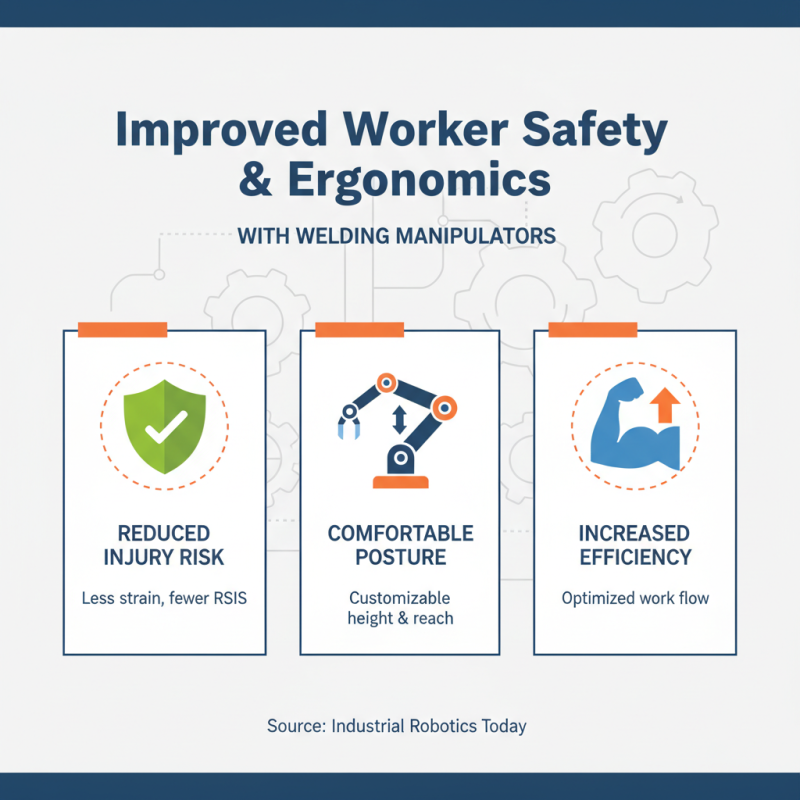
Using a welding manipulator can significantly enhance worker safety and ergonomics during operations. The design of these manipulators allows welders to maintain a comfortable posture, reducing the strain on their bodies. When operators can adjust the equipment to their specific height and reach, they can work more efficiently. This ergonomic advantage minimizes the risk of repetitive strain injuries, which are common in industrial settings.
Moreover, welding manipulators provide stability during welding tasks. This stability helps prevent accidents and errors. When a worker feels secure, they focus better on the task at hand. A well-designed manipulator ensures that the welding process is smooth and precise. However, it's essential to remember that improper setup or maintenance can negate these benefits. Regular training and checks are necessary for optimal safety.
Despite the advantages, some may find it challenging to adapt to new technology. Transitioning from traditional methods takes time. Workers might feel uncertain about using a manipulator initially. Continuous support and guidance can ease this transition. The benefits can be profound, but workers must be willing to embrace change for these enhancements to take effect.
Increased Efficiency and Productivity in Project Execution
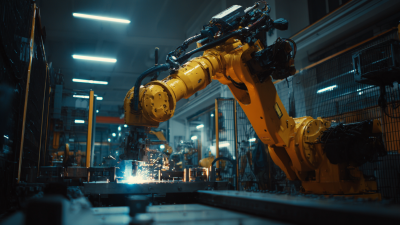
Welding manipulators have become essential tools in modern fabrication projects. They significantly enhance efficiency and productivity. According to the American Welding Society, projects that utilize these devices can see up to a 30% reduction in execution time. This is crucial in industries where deadlines are tight.
Manual welding processes can be cumbersome and time-consuming. Traditional methods often require multiple adjustments and repositioning of workpieces. By using manipulators, workers can maintain optimal positions for tack welding and final welds. A study from the International Institute of Welding indicated that proper alignment can raise productivity rates by as much as 20%. Factor in reduced operator fatigue, and the benefits become clear.
While the advantages are evident, some shortcomings warrant consideration. Not every project is suited for manipulators. The upfront costs can deter some businesses. Plus, training staff to use these tools effectively requires time and investment. As technology evolves, continual assessment of their efficiencies makes sense for long-term success in welding projects.
Top 10 Benefits of Using a Welding Manipulator for Projects
Versatility and Adaptability of Welding Manipulators for Different Applications
Welding manipulators exhibit remarkable versatility and adaptability across diverse applications.
These machines can adjust to various welding processes, whether for automotive, construction, or shipbuilding industries.
According to the American Welding Society, about 60% of welding projects benefit from different positioning techniques offered by manipulators.
This adaptability enhances productivity and quality, reducing rework rates by up to 20%.
In addition to flexibility, welding manipulators can be customized to fit specific project needs. Adjustments in size, control systems, and mobility options cater to unique industrial environment challenges.
A report from the International Institute of Welding highlights that manufacturers integrating customized solutions see a 15% improvement in cycle times.
However, the initial setup can be complex. Without proper training or experience, there may be a learning curve, which can slow down initial project timelines.
Despite these challenges, the advantages outweigh potential setbacks. With skilled operators, these devices excel in repetitive tasks and can significantly minimize worker fatigue.
This adaptability allows industries to shift quickly based on market demands and technological advancements, ensuring they remain competitive in an ever-changing landscape.