

Top Automatic Glass Cutting Machines for Global Buyers

Selecting the right Automatic Glass Cutting Machines can shape production speed, material yield, and workplace consistency. Global buyers now compare more than cutting accuracy. They examine software compatibility, table size, servicing, energy use, and operator safety. A machine may cut quickly, yet perform poorly with coated glass or irregular job orders. That distinction matters on a busy factory floor.

Industry data shows why this equipment deserves careful evaluation. The United Nations Environment Programme reported that buildings consumed about 30% of global final energy in 2022. It also linked buildings and construction to roughly 26% of energy-related emissions. Efficient glazing production can support broader resource-saving goals, although cutting machines alone cannot solve the industry’s environmental challenges. The International Energy Agency also identifies building efficiency as a major route toward lower energy demand. These findings place glass processing within a wider manufacturing responsibility.

This guide compares leading machine types for international purchasing teams. It considers cutting precision, loading systems, optimization software, maintenance access, and after-sales support. Real production details matter. Think of a six-meter table, thin Low-E glass, barcode labels, and constant shifts. The best system should handle those demands without excessive waste or complicated training. No ranking is perfect. Supplier claims may also differ from factory results. Buyers should request test cuts, verified tolerances, reference installations, and documented service terms. Reports from Grand View Research and MarketsandMarkets indicate continued growth across flat glass and glass-processing equipment markets, but market forecasts remain estimates. Practical verification is still essential.
Top Automatic Glass Cutting Machines for Global Buyers

What Are Automatic Glass Cutting Machines?

Top Automatic Glass Cutting Machines for Global Buyers

What Are Automatic Glass Cutting Machines?

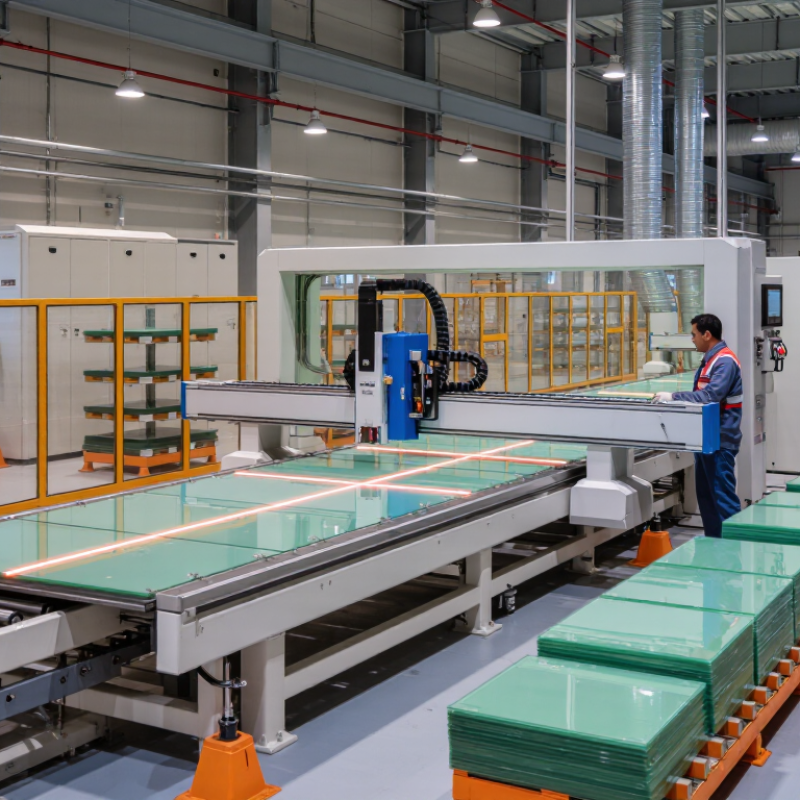
Automatic glass cutting machines are CNC-controlled systems that measure, score, and separate flat glass with limited manual handling. A typical line includes a loading table, positioning sensors, cutting head, conveyor, and software for optimizing sheet layouts. The cutter follows digital dimensions, while pressure control helps create a consistent score line.

This matters because small errors become expensive across large sheets. A 2024 Grand View Research report valued the global flat glass market at more than USD 110 billion, with construction as a major application. Demand for precise processing is therefore increasing. The International Energy Agency also reports that buildings account for roughly 30% of global energy demand, strengthening interest in energy-efficient glazing and accurate low-emissivity glass processing.

Operators usually enter pane sizes, thickness, edge allowances, and required quantities. The software then reduces offcuts and guides the cutting sequence. Sensors can detect sheet position and surface problems before scoring. Not every automated line performs perfectly. Dust, vibration, poor calibration, or warped glass can still cause chips and failed cuts. That assumption is risky.

From practical production experience, buyers should examine cutting tolerance, maximum sheet size, glass thickness range, software compatibility, safety guarding, and service response. A fast machine with weak optimization may waste more glass than it saves. The best choice depends on workload, workforce skills, and the factory’s existing handling equipment.

How Automatic Glass Cutting Machines Work

Automatic glass cutting machines turn digital measurements into controlled cuts. An operator loads a clean sheet onto a flat, air-cushioned table. Sensors check its position, thickness, and visible edge defects. Software compares the cutting plan with the sheet size. It nests shapes closely to reduce material waste. This matters when processing costly low-iron or laminated glass. Still, a perfect plan cannot correct a dirty sensor or inaccurate measurement.

After positioning, motorized heads move along programmed axes. A tiny wheel scores the surface with steady pressure and speed. The score creates a precise fracture line, rather than cutting through the entire sheet. Some systems use automatic breakout tools after scoring. These tools apply measured force along the line and separate the pieces. Operators should watch the first sheet closely. Glass thickness, temperature, and coating can change the required settings.

The separated panels move toward an inspection or transfer area. Cameras may detect chips, incomplete scores, and incorrect dimensions. Air tables and vacuum lifters help prevent scratches during movement. Calibration deserves attention during daily production. A machine may appear accurate while producing small edge deviations. We have found that simple checks, such as measuring sample diagonals, reveal problems early. Automation reduces repetitive labor, but it does not replace judgment. That lesson is easy to overlook.

Top Automatic Glass Cutting Machines for Global Buyers - How Automatic Glass Cutting Machines Work

Machine Configuration Typical Maximum Glass Size Typical Glass Thickness Cutting Accuracy Maximum Cutting Speed Typical Applications Best Fit for Global Buyers
Compact Automatic Table 3,300 × 2,440 mm 3–12 mm Approximately ±0.2 mm Up to 80 m/min Small architectural glass, mirrors, furniture glass, and interior projects Workshops with limited floor space and moderate production volumes
Standard CNC Cutting Table 3,660 × 2,440 mm 3–19 mm Approximately ±0.2 mm Up to 100 m/min Windows, doors, partitions, shower enclosures, and general fabrication General-purpose processors seeking a balance of capacity and cost
Large-Format CNC Cutting Table 3,660 × 6,100 mm 3–19 mm Approximately ±0.2 mm Up to 120 m/min Large façades, commercial glazing, laminated glass preparation, and high-volume work Factories processing standard jumbo sheets and requiring higher throughput
Laminated Glass Cutting Line 3,300 × 6,100 mm 3–13.52 mm laminated build-up Approximately ±0.3 mm Up to 60 m/min Windshields, safety glazing, balustrades, skylights, and security panels Processors needing cutting, edge heating, and separation for laminated products
Low-E Glass Cutting System 3,660 × 6,100 mm 3–12 mm coated glass Approximately ±0.2 mm Up to 100 m/min Energy-efficient windows and insulated-glass production Window manufacturers working with soft-coated or hard-coated glass
Automatic Cutting and Breaking Line 3,660 × 6,100 mm 3–19 mm Approximately ±0.2 mm Up to 120 m/min High-volume rectangular and shaped glass production Large plants prioritizing reduced manual handling and consistent cycle times

How Automatic Glass Cutting Machines Work

Process Stage What Happens Main Equipment or Control Production Benefit
Loading and Positioning A loading arm, vacuum lifter, or tilting table places the glass sheet on the cutting table. Vacuum cups, air flotation, alignment stops, and sensors Reduces manual handling and improves sheet alignment.
Pattern Optimization Software arranges required shapes on the sheet to reduce offcuts and calculate cutting paths. CAD/CAM software, nesting algorithms, and barcode or job-file input Improves material utilization and supports repeatable production.
Scoring A carbide or hardened cutting wheel creates a controlled score along the programmed path without cutting completely through the sheet. Motorized cutting head, pressure control, and linear motion system Produces consistent score depth and dimensional accuracy.
Breaking Mechanical bars, pneumatic devices, or controlled table movement apply force along the score line to separate the pieces. Breaking beam, pneumatic actuators, and programmable pressure settings Decreases chipping and lowers the need for manual separation.
Sorting and Unloading Cut pieces are identified, sorted, and transferred to racks or the next processing station. Vacuum unloading system, conveyors, labels, and production tracking Supports traceability, safer handling, and continuous workflow.

Note: Capacity, speed, accuracy, thickness range, and automation level are typical industry ranges. Actual performance depends on glass type, sheet dimensions, cutting pattern, machine configuration, software settings, and operating conditions.

Key Features to Compare Before Buying

When comparing automatic glass cutting machines, start with accuracy, not advertised speed. A reliable table should maintain consistent cuts across large sheets, while optical scanning detects edges, coatings, and visible defects. Ask for measured tolerance data, not only “high precision” claims. A practical test uses your own glass, including low-E coatings and different thicknesses. Check whether the software imports common CAD files and optimizes nesting to reduce offcuts.

Throughput matters, but uncontrolled speed creates chipped edges and costly breakage. Examine acceleration settings, vacuum stability, blade or wheel pressure, and automatic thickness adjustment. The United Nations Environment Programme’s 2023 Global Status Report says buildings consume about 30% of global final energy. Better cutting accuracy can support efficient glazing production, although the machine itself still needs responsible energy management. Review standby consumption, motor efficiency, and compressed-air requirements.

Safety and service deserve equal attention. Look for guarded moving parts, emergency stops, fault logs, and compliance with ISO 12100 risk-reduction principles. Remote diagnostics can shorten downtime, but only when operators receive useful training. Request documented cycle tests, spare-parts availability, and maintenance intervals. A larger table is not automatically better. It may waste floor space and complicate loading. I would also question unusually optimistic productivity figures; real output falls when operators change sizes, remove remnants, or correct software errors. The International Energy Agency’s Buildings 2023 report links efficient building envelopes with lower operational energy demand, making dependable glass processing more than a production concern.

Top Machine Types for Global Buyers

Top Automatic Glass Cutting Machines for Global Buyers

Automatic glass cutting machines differ by workload, glass type, and factory layout. Straight-line cutting tables suit standard rectangular panes and repeated orders. They offer stable positioning, clean scoring, and simple operator training. CNC shape-cutting tables handle circles, arches, and irregular designs. They are useful for architectural glass, furniture panels, and custom projects. Laminated glass cutting systems add film separation and require more careful process control. Some buyers choose the fastest table, then discover that their floor space and workflow cannot support it.

Tips: Measure your daily sheet volume, maximum glass size, and available loading area. Check voltage, software language, spare-part access, and operator training before ordering. Request cutting samples using your actual glass thickness. A sharp score line may still fail if the breakout process is poorly adjusted.

For high-volume plants, integrated loading, cutting, and breakout lines reduce manual handling. They can improve consistency and lower the risk of edge damage. However, automation does not remove every production problem. Dust, uneven glass, worn tools, and incorrect settings still affect results. Buyers should review cutting accuracy, table stiffness, safety sensors, and maintenance procedures. A reliable supplier should provide clear technical data, installation guidance, and measurable acceptance standards. The best machine is not always the most advanced one. It is the one that matches the factory’s real materials and working habits.

How to Choose the Right Glass Cutting Machine

Top Automatic Glass Cutting Machines for Global Buyers

Choosing the right glass cutting machine starts with the material, not the brochure. Confirm glass thickness, maximum sheet size, coating type, and daily workload. A machine for 3 mm architectural glass may struggle with laminated panels or low-emissivity coatings. According to Grand View Research’s 2024 glass manufacturing analysis, the sector is expected to expand steadily through 2030. That growth makes reliable automation valuable, but higher speed is not always better. Cutting quality comes first.

Ask for measured accuracy, not attractive claims. Check positioning tolerance, bridge rigidity, blade pressure control, and edge-breakage rates. Request test cuts using your own glass. A clean 2,000 mm cut means little if small fragments appear near the corners. Software should import common CAD files, optimize nesting, and record production data. Integration with loading tables and sorting systems can reduce handling injuries and wasted motion. It also needs clear alarms and simple operator training.

Energy use deserves attention. The International Energy Agency reports that buildings consume roughly 30% of global final energy, increasing pressure for efficient glass products and processing. Compare standby power, compressed-air demand, maintenance intervals, and spare-part availability in your region. Confirm electrical standards, safety guarding, documentation, and after-sales response before purchasing. I once focused too heavily on cutting speed; that was a poor assumption. A slower machine with stable accuracy may produce more saleable glass each shift. The overlooked question is maintenance. Who can repair it locally?

Contact Us